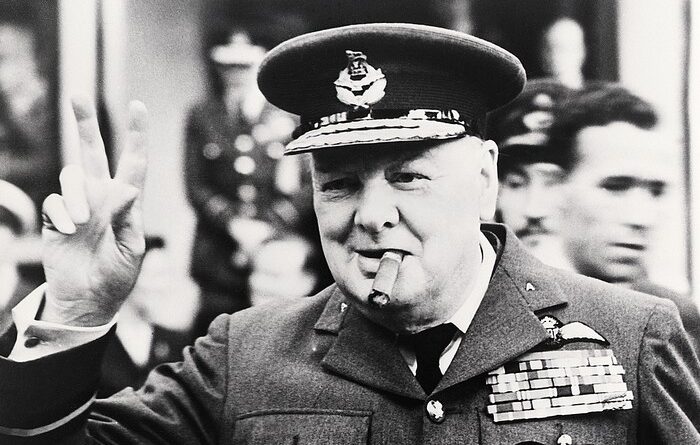
The Impact of Winston Churchill on World war II
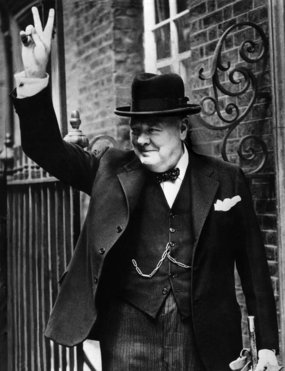
Winston Churchill’s impact on World War II was profound, shaping the course of the conflict through his leadership, oratory, and strategic decisions as Britain’s Prime Minister from May 1940 until the war’s end in 1945. Below is a comprehensive overview of his influence, balancing his contributions with critical perspectives.
1.Rallying British Morale and Resistance:
Churchill’s speeches, such as “We Shall Fight on the Beaches” (June 4, 1940) and “Their Finest Hour” (June 18, 1940), galvanized British resolve during the darkest days of the war, particularly during the Battle of Britain and the Blitz. His defiant rhetoric inspired not only Britain but also occupied nations and allies.
This resolve kept Britain in the war, maintaining a critical Western front against Hitler.
2.Strategic Leadership:
Churchill prioritized the defense of Britain during the Battle of Britain (July–October 1940), supporting the Royal Air Force’s efforts to repel the Luftwaffe. His backing of Air Chief Marshal Hugh Dowding and the RAF’s strategic use of radar were pivotal in preventing a German invasion.
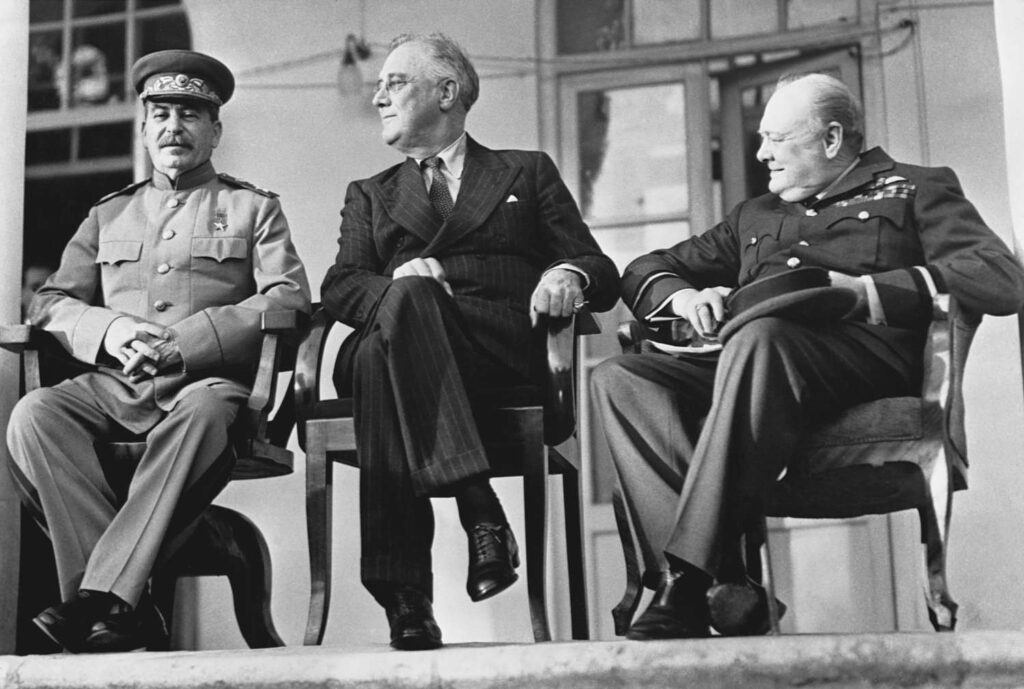
Churchill played a key role in coordinating with Allies, particularly through his close relationship with U.S. President Franklin D. Roosevelt. The Atlantic Charter (August 1941) solidified Anglo-American cooperation and outlined shared war aims, strengthening the Allied coalition.
3.Global Diplomacy:
Churchill’s wartime conferences with Roosevelt and Soviet leader Joseph Stalin (e.g., Tehran in 1943, Yalta in 1945) shaped the Allied strategy and post-war planning. He advocated for operations like the invasion of Italy (1943) to weaken Germany’s southern flank, though some of his strategies, like the “soft underbelly” approach, were debated for their effectiveness.
4.Symbol of Defiance:
- Churchill became a global symbol of resistance against tyranny. His public appearances, such as visiting bombed-out cities, boosted civilian morale. His “V for Victory” sign and bulldog persona resonated widely, projecting strength and unity.
Critical Perspectives
1.Strategic Missteps:
Some of Churchill’s decisions were controversial. The Norway campaign (1940), which he strongly supported as First Lord of the Admiralty, was a failure, contributing to the fall of Neville Chamberlain’s government.
The bombing of German cities, particularly Dresden in 1945, endorsed by Churchill, raised ethical questions about civilian casualties, though it aimed to weaken German morale and infrastructure.
2.Imperial Priorities:
Churchill’s focus on preserving the British Empire sometimes clashed with wartime needs. His reluctance to grant India greater autonomy, despite its significant contributions to the war effort, fueled tensions and the independence movement, complicating Britain’s global position.
3.Strained Allied Relations:
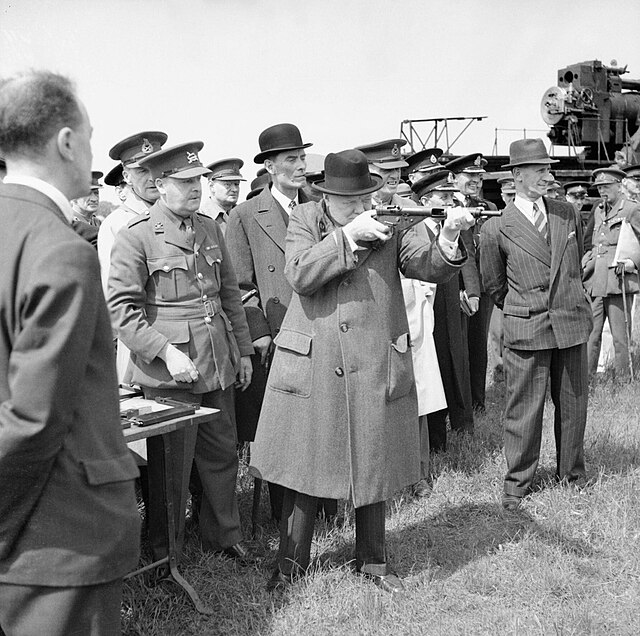
Churchill’s relationship with Stalin was fraught, as he distrusted Soviet intentions but recognized the necessity of their alliance. His insistence on limiting Soviet influence in post-war Europe, particularly at Yalta, had mixed success and sowed seeds for the Cold War. Some American leaders viewed Churchill’s imperial focus as outdated, creating occasional friction despite his strong partnership with Roosevelt.
Broader Impact
Moral Leadership: Churchill framed the war as a moral struggle against Nazi tyranny, shaping public perception and Allied unity. His speeches reached global audiences via radio, reinforcing the ideological stakes. Post-War Legacy: Churchill’s vision for the post-war world, including his early warnings about the Soviet “Iron Curtain” (1946), influenced the geopolitical landscape, though these were post-WWII developments.. Britain’s economy was nearly bankrupt by 1945, and the war effort strained society. Churchill’s focus on victory sometimes overshadowed domestic concerns, contributing to his electoral defeat in 1945.
Quantitative Context
Battle of Britain: The RAF’s success, with approximately 1,963 aircraft lost compared to 2,550 German aircraft, preserved Britain’s ability to fight. Lend-Lease: By 1945, Britain received over $31 billion (roughly $450 billion in 2025 dollars) in aid, critical for sustaining the war effort..
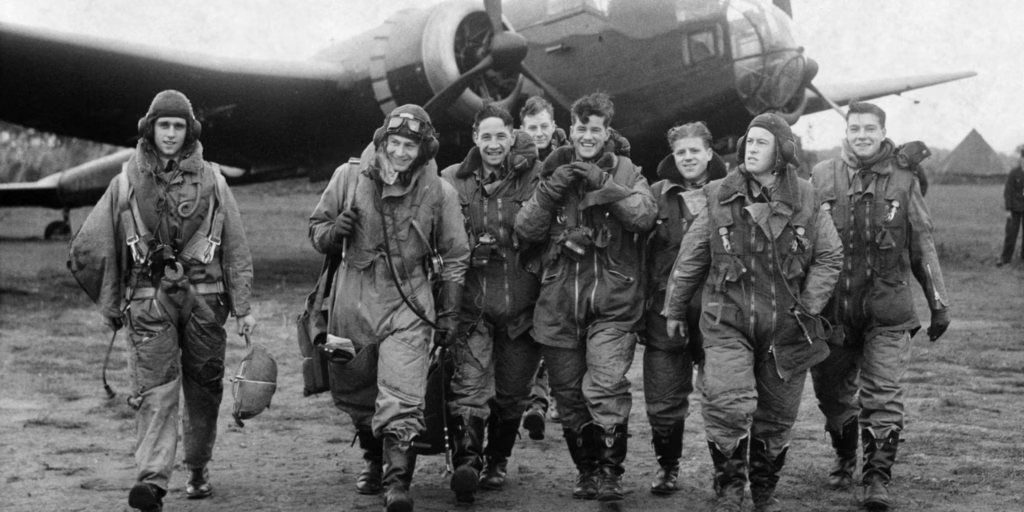
Troop Contributions: Under Churchill’s leadership, Britain and its Commonwealth mobilized over 5 million troops, playing a major role in multiple theaters.
Churchill’s impact on World War II was monumental but not without flaws. His unwavering resolve, inspirational leadership, and diplomatic efforts were critical in keeping Britain and the Allies united against Nazi Germany. However, his strategic choices and imperial priorities sparked debate, and some decisions had costly consequences. His legacy as a wartime leader remains one of resilience and determination, shaping not only the war’s outcome but also the 20th-century global order. For further reading, sources like Churchill: Walking with Destiny by Andrew Roberts or primary documents from the Churchill Archives provide detailed insights. If you’d like a chart visualizing key WWII events under Churchill’s leadership or an analysis of specific decisions.
Pingback: The History of the United Nations - Fact Hub
Pingback: 7 Most Expensive Cars in the World (2025) - Fact Hub
Pingback: Dark historical events - Fact Hub
Thanks for sharing. I read many of your blog posts, cool, your blog is very good.