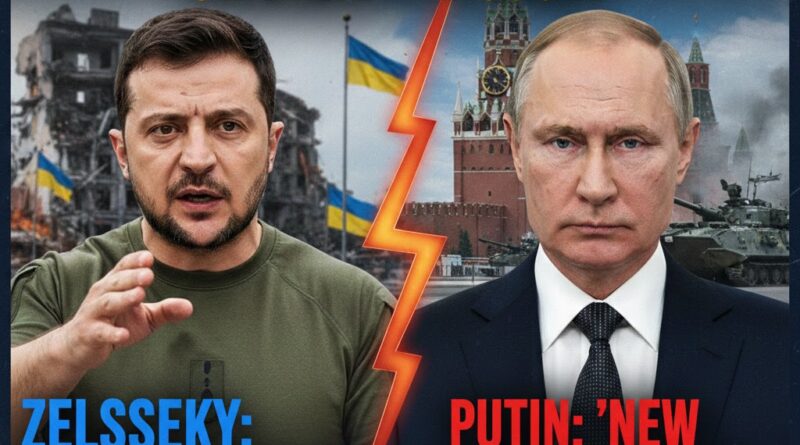
Zelensky vs Putin: The War That Changed Global Politics
The conflict between Vladimir Zelensky and Vladimir Putin is more than just a regional war—it is a turning point in modern global politics.
What began as a territorial dispute has evolved into a powerful clash of leadership, ideology, and influence. As Ukraine resists Russian aggression under Zelensky’s leadership, Putin’s ambitions continue to reshape international alliances and security strategies.
This ongoing war has impacted energy markets, global economies, and diplomatic relations worldwide.
Understanding the roots, motives, and consequences of the Zelensky-Putin conflict is essential to grasp where the world is heading next and why this war matters to everyone.
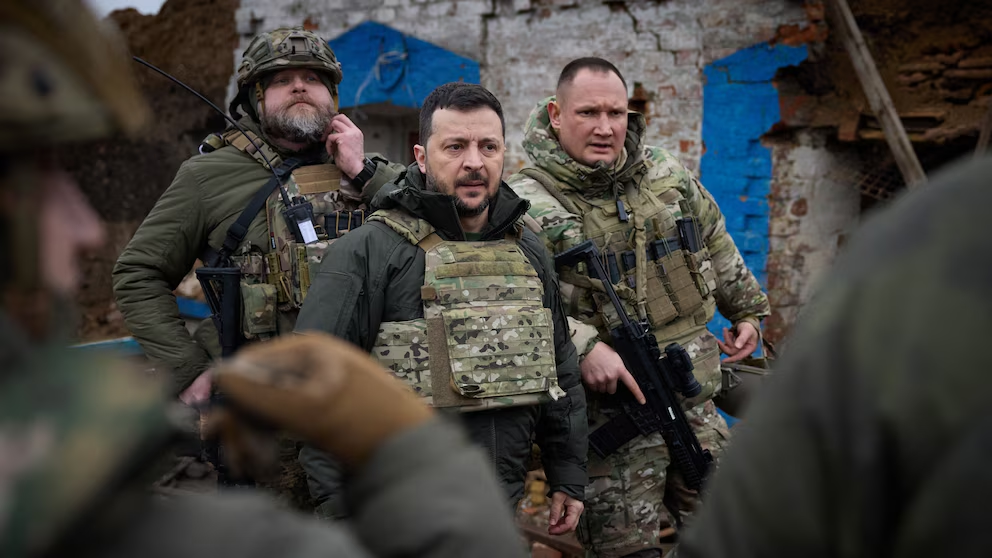
A Brief History of Tensions Between Zelenskyy and Putin
The conflicts between Ukrainian President Volodymyr Zelenskyy and Russian President Vladimir Putin are central to the ongoing Russo-Ukrainian War, which began in 2014 and escalated into a full-scale invasion in 2022.
This war stems from deep historical, geopolitical, and ideological tensions between Russia and Ukraine, including Russia’s opposition to Ukraine’s pro-Western orientation, NATO expansion, and claims over Ukrainian territory.
Putin has framed the conflict as a defensive “special military operation” to “demilitarize and denazify” Ukraine, protect Russian-speaking populations, and prevent NATO encroachment, often invoking historical narratives of Russians and Ukrainians as “one people.”
Zelenskyy, a former comedian elected in 2019 on a platform of peace and anti-corruption, has positioned Ukraine’s resistance as a fight for sovereignty, democracy, and European integration, rejecting Russian demands and accusing Russia of unprovoked aggression and war crimes.
The war has caused massive casualties (over 500,000 combined by late 2025), displaced millions, and drawn in international actors, with the West providing aid to Ukraine while Russia has allied with North Korea and Iran.
As of January 2026, the conflict remains in a phase of attrition, with Russia making gradual territorial gains but facing economic strains, while peace talks involving the U.S.
under President Trump have stalled over territorial concessions and security guarantees.
Ukraine Russia relations history
Armed conflict in eastern Ukraine erupted in early 2014 following Russia’s annexation of Crimea.
The previous year, protests in Ukraine’s capital, Kyiv, against Ukrainian President Viktor Yanukovych’s
rejection of a deal for greater economic integration with the European Union (EU) were met with a violent
crackdown by state security forces. Subsequently, the protests escalated, and President Yanukovych fled the
country in February 2014.
One month later, in March 2014, Russian special forces took control of the Ukrainian peninsula of Crimea.
Russian President Vladimir Putin cited the need to protect the rights of Russian citizens and Russian
speakers in Crimea and southeast Ukraine. Russia then formally annexed the peninsula after Crimeans
voted to join the Russian Federation in a disputed local referendum. The crisis heightened ethnic divisions,
and two months later, pro-Russian separatists in the eastern Ukrainian regions of Donetsk and Luhansk held independence referendums.
Zelensky vs Putin war Backgroung
Armed conflict in the regions quickly broke out between Russian-backed forces and the Ukrainian military.
Though Russia denied military involvement, both Ukraine and the North Atlantic Treaty Organization
(NATO) reported Russian troops and military equipment near Donetsk and Russian cross-border shelling
The conflict transitioned to an active stalemate, with regular shelling and skirmishes occurring along the frontlines.
In October 2021, months of intelligence gathering of Russian troop movements, force build-up, and military
contingency financing culminated in a White House briefing with U.S. intelligence, military, and diplomatic
leaders on a near-certain mass-scale Russian invasion of Ukraine. Leading up to the invasion, the Joe Biden
administration reduced information-sharing constraints and allowed for the broader dissemination of
intelligence and findings, both with allies—including Ukraine—and publicly. Commercial satellite imagery,
social media posts, and published intelligence from November and December 2021 showed armor, missiles,
and other heavy weaponry moving toward Ukraine with no official explanation from the Kremlin. In mid-
December 2021, Russia’s foreign ministry called on the United States and NATO to cease military activity in
Eastern Europe and Central Asia, commit to no further NATO expansion toward Russia, and prevent Ukraine
from joining NATO in the future. The United States and NATO rejected these demands and threatened to
impose severe economic sanctions on Russia.
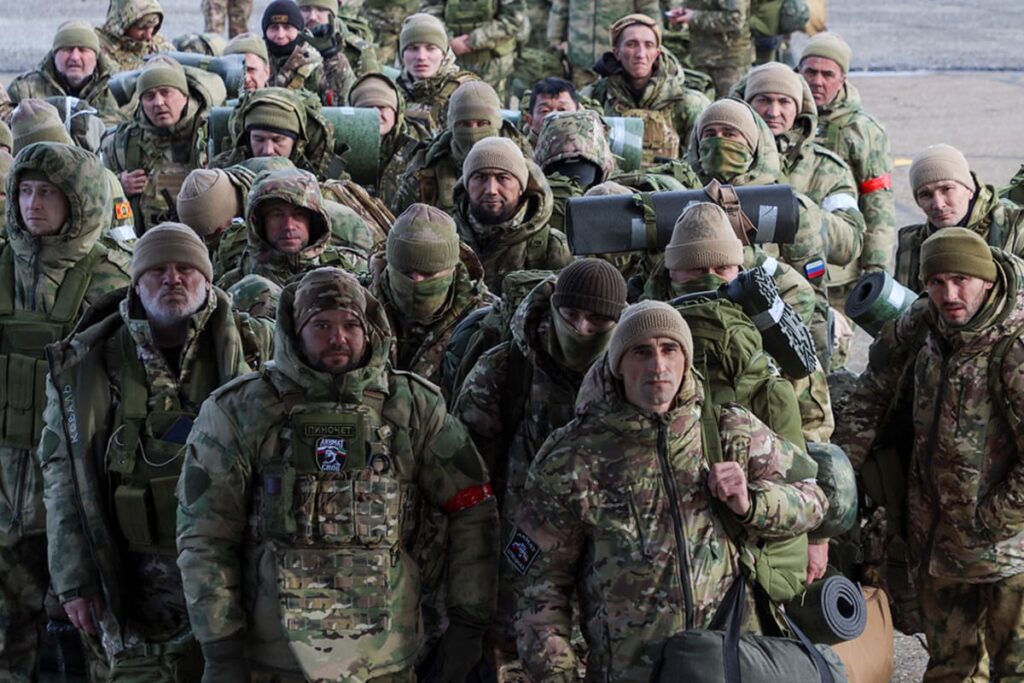
How the Zelensky–Putin War Reshaped the Global Power Balance
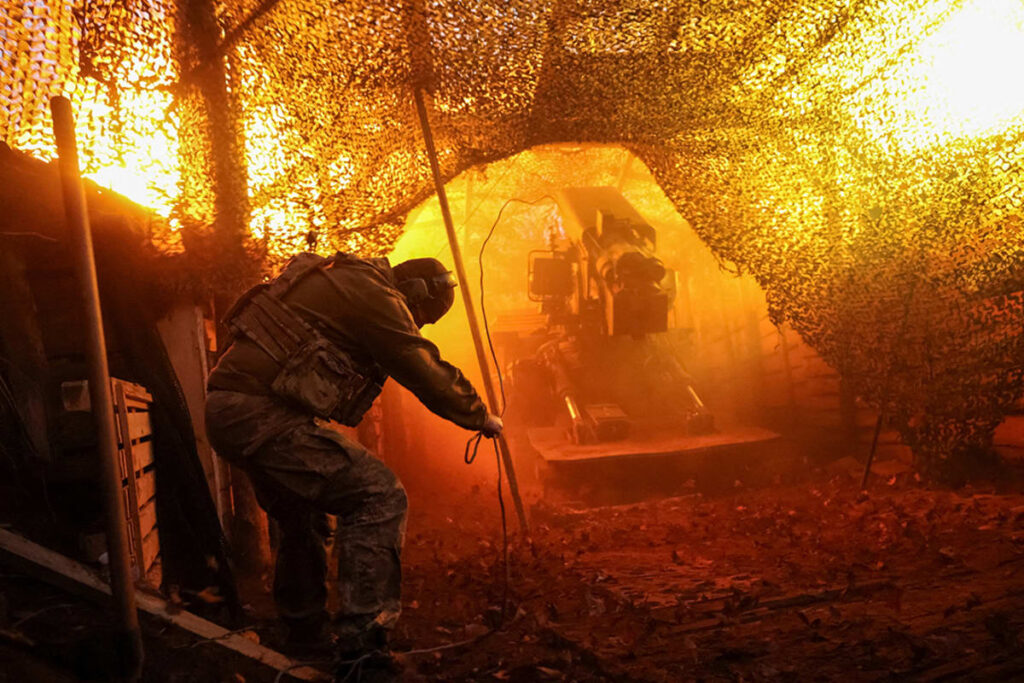
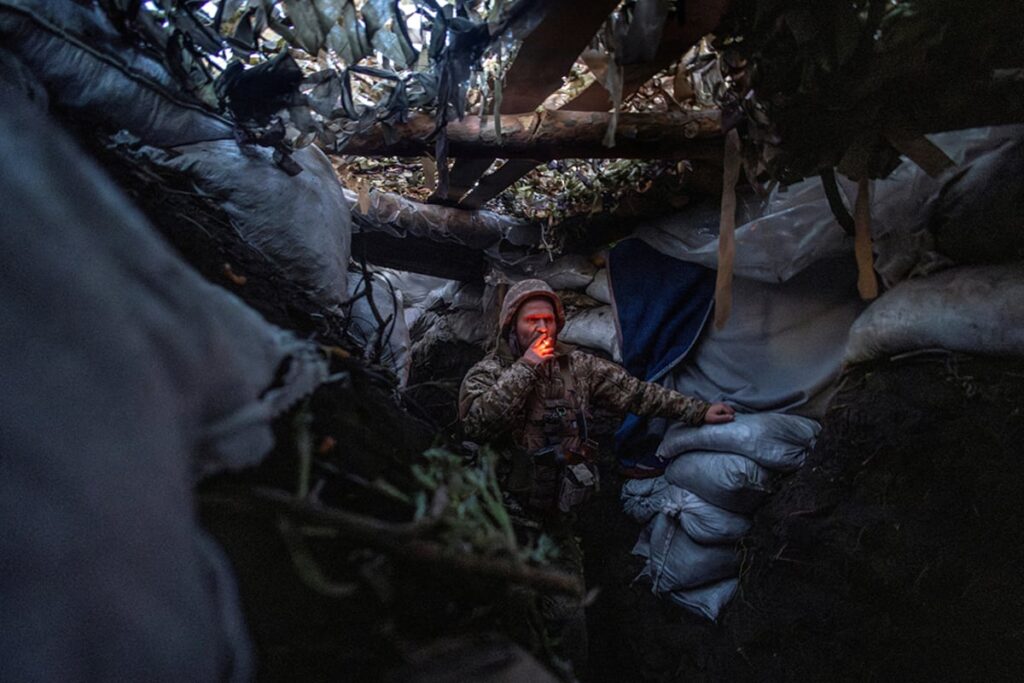
The full-scale Russian invasion of Ukraine, launched by Vladimir Putin on February 24, 2022, and ongoing into its fourth year, has become one of the most consequential conflicts of the 21st century.
Far beyond a regional war, it has accelerated the transition from a post-Cold War U.S.-led unipolar order toward a more multipolar world, exposed vulnerabilities in Western institutions, strengthened revisionist alliances, and fundamentally altered energy, military, and diplomatic dynamics.
Revitalization and Expansion of NATO — But With Limits
NATO gained new members (Finland and Sweden in 2023–2024), dramatically strengthening its northern flank.
Defense spending surged across Europe (many countries now meet or exceed the 2% GDP target).
The alliance shifted from post-1990s complacency to treating Russia as an existential threat.
What is Weakenss of Russia
Russia suffered enormous military and economic costs (hundreds of thousands of casualties, loss of elite units), yet it adapted through wartime economy, North Korean troop/artillery support (briefly), and redirected energy exports.
Moscow’s global standing declined sharply in the West but increased in parts of the Global South and among anti-Western states.
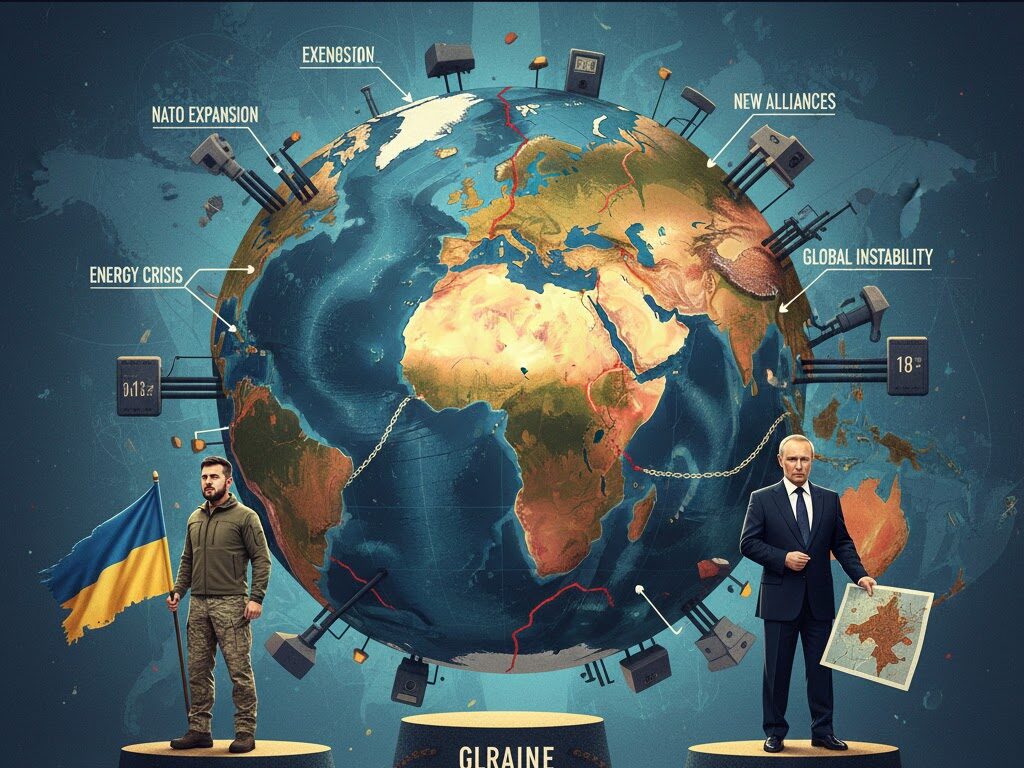
Russia–Ukraine War Explained
(Simple, clear overview as of January 8, 2026 – Day 1,414 of the full-scale invasion)
The Russia–Ukraine War (also called the Russo-Ukrainian War) is the largest and deadliest conflict in Europe since World War II.
It began in 2014 but exploded into a full-scale invasion on February 24, 2022, when Russian President Vladimir Putin ordered troops to attack Ukraine from multiple directions.
Why did Russia invade Ukraine?
Prevent Ukraine from joining NATO (Russia sees NATO expansion as a direct security threat)
Protect Russian-speaking people in eastern Ukraine (claims of “genocide” — widely rejected internationally)
“Denazify” and “demilitarize” Ukraine (accusations of neo-Nazism — largely viewed as propaganda)
Historical belief that Ukraine is not a real separate nation but part of “historic Russia”
Russia launched an unprovoked war of aggression to destroy Ukrainian independence
Zelensky’s Leadership vs Putin’s Strategy
(Comparison in the Russia–Ukraine War as of January 8, 2026 – Day 1,414)
The ongoing Russo-Ukrainian War highlights a stark contrast between Volodymyr Zelenskyy‘s adaptive, values-driven, public-facing leadership and Vladimir Putin‘s centralized, attrition-based, long-game strategy.
Zelenskyy has evolved from an unlikely wartime president into a symbol of resilient defiance, while Putin pursues a patient, high-cost strategy of grinding territorial gains and wearing down Ukraine’s will and resources.
Zelenskyy’s Leadership
Inspirational & Moral Leadership
Early viral videos (“I need ammo, not a ride”) rallied Ukrainians and secured billions in Western aid.
Adaptability
Frequent leadership resets (e.g., replacing commanders, Jan 2026 appointment of military intelligence chief Kyrylo Budanov as top aide) to focus on security, defense industry, and peace talks.
Diplomatic Agility
Actively shaping international narrative; recent Paris talks (Jan 2026) yielded “concrete results” on multilayered security guarantees (U.S. backing “Article 5-like” pledges, European military support options).
Resilience
Vows Ukraine will fight on if talks fail; preparing revised peace plans that reject land concessions without ironclad protection.
Ukraine–Russia War: Economic Collapse
The Russia-Ukraine war, initiated by Russia’s full-scale invasion in February 2022, has profoundly reshaped the economic landscapes of both countries under the leadership of Volodymyr Zelenskyy (Ukraine) and Vladimir Putin (Russia).
As of early 2026, the conflict continues, with Ukraine facing massive destruction and reconstruction needs, while Russia grapples with sanctions, overheating followed by slowdown, and a militarized economy.
Ukraine’s Economic Conditions
Real GDP growth in 2025 is estimated at around 1-2% overall (with Q3 2025 at 2.1% y-o-y, but earlier quarters much weaker at ~0.8%).
Forecasts for full-year 2025 hover around 2% (World Bank, IMF projections), reflecting constraints like energy shortages and weaker agricultural/industrial output.
Inflation has moderated to around 8-12% by late 2025, down from peaks but still elevated.
The war has caused direct damage of $176 billion (as of end-2024), with total reconstruction and recovery needs estimated at $524 billion over the next decade—nearly 2.8 times Ukraine’s 2024 GDP. Key sectors affected include housing (~$84 billion needed), transport, energy, and education.
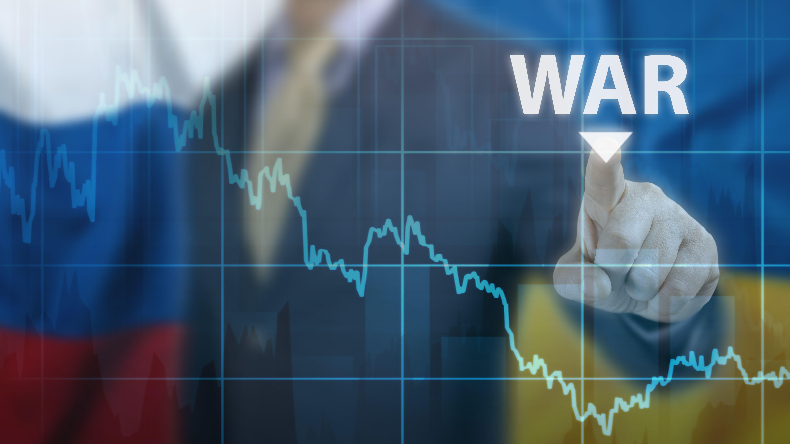
Russia’s Economic Conditions
Real GDP growth has decelerated sharply to around 0.6-1.5% in 2025 (IMF at 0.6%, other forecasts ~1%), down from 4.3% in 2024.
Inflation remains elevated at 6-9% (official figures around 6.6% by late 2025, but pressures persist), forcing the Central Bank to hike rates to 21% (later slightly reduced).
Long-term outlook points to stagnation (~1% growth in 2026+), with risks of stagflation.
Role of America in Ukraine- Russia War
The U.S. provided massive aid under the Biden administration, totaling around $175 billion in overall appropriations (with military assistance at approximately $66.9 billion since the 2022 invasion, per State Department figures).
This included advanced systems like Patriot air defense batteries, HIMARS rocket launchers, Abrams tanks, and precision munitions—critical for Ukraine’s defense against Russian advances.
Temporary freezes on some deliveries (e.g., Patriot missiles and precision weapons in March and July 2025), later partially lifted.
The December 2025 National Defense Authorization Act (NDAA) — passed with bipartisan support despite administration preferences — authorized $800 million for Ukraine via the Ukraine Security Assistance Initiative ($400 million each for FY2026 and FY2027), though the administration has shown reluctance to fully utilize it, favoring European-led procurement.
Sanctions remain a core tool, targeting Russia’s economy and war financing.
Intelligence sharing continues, aiding Ukrainian operations.
The U.S. maintains a strong troop presence in Europe (limited reductions barred without consultation) and supports NATO allies.
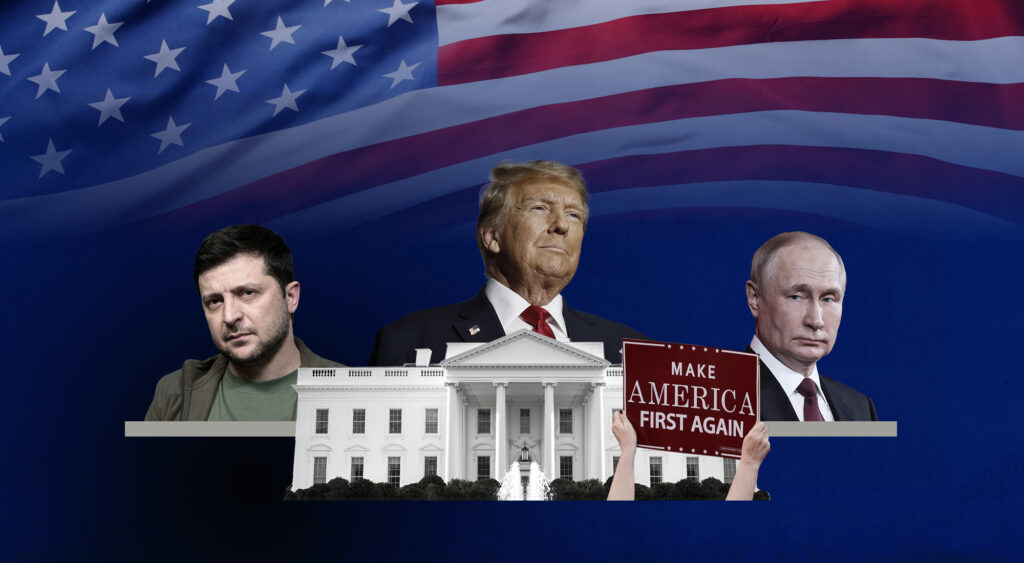
Today’s Situation of Ukraine-Russia war
Russian mortality rates on the front lines are rising to levels that cannot be sustained by the current method of voluntary recruitment, Ukrainian figures suggest.
“In December, 35,000 occupiers were eliminated – and this has been confirmed with video footage,” said Ukrainian President Volodymyr Zelenskyy in a Monday evening address. “In November, there were 30,000, and in October, 26,000 eliminated occupiers.
The enemy lost over 33,000 personnel [in December]. This figure includes only confirmed video cases, but the actual losses of the occupiers are greater,” he wrote on the Telegram messaging service.
That, he said, made December 2025, “the first month when the unmanned systems units of the Ukrainian Defence Forces neutralised approximately as many servicemen of the occupying army as Russia conscripted in a month
On December 29, Russia claimed Ukraine had attempted to strike Putin’s residence on the shores of Lake Valdai in Novgorod, and on January 1, its Ministry of Defence said flight data from a downed drone proved this.
The target audience appeared to be US President Donald Trump, whom Putin phoned to give him the news in person.
Despite initially declaring he believed the story was true, Trump on Sunday [January 4] told reporters on Air Force One, “I don’t believe that strike happened.”