
World’s Most 3 Dangerous Tourist place
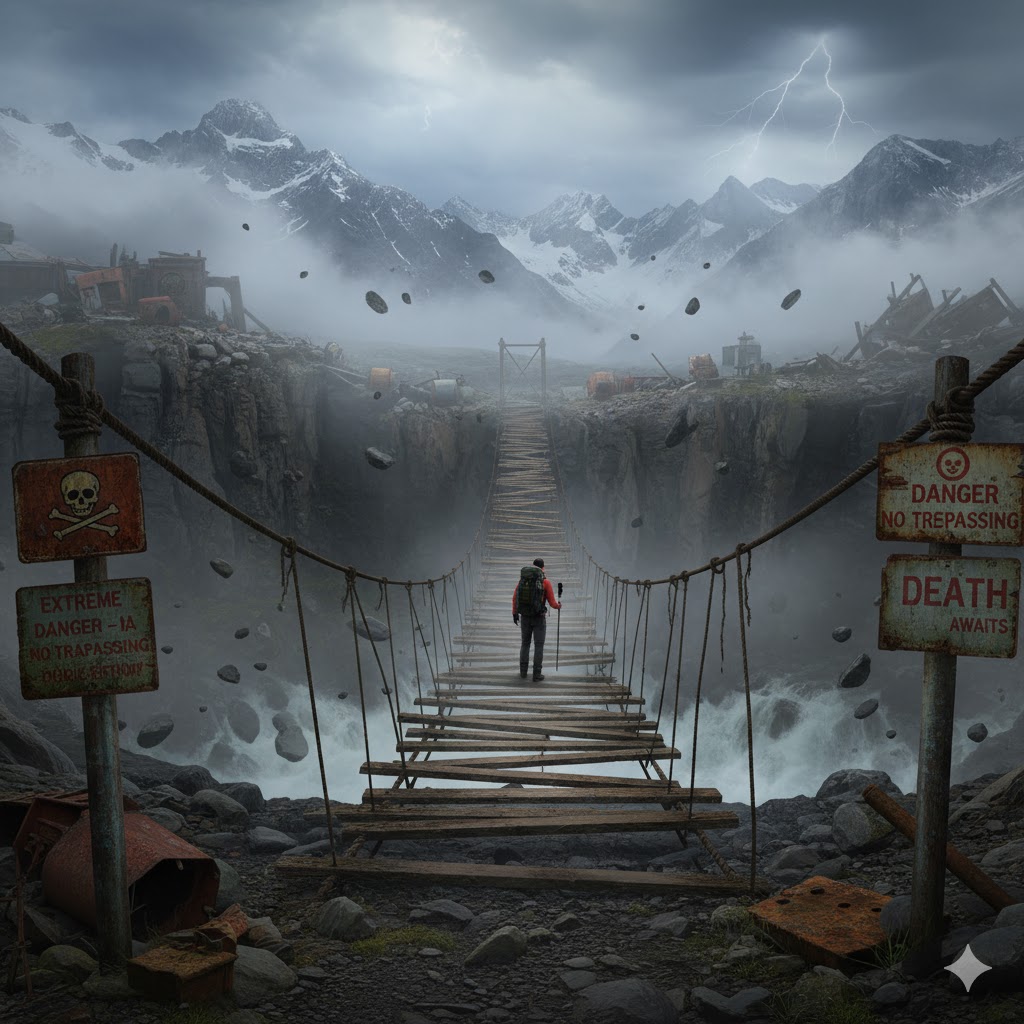
The “world’s most dangerous tourist place” depends on whether you’re considering dangerous attractions or dangerous countries. For dangerous attractions, places like the steep staircase to Sighiria Fort in Sri Lanka and the highly alkaline Lake Natron in Tanzania, which can burn skin, are extremely hazardous. In terms of countries, conflict and instability make places like Afghanistan, Syria, and South Sudan among the most dangerous for tourists to visit, due to risks like kidnapping, terrorism, and civil conflict. The notion of the “world’s most dangerous tourist place” is subjective and depends on the type of risk: geopolitical instability and terrorism (e.g., active war zones), high crime rates, natural hazards, or extreme adventure activities. Based on recent 2025 analyses from security firms like International SOS and risk assessors like Everly Life, the most perilous spots for tourists are often entire countries rather than single sites. These rankings factor in crime indices, health infrastructure, traffic fatalities, sexual assault rates, and conflict levels.
Sighiria Fort (Sri Lanka)
Sigiriya
, also known as Lion Rock, is an ancient rock fortress and palace built atop a 200-meter-high granite column in the Matale District of Sri Lanka. A UNESCO World Heritage Site, Sigiriya is famed for its 5th-century frescoes, ancient mirror wall, and hydraulic gardens. Visitors can climb over 1,200 steps to the summit, where the ruins of King Kassapa’s palace offer panoramic views of the surrounding landscape.
Opening hours: The site is open daily from 7 a.m. to 5:30 p.m. with the ticket office closing at 5 p.m..
Entrance fee: For non-SAARC foreigners, the fee is $35 for adults, which includes entry to the Sigiriya museum. Online tickets can be purchased through the Sri Lanka Government Central Cultural Fund website.
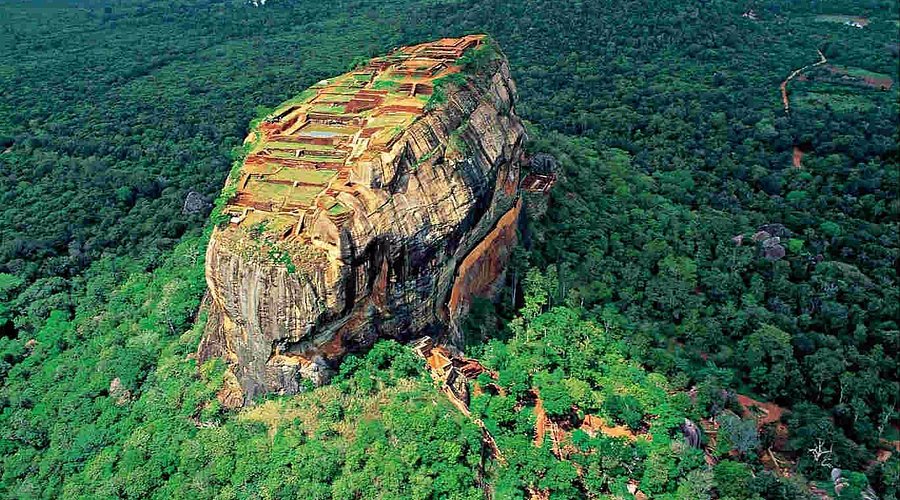
Best time to visit: The dry season, from December to April, offers the most comfortable weather for climbing. To avoid crowds and heat, it’s best to visit early in the morning, right after opening, or in the late afternoon for sunset views. Sigiriya’s “danger” is more adventure than apocalypse—rated low-risk overall, but it punishes the unprepared. Sri Lanka’s U.S. State Department advisory is Level 2: Exercise Increased Caution (updated October 14, 2025), mainly for civil unrest, terrorism, and monsoons elsewhere on the island. No specific red flags for Sigiriya or cultural sites; the Central Province (where it sits) is stable and tourist-friendly. Petty crime like pickpocketing is the biggest off-site worry, but on the rock? It’s all about physics and nature.Bottom line: Over 90% of visitors call it “challenging but doable” on TripAdvisor (4.5/5 rating, 2025). It’s riskier for unfit folks or the height-averse than, say, a beach day in Galle. No recent X posts scream “danger”—just promo pics and one debunking Ravana myths.
Quick Guide
- Getting There: 3-4 hours from Colombo by train/bus/tuk-tuk (roads improved post-2022 crisis). Stay in nearby Habarana or Dambulla for eco-lodges (~$50/night).
- Cost: $30 USD entry (cash/card; includes audio guide). Add $5-10 for Pidurangala Rock (nearby viewpoint—easier 20-min scramble for epic Sigiriya selfies).
- Best Time: Dry season (Dec-Apr) for sunrises; avoid weekends/Sri Lankan holidays for fewer crowds.
- Duration: 2-3 hours total. Pair with Dambulla Cave Temple (15 min away) for a full day.
- Pro Tip: Climb Pidurangala first for the money-shot view, then Sigiriya. No drones/flash photos (frescoes are fragile—cameras confiscated).
Mount Hua Shan (China)
Mount Hua Shan
, located near the city of Huayin in China’s Shaanxi Province, is one of the Five Great Sacred Mountains of China. It is renowned for its sheer cliffs, breathtaking natural scenery, and the famously perilous “Plank Walk in the Sky”.
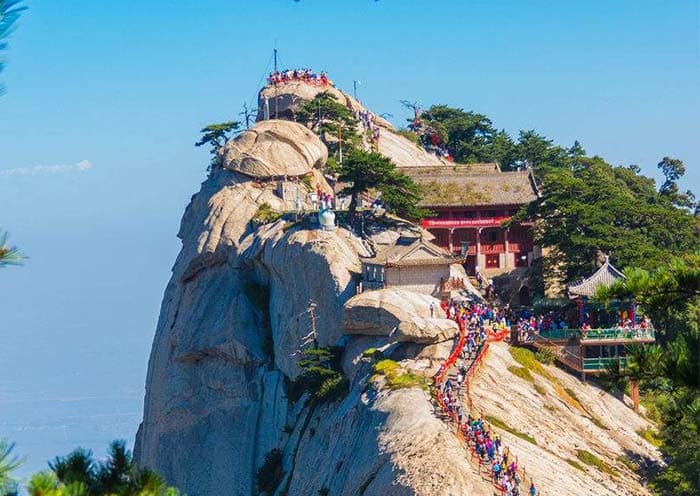
- Five Peaks: The mountain has five main peaks, connected by hiking trails, each with its own distinctive charm:
- South Peak (2,154.9 m): The highest peak and the location of the famous Plank Walk.
- East Peak: The best place to watch the sunrise.
- West Peak: Known for its elegant, lotus-flower-shaped rock formation and stunning sunset views.
- North Peak: The lowest of the main peaks and a common starting point for the ascent via cable car.
- Middle Peak: Also called Jade Maiden Peak, located between the east and west peaks.
As of November 2025, it’s fully operational and safer than its hype suggests, thanks to mandatory harnesses, recent reinforcements, and crowd controls. No fatalities reported in 2024 or 2025 so far—rumors of “100 deaths a year” are unverified urban legends from pre-2010s, when paths were rawer. The last confirmed incident was a 2019 selfie-taker’s fall off a non-plank section, and a 2018 suicide on the planks. China’s tourism boom (e.g., Golden Week 2025 saw 335M+ trips) has spotlighted overcrowding risks, but Huashan uses AI monitoring and patrols to manage it. U.S. State Department rates China Level 2: Exercise Increased Caution (October 2025 update)—standard for urban pollution/ petty crime, not site-specific threats here. It’s punishing for the unfit or height-phobic, but fatalities are rare thanks to safety upgrades.Overall: 4.5/5 on TripAdvisor (2025), with 95% calling it “terrifying but transformative.” It’s riskier than Sigiriya’s stairs but far from Bolivia’s Death Road—harnesses make the plank “scary fun,” not lethal.
Quick Guide
- Getting There: 1-2 hours from Xi’an by high-speed train (CNY 55/8 USD to Huashan North Station), then free shuttle to base. Stay in Huayin town (~CNY 300/42 USD/night) or on-mountain guesthouses (basic dorms, CNY 200/28 USD).
- Cost Breakdown: Entry CNY 190 (peaks)/160 (off); cable car CNY 180 round-trip; plank harness CNY 30. Total ~CNY 400/56 USD.
- Best Time: Apr-Jun or Sep-Oct for mild weather/views; avoid winter ice or summer heat. Sunrise hikes (midnight start) are magical but crowded.
- Duration: Full circuit 6-10 hours; plank adds 30-60 min (queue included). Combine with Xi’an’s Terracotta Warriors (day trip).
- Pro Tip: Download the English Huashan app for maps/live cams. Hydrate (2L+), eat at summit teahouses (herbal tea = bliss). For views without terror, cable to North Peak and bus between.
Lake Natron (Tanzania)
Lake Natron
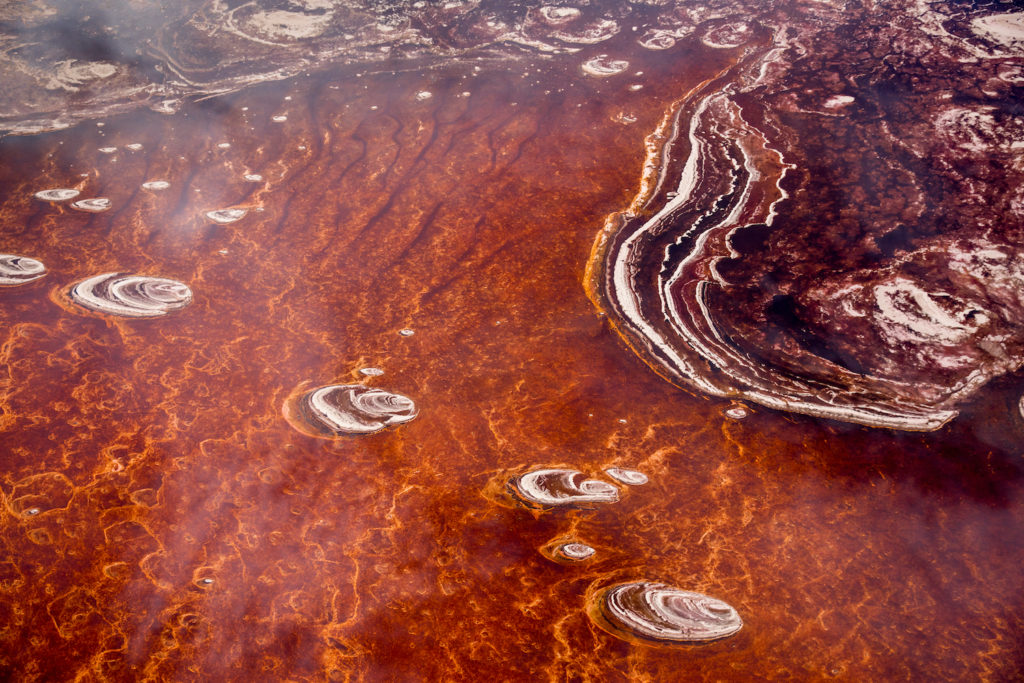
is a highly alkaline, mineral-rich salt lake in northern Tanzania, renowned for its striking blood-red color and its vital role as the single most important breeding ground for the lesser flamingo. Its extreme environment, while deadly to most animals, provides a unique and safe haven for a specialized ecosystem.
Extreme Chemistry: Fed by the Southern Ewaso Ng’iro River and mineral-rich hot springs, the shallow lake (less than 3 meters deep) has no outlet, leading to high evaporation and concentrated mineral salts (primarily sodium carbonate or “natron”). The alkalinity can reach a pH of over 12, making the water highly caustic (similar to ammonia).
“Petrified” Animals Myth: The high salt content and alkalinity can calcify the bodies of animals that die in the water, essentially mummifying them and giving rise to stories of a “petrifying” lake. Photographer Nick Brandt famously posed some of these calcified remains for his art series.
Information for Visitor
- Activities: The area offers unique activities such as flamingo watching, hiking to the nearby Ngare Sero waterfalls and gorge, climbing the active Ol Doinyo Lengai volcano (usually done overnight to avoid heat), and visiting local Maasai villages to learn about their culture. Ancient hominid footprints can also be seen nearby.
- Safety: Swimming in Lake Natron is strongly discouraged due to the potential for skin and eye burns from the high alkalinity and high water temperatures (which can reach 60 °C or 140 °F in some areas).
- Best Time to Visit: The dry season,
- from June to October, is generally considered the best time to visit for more stable weather and optimal flamingo viewing, as they gather in large numbers to breed.
- Access: The lake is located in a remote area, about 120 km (75 miles) northwest of Arusha, and is typically accessed by road as part of a northern Tanzania safari itinerary.
Quick Guide
- Getting There: Fly to Arusha (1 hour from Dar es Salaam), then 4WD convoy (CNY 200-300/28-42 USD pp). Base at Engare Sero village camps (~$20/night basic tents).
- Cost Breakdown: $35 USD entry (community-managed); full day tour $150-250 USD (includes guide, transport, lunch). Add $50 for Ol Doinyo Lengai hike (strenuous volcano trek).
- Best Time: Dry season (June-Oct) for red colors, flamingo flocks, low rain. Avoid Nov-May floods/heat peaks.
- Duration: 1-2 days; combine with Serengeti (3 hours away) or Ngorongoro Crater for a rift valley loop.
- Pro Tip: Book Maasai-led walks for cultural insights (they use the natron for rituals). Photog heaven at dawn—bring zoom lens for “statue” shots from afar. No facilities on-site; pack snacks/toilet paper.
Your point of view caught my eye and was very interesting. Thanks. I have a question for you.