
World War II Hidden Stories That Changes the world
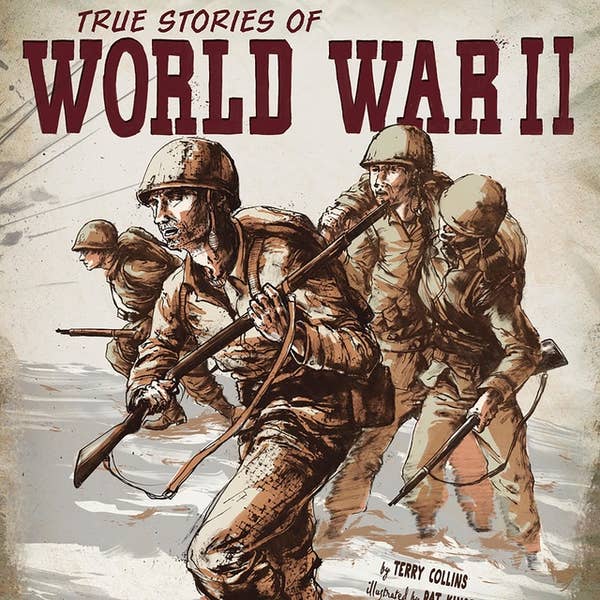
Here are some of the hidden stories of World War II that impacted the world:
Code-breaking and intelligence operations
- The code breakers of Bletchley Park: A secret team of mathematicians and linguists, including Alan Turing, worked in Bletchley Park, England, to decode German messages encrypted with the Enigma machine. The intelligence gathered from this effort, known as “Ultra,” is believed to have shortened the war by at least two years.
- The Navajo code talkers: The U.S. military enlisted hundreds of Navajo men to serve as code talkers in the Pacific theater. The complex and unwritten Navajo language was used to transmit sensitive information, and the Japanese were never able to break the code.
- Operation Mincemeat: The British deceived the Germans by planting a corpse with false documents off the coast of Spain. This led Germany to believe the Allies would invade Greece and Sardinia instead of the actual target, Sicily, ensuring the success of the Allied invasion.
Acts of humanity
- The Stigler-Brown incident: In 1943, German flying ace Franz Stigler had the chance to shoot down a crippled American B-17 bomber, but instead escorted the damaged plane and its crew to safety. This extraordinary act of chivalry was kept a secret until decades later, when the two pilots reunited.
- The rescue at the Grand Mosque of Paris: During the German occupation of France, hundreds of Jewish people were hidden and escorted out of Paris through the catacombs under the city’s main mosque. This resistance movement, led by the mosque’s spiritual leader, saved over 1,000 lives.
- Witold Pilecki’s Auschwitz report: Witold Pilecki, a Polish army officer, voluntarily entered the Auschwitz concentration camp to gather intelligence on the atrocities and form a resistance network. His reports were the first comprehensive accounts of the Holocaust to reach the Allies, although his warnings were largely dismissed as unbelievable.
Technological innovations and scientific advances
- The proximity fuze: This classified technology, which allowed munitions to detonate automatically when they approached a target, was a closely guarded secret of the Allies. It played a critical role in saving countless lives and turning the tide of the war in both the Pacific and Europe.
- The development of radar: British scientists developed and implemented radar technology that allowed them to detect incoming German aircraft during the Battle of Britain. This gave the Royal Air Force a crucial advantage against the superior German Luftwaffe.
Unsung heroes
- Women codebreakers: While many men gained fame for their cryptanalytic work, women played a critical, though often unrecognized, role in breaking enemy codes. They worked around the clock, knowing that failures could cost soldiers’ lives.
- Forgotten heroes of color: Millions of people of color served with the Allies, including Indian and African American troops, yet their stories were often ignored by mainstream history. Modern efforts are working to unearth archives and track down descendants to restore the narratives of these unsung heroes.
WW2 global scales of the war
World War II was the largest and deadliest conflict in human history, involving nearly every country and affecting the global population in unprecedented ways. Its scale can be understood by examining its massive human cost, broad geographical reach, and lasting economic and political consequences.
The immense scale of human loss
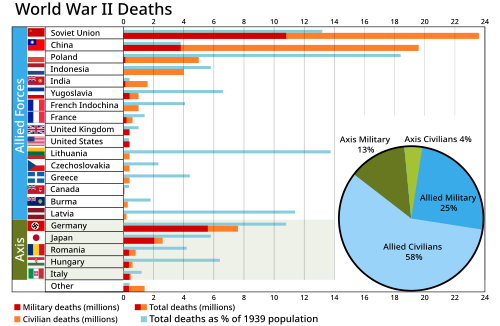
- Casualties: Estimates of total casualties range from 70 to 85 million people, representing about 3% of the world’s population in 1940.
- Civilian vs. military deaths: The proportion of civilian casualties was extraordinarily high, with an estimated 50–55 million civilian deaths compared to 21–25 million military deaths. This shift in the nature of warfare was due to strategic bombing campaigns, widespread famine, and genocidal policies.
- Most-affected countries: The Soviet Union suffered the most, with an estimated 24 million total civilian and military deaths. China, Germany, and Poland also endured catastrophic losses.
- The Holocaust: This state-sponsored genocide perpetrated by Nazi Germany and its collaborators resulted in the systematic murder of approximately six million Jews across Europe.
The vast geographical scope
WWII was fought across multiple major and minor theaters, distinguishing it from prior conflicts.
European Theater
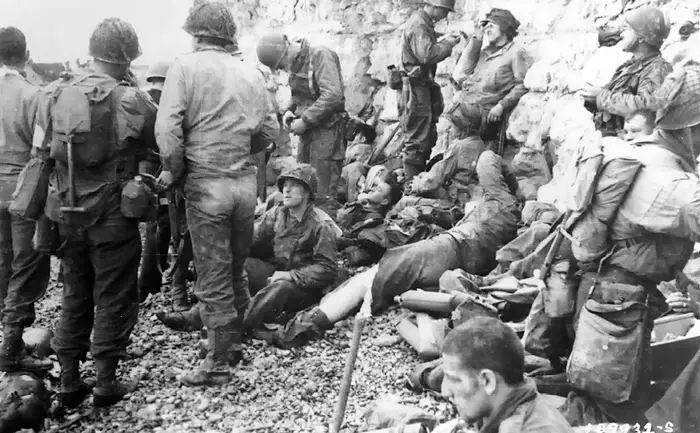
- Western Front: Key events included the German invasion of France, the Battle of Britain, and the Allied landings at Normandy on D-Day.
- Eastern Front: This theater involved the immense and brutal struggle between Nazi Germany and the Soviet Union, including pivotal battles like Stalingrad and Kursk.
- Mediterranean and North African Theater: Combatants fought for control of North Africa, the Mediterranean Sea, and Southern Europe, with Allied forces eventually invading Italy.
Asia-Pacific Theater
- Second Sino-Japanese War: This conflict, which began in 1937, saw Japan’s brutal invasion and occupation of much of China.
- Pacific Ocean Theater: The war in the Pacific began for the US with the Japanese attack on Pearl Harbor and involved extensive naval and island-hopping campaigns across vast distances.
- China-Burma-India Theater: This less-known but vital front was marked by fighting in challenging jungle and mountain terrain.
The lasting economic and political impact
The war fundamentally reshaped global geopolitics, setting the stage for the modern world.
- Economic devastation: Vast parts of Europe and Asia were destroyed, while the US and USSR emerged as dominant economic and political powers.
- The Cold War: The end of WWII marked the beginning of a new period of tension between the world’s two new superpowers: the capitalist United States and the communist Soviet Union.
- Decolonization: The war weakened colonial powers like Great Britain and France, diminishing their global influence and accelerating the decolonization of Asia and Africa.
- New international order: The scale of destruction led to the creation of international institutions like the United Nations, with the goal of preventing future conflicts on such a devastating scale.
Unprecedented human cost
The human cost of World War II was unprecedented in history, with estimates ranging from 70 to 85 million deaths. The scale of loss was primarily driven by the enormous number of civilian casualties, deliberate genocide, and widespread famine.
The immense death toll
- Total deaths: The number of people who died during WWII is generally estimated between 70 and 85 million, approximately 3% of the world’s population at the time.
- A majority of civilians: A defining characteristic of WWII was that a majority of the dead were civilians, not soldiers. Unlike previous major conflicts, civilians were deliberately targeted through strategic bombing, forced labor, and extermination campaigns.
Persecution and genocide
- The Holocaust: This state-sponsored genocide orchestrated by Nazi Germany systematically murdered an estimated six million European Jews. Millions of others deemed “undesirable” were also murdered, including Romani people, disabled persons, and gay men.
- Forced labor: Millions were worked to death as forced laborers under brutal conditions in concentration camps, penal colonies, and during the occupation of foreign territories.
Mass starvation and displacement
- War-related famine: Strategic looting, sieges, and the disruption of agricultural production led to widespread famine in many occupied territories. In the Soviet Union, for instance, between 8 and 9 million people are estimated to have died from war-related famine and disease.
- Displaced persons and refugees: The war displaced millions of people who lost their homes due to the fighting, the Holocaust, or forced deportations. This created a massive refugee crisis and reshaped the demographics of post-war Europe and Asia.
The most affected countries
The heaviest burdens of the unprecedented human cost were borne by a few nations:
- Soviet Union: Sustained the highest losses, with an estimated 20 to 26 million deaths. This includes millions of civilians who died from starvation, disease, and Nazi atrocities.
- China: Suffered immense casualties, with estimates between 15 and 20 million. This includes millions of civilians killed during the Second Sino-Japanese War.
- Poland: Experienced the highest percentage of population loss, with nearly 17% of its pre-war population killed.
- Germany: Sustained millions of military casualties, primarily on the Eastern Front, and hundreds of thousands of civilian deaths from Allied strategic bombing.
End of colonialism
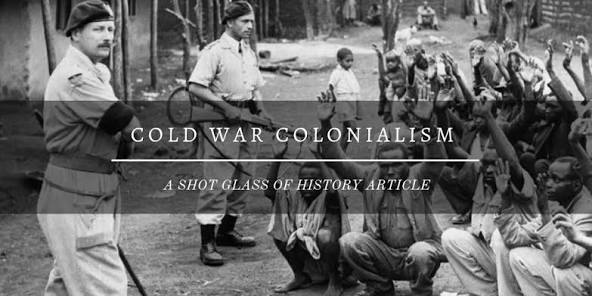
The end of colonialism, or decolonization, was a complex, multifaceted process that occurred primarily in the mid-20th century. It was driven by a combination of factors that weakened European imperial powers and strengthened nationalist movements in colonized territories.
Weakening of colonial powers
- World Wars I and II: The World Wars were financially and militarily damaging to European colonial powers, such as Britain and France. The sight of Europeans fighting each other on a large scale undermined the perception of European strength and moral authority.
- Economic strain: Maintaining large overseas empires became a financial burden for many European countries, especially after the World Wars. The costs of administration and suppressing independence movements exceeded the economic benefits for colonial powers.
Rise of anti-colonial nationalism
- Increased self-awareness: The spread of Western education in the colonies created an intellectual elite aware of the contradictions of European rule. Inspired by Enlightenment ideals of liberty and self-determination, they began to organize and lead movements to reclaim national sovereignty.
- Inspiration from earlier independence: The successful independence movements of previously colonized nations, particularly India’s independence from Britain in 1947, inspired other anti-colonial movements across Asia and Africa.
- Japanese conquest of Asia: Japan’s defeat of European powers in Asia during World War II showed that colonizers were not invincible. Japan fostered local nationalist movements to weaken European control, and when Japan was defeated, these movements were ready to fight for full independence.
International pressure and changing geopolitics
- The Cold War: The rise of the United States and the Soviet Union as global superpowers after World War II created a new international order that opposed traditional colonialism. Both the US and USSR presented themselves as anti-imperialist, viewing decolonization as a way to expand their influence.
- The United Nations: The UN, created in 1945, provided a global forum for anti-colonial discourse and pressured imperial powers. The UN established principles supporting self-government and advocated for decolonization.
Different paths to independence
The process of decolonization varied across regions and was not always peaceful.
- Negotiated independence: In some instances, colonial powers voluntarily transferred power through constitutional procedures and reforms. India, Ghana, and Kenya saw largely negotiated transitions.
- Armed struggle: In other cases, independence was achieved through violent armed struggle, especially where colonial powers resisted giving up control. Examples include Algeria’s fight against France and Vietnam’s war for independence.
- International pressure: Some countries gained independence due to significant international pressure from organizations like the United Nations, as seen in the cases of Indonesia and Namibia.
Consequences and legacy of decolonization
The end of formal colonial rule left a complex and lasting legacy.
- Arbitrary borders: Many newly independent nations inherited borders arbitrarily drawn by colonial powers, often leading to ethnic tensions and civil conflicts.
- Neocolonialism: The end of formal political control did not mean the end of economic and cultural influence. Some critics argue that neocolonialism, involving continued economic and cultural dominance by former colonial powers, persists today.
- New global order: Decolonization created dozens of new nation-states, reshaping international relations and global power dynamics.
Rise of super powers
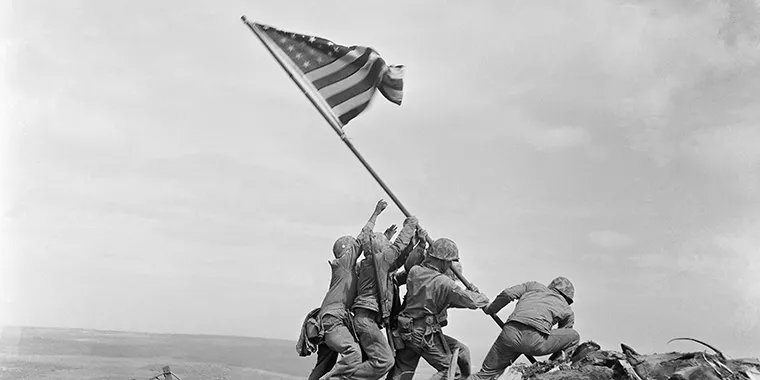
The rise of the United States and the Soviet Union as global superpowers after World War II marked a dramatic shift in the world order. European dominance, which had defined international relations for centuries, was shattered by the devastation of two world wars. The resulting power vacuum and ideological conflict between capitalism and communism set the stage for a new, bipolar world.
Rise of the United States
The U.S. ascended to superpower status for several key reasons:
- Economic powerhouse: As the only major industrial power to emerge from WWII unscathed, the U.S. accounted for almost half of the world’s total economic output in 1945. The war spurred massive industrial production, which fueled the American economy.
- Economic leadership: The Bretton Woods Conference in 1944 established the U.S. dollar as the world’s new reserve currency and created institutions like the International Monetary Fund (IMF) and the World Bank. This gave the U.S. a leading role in shaping the global economy.
- Military dominance and nuclear monopoly: The U.S. developed the atomic bomb during WWII and was the first and only country to possess this devastating weapon in the immediate aftermath of the war. This gave it an unparalleled military advantage.
- Commitment to internationalism: In contrast to its isolationist stance after WWI, the U.S. embraced a more interventionist foreign policy. The Marshall Plan poured billions into rebuilding Western Europe, and the U.S. led the creation of international bodies like the United Nations and NATO.
Rise of the Soviet Union
Despite its immense human losses during the war, the Soviet Union cemented its superpower status through military expansion and ideological ambition:
- Vast military occupation: After defeating Nazi Germany, Soviet armies occupied much of Eastern Europe. The USSR consolidated its control by installing communist governments in these “Eastern Bloc” states.
- Rapid nuclear development: Recognizing the threat of the U.S. nuclear monopoly, Soviet leader Joseph Stalin initiated a crash program to develop the USSR’s own atomic bomb, which it successfully tested in 1949.
- Command economy and rapid rebuilding: Stalin’s “economic miracle” focused on rapidly rebuilding Soviet cities and industry after the war. The state-controlled economy achieved ambitious goals, allowing it to compete with the West.
- Ideological expansion: Driven by a commitment to spreading communism, the USSR engaged in a global ideological and geopolitical struggle with the U.S. This competition influenced events worldwide, from proxy wars in Korea and Vietnam to the space race.
Consequences of the new superpowers
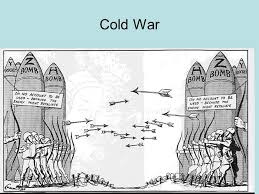
- The Cold War: The opposing ideologies and mutual distrust between the U.S. and USSR created an era of intense geopolitical rivalry that lasted from 1947 until 1991. While the two superpowers never engaged in direct military conflict, they waged a prolonged “Cold War” through proxy conflicts, arms races, and propaganda.
- Decolonization: The world wars severely weakened European empires, accelerating the process of decolonization. The new superpowers often competed for influence in these newly independent nations, shaping post-colonial politics.
- Nuclear age: The nuclear arms race between the U.S. and USSR introduced the concept of Mutually Assured Destruction (MAD), which, while terrifying, prevented a “hot” war between the two giants. Their nuclear stockpiles gave them military power far exceeding any previous nation.
Birth of cold war between us and Ussr
The birth of the Cold War emerged from the ashes of World War II, fundamentally driven by ideological conflict, mutual distrust, and strategic disagreements between the United States and the Soviet Union. Though allies during the war, their partnership disintegrated over competing visions for the post-war world, setting the stage for a decades-long rivalry.
Ideological differences
- Capitalism vs. Communism: The U.S. championed liberal democratic capitalism, while the USSR promoted state-controlled communism. These two irreconcilable ideologies led each side to view the other as a direct threat to its way of life and global influence.
- Expansion of influence: The Soviet Union was dedicated to the worldwide spread of communism, whereas the U.S. pursued a policy of “containment” to prevent the spread of Soviet influence. This clash of agendas fueled a global battle for hearts and minds, especially in newly decolonized countries.
Post-war conferences and agreements
The seeds of the Cold War were sown during key Allied conferences in 1945.
- Yalta Conference (February 1945): The “Big Three”—Roosevelt, Churchill, and Stalin—met to plan the post-war reorganization of Europe. Agreements included the division of Germany and Berlin into four zones of occupation and the promise of free elections in liberated countries. However, this promise was ultimately broken by Stalin in Soviet-occupied territories.
- Potsdam Conference (July–August 1945): With Roosevelt replaced by Harry S. Truman, the atmosphere of cooperation deteriorated. Truman was more suspicious of Soviet expansionism, and revealing the U.S. had a “new weapon of special destructive force” (the atomic bomb) only heightened tensions with Stalin.
Soviet expansion in Eastern Europe
As the Red Army pushed back Nazi forces, the Soviet Union solidified its control over Eastern European countries, alarming the Western Allies.
- Buffer zone: Stalin’s primary motivation was creating a buffer zone of friendly states to protect against future attacks from the West.
- Satellite states: Between 1945 and 1948, the USSR installed communist regimes in Poland, Hungary, Bulgaria, Romania, and Czechoslovakia, rigging elections and ousting non-communist leaders.
- The Iron Curtain: By 1946, a metaphorical “iron curtain” had fallen across Europe, dividing the continent into a communist Eastern Bloc controlled by Moscow and a democratic Western Bloc.
The American response
In response to perceived Soviet aggression, the U.S. implemented new foreign policy initiatives to actively counter communism.
- Truman Doctrine (1947): President Truman pledged that the U.S. would provide political, military, and economic aid to any democratic nation threatened by an authoritarian force, with initial aid sent to Greece and Turkey to prevent a communist takeover.
- Marshall Plan (1948): The U.S. provided billions of dollars to help rebuild Western European economies devastated by the war. While publicly humanitarian, the plan’s underlying purpose was to strengthen Western Europe and make it less susceptible to communist influence.
- Formation of NATO (1949): The creation of the North Atlantic Treaty Organization, a military alliance of Western nations, was a clear signal of unity against Soviet expansion. In response, the Soviets formed the Warsaw Pact military alliance in 1955.
NUCLEAR AGE
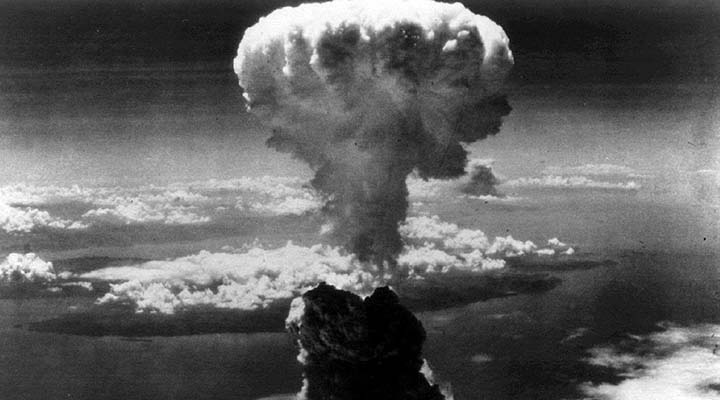
The nuclear age began in the final months of World War II with the first successful detonation of an atomic bomb during the Trinity test in July 1945, followed by the atomic bombings of Hiroshima and Nagasaki in August 1945. This marked the transition from the atomic age, a term prevalent in the 1930s, to the nuclear age and brought the war to a close. The term “nuclear age” was coined almost immediately after the bombs were used, reflecting the profound impact of nuclear weapons on global society and the beginning of a new era defined by their existence and potential use.
The Birth of the Nuclear Age
- Trinity Test (July 1945):The world’s first nuclear weapon was successfully detonated at the Trinity site in New Mexico, an event that marked the true start of the nuclear age.
- Hiroshima and Nagasaki (August 1945):In the final weeks of World War II, the United States dropped atomic bombs on the Japanese cities of Hiroshima and Nagasaki. These attacks brought about the end of the war but also made the public aware of the destructive power of nuclear weapons.
- Instantaneous Coining of the Term:The phrase “nuclear age” began to be used immediately after the bombings, even appearing in a textbook published by Harvey Brace Lemon, which was retitled From Galileo to the Nuclear Age in its 1946 second edition.
Impact and Legacy
- End of World War II:The use of nuclear weapons in the conflict was a pivotal moment that contributed to the end of the war.
- Shift in Geopolitics:The development and use of nuclear weapons led to a new era of international relations and the beginning of an arms race, particularly after the Soviet Union detonated its own nuclear warhead in 1949.
- The “Atomic Age” vs. “Nuclear Age”:While the term “atomic age” was more common in the 1930s and early 1940s, the immediate and dramatic use of the bombs in the war led to the phrase “nuclear age” gaining wide and lasting popularity.
- The third nuclear age – The Hindu18-Jun-2025 — After the first nuclear age of the Cold War and its terrifying bipolar logic of mutually assured destruction between th…
The Hindu
- 1948. Living in the nuclear age – BBC TeachFew developments since the 1930s have had a greater impact on society than the discovery of atomic energy and its potential for bo…
BBC
- Nuclear Age | Encyclopedia.comThe nuclear age began in mid-July 1945 when an 18.6-kiloton nuclear bomb was detonated at the Trinity test site near Alamogordo, N…Encyclopedia.com
- Show all
Women role in ww2

During World War II, women served as crucial members of the military and workforce, taking on roles that included factory labor to produce munitions and equipment, support positions within various military branches like nurses, pilots, and mechanics, and active combat in the Soviet Union and European resistance movements. On the home front, they managed households, rationed goods, and volunteered for relief organizations, ensuring society continued to function and supporting troops overseas.
On the Front Lines
- Military Service:Millions of women joined the armed forces in specialized roles such as the Women’s Army Corps (WAC),25,996,09416·0Women Accepted for Volunteer Emergency Service (WAVES) in the Navy, Women’s Auxiliary Air Force (WAAF), and the Coast Guard Women’s Reserve (SPARS).25,996,09416·0
- Non-Combat Support:They served as clerks, drivers, mechanics, radio operators, parachute riggers, and served as nurses in the Army Nurse Corps.
- Pilots:While many air forces had policies against women in combat roles, some women flew in civilian organizations like the Women Airforce Service Pilots (WASPs) in the U.S., ferrying aircraft between bases.
- Combat and Resistance:The Soviet Union had women in combat roles on the front lines, and women also played vital roles in resistance movements throughout Europe, engaging in combat and support operations.
On the Home Front
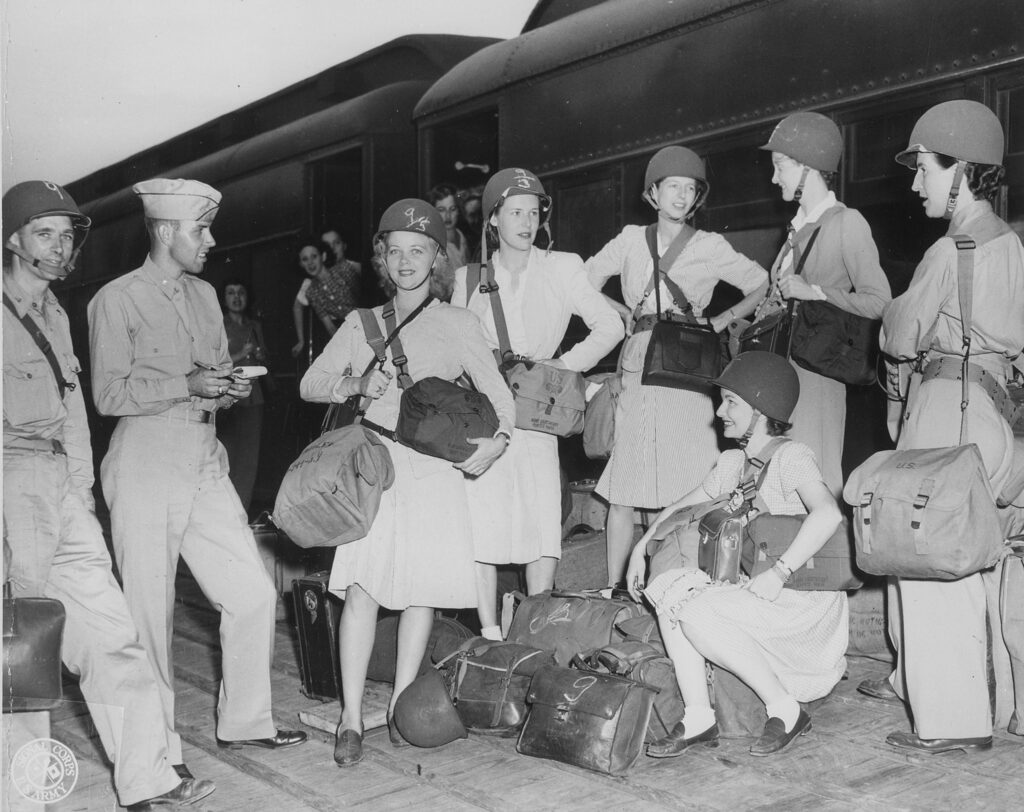
- Factory Work:With millions of men fighting, women filled jobs in defense plants, building tanks, aircraft, and weapons, and in other vital industries.
- Agriculture:Women took on roles in farming, helping to maintain food supplies for the war effort.
- Volunteering and Community:Women volunteered for organizations like the Red Cross, collected scrap metal, and organized charity drives to support troops overseas.
- Household Management:Women also managed households under rationing, ensuring families had enough food and resources, and often finding innovative ways to make do with limited supplies.
Challenges and Societal Impact
- Discrimination:Despite their contributions, women in the military and workforce faced gender discrimination and harassment, and often received lower pay than men for the same work.
- Shift in Roles:The unprecedented entry of women into traditionally male-dominated roles challenged societal norms and demonstrated their diverse capabilities, leading to significant, lasting impacts on women’s rights and perceptions after the war.
- Post-War Demobilization:After the war, many women were discharged from military service, and their specialized roles were disbanded, though the experience paved the way for women’s continued participation in the military through legislation like the Women’s Armed Services Integration Act of 1948.
Germany and japan rebuilt
Germany and Japan rebuilt after World War II through a combination of significant U.S. economic aid, strategic foreign policy, democratic reforms implemented by Allied occupation forces, and the inherent strengths of their skilled populations and pre-existing infrastructure. The United States provided crucial funding and pushed for market-oriented reforms, while democratic constitutions and institutional changes fostered stability. Both nations, despite initial devastation, had the human capital and industrial base to recover and eventually become major global economies.
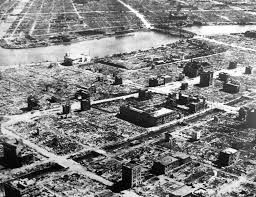
Shared Factors in Rebuilding
- U.S. Aid:The U.S. provided billions of dollars in aid to both West Germany (through programs like the Marshall Plan) and Japan, which was vital for their economic recovery.
- Skilled Workforce:Both countries possessed a large and skilled labor force and a large population base that could contribute to their rebuilding efforts.
- Pre-War Infrastructure:While significant, much of the physical infrastructure like roads, factories, and ports remained, providing a foundation for reconstruction.
- Democratic Reforms:Allied occupation forces implemented democratic reforms, including new constitutions and land reforms, which helped to establish stable and peaceful societies.
- Strategic U.S. Interests:Rebuilding prosperous, democratic West Germany and Japan served American geopolitical interests, such as creating a bulwark against Communism and fostering economic partners.
Specific Factors
- Germany:
- Post-War Population Density: The post-war partition and expulsion of Germans from eastern territories led to increased population density within the new Germany, adding to the available workforce.
- Abandonment of Demilitarization: The strict, early policies to transform Germany into a pastoral nation were largely abandoned as it became clear that a functional economy required skilled labor.
- Japan:
- Dismantling Zaibatsu: The U.S. occupation broke up large industrial conglomerates (zaibatsu) and implemented land reforms to benefit tenant farmers.
- American “Dictatorship”: General Douglas MacArthur, as head of the occupation, effectively held dictatorial authority in Japan, enabling sweeping reforms and quick rebuilding.
ww2 impact on world
World War II had a profound and devastating global impact, causing the deaths of 70 to 85 million people, leading to widespread displacement and suffering, and ushering in the nuclear age and the Cold War. Politically, it led to the collapse of empires, the creation of new nations like Israel, the rise of the U.S. as a global superpower, and the establishment of international organizations like the UN. The war also spurred significant technological advancements, such as those in medicine and computing, and brought lasting social changes, including altered roles for women, increased migration, and the emergence of new social policies and welfare states in many nations.
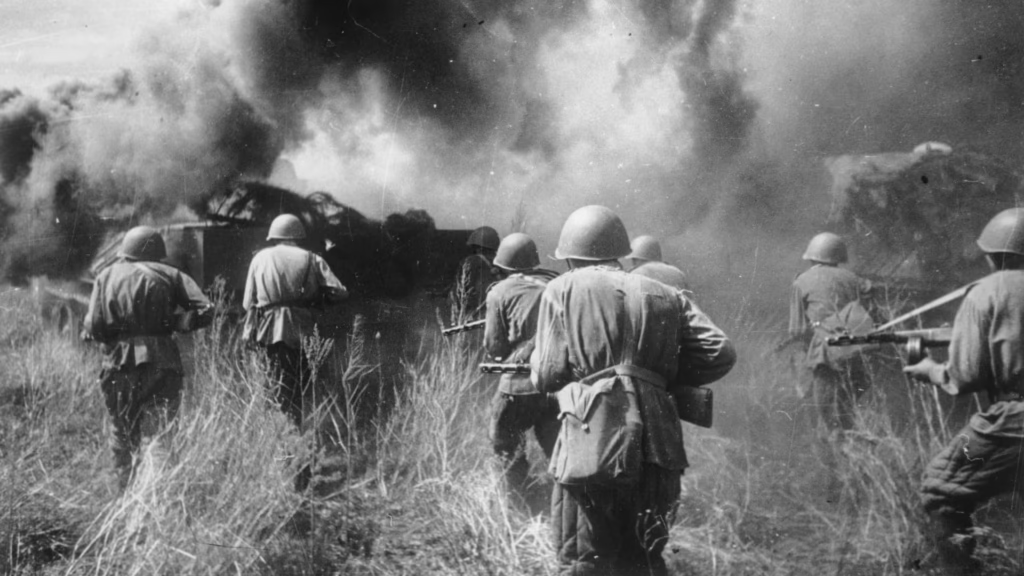
Human Cost
- Massive Casualties and Displacement:The war resulted in an estimated 70 to 85 million deaths, with the majority being civilians, causing immense loss and hardship across all continents.
- Refugees and Displaced Persons:Millions were uprooted, becoming refugees, with many Holocaust survivors, in particular, facing exile and struggling to find new homes.
Political and Geopolitical Changes
- End of Empires and Rise of New Powers:The war led to the collapse of the British Empire and the end of colonialism in various regions, while simultaneously establishing the U.S. as a global superpower.
- New Nations and International Institutions:New nations were formed, such as Israel, and the United Nations was created to promote international cooperation and prevent future conflicts.
- The Cold War:The postwar period was defined by the East-West rivalry of the Cold War, a period of intense geopolitical tension between the U.S. and the Soviet Union that never escalated into direct large-scale warfare.
Economic and Social Transformations
- Economic Dominance of the U.S.:Through initiatives like the Marshall Plan, the U.S. helped reconstruct devastated countries, creating markets for American goods and establishing the U.S. as a global economic leader.
- Social Changes and New Roles for Women:Women took on new roles in the workforce, filling traditionally male jobs, which contributed to long-term societal shifts in the United States and elsewhere.
- Consumerism and Prosperity:The war’s end and subsequent economic boom in the U.S. fueled a consumer society, making goods like cars and televisions more accessible to the growing middle class.
Technological and Scientific Advancements
- The Dawn of the Nuclear Age:The war saw the advent of nuclear weapons, fundamentally altering the nature of warfare and international relations.
- Medical and Technological Progress:Significant advances in medicine and technology occurred during the war, laying the groundwork for new fields of scientific exploration and improvements in daily life.
ww2 impact environment
World War II significantly harmed the environment by devastating landscapes through combat, depleting natural resources such as forests for wartime production and reparations, disrupting ecological systems, and polluting land and water with fuel and chemical weapons. The aftermath included lasting radiation from nuclear attacks, large-scale clear-cutting for resource-based payments in countries like Finland, and the creation of highly efficient but destructive forestry industries.
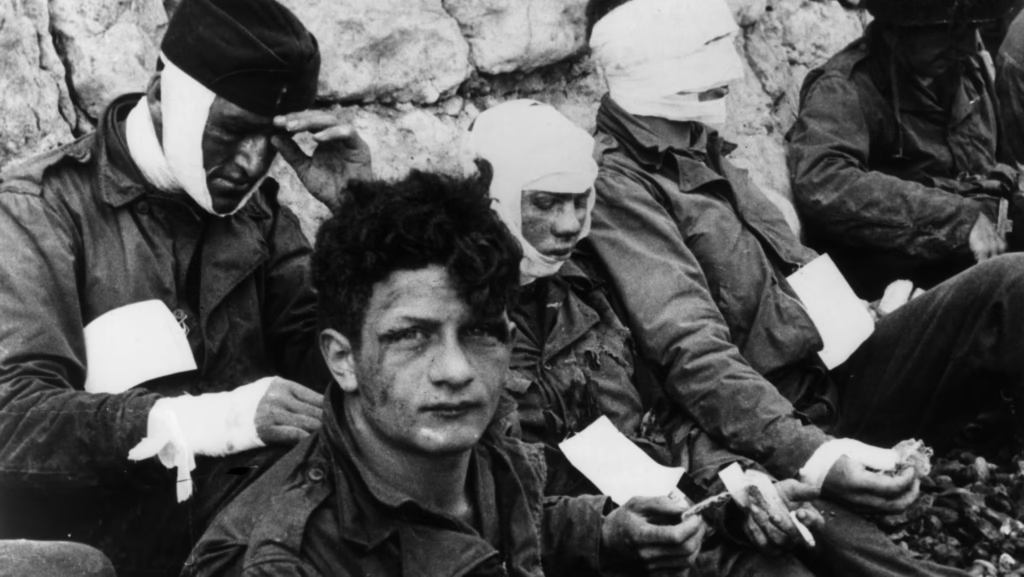
Direct Environmental Destruction and Pollution
- Devastated Landscapes:Combat operations caused widespread destruction to landscapes, impacting ecosystems.
- Fuel and Chemical Pollution:Fuel leakages from military activities polluted soil and water, while the use of chemical weapons caused blistering, burning, and death, damaging forests and crops.
- Radiation:Atomic bombings released radiation that poisoned both people and the environment, with potential long-lasting effects for thousands of years.
Resource Exploitation
- Forest Depletion:Forests were heavily exploited for wartime production and as a source of raw materials, especially teak and hardwoods.
- Resource-Based Reparations:Finland, for instance, paid war reparations by extensively logging its forests and constructing hydroelectric dams to fuel the production of goods for the reparations, leading to the clear-cutting of vast areas of forest.
Disruption of Ecosystems
- Ecological Disruption:The extensive use of resources and destruction of habitats disrupted established ecological relationships.
- Impact on Wildlife:The destruction of habitats and resources led to the slaughter of livestock, such as reindeer in Finland, significantly reducing their populations and forcing indigenous communities to change their traditional livelihoods.
Accelerated Industrial and Resource Management Changes
- Industrialization:The war spurred unprecedented economic mobilization and industrial growth, increasing resource demand.
- Modern Forest Industry:While destructive, the war also encouraged the creation of a modern, efficient forest industry to meet the accelerated demand for timber.
Pingback: The Impact of Winston Churchill on World war II - Fact Hub
Pingback: The History of the United Nations - Fact Hub
Pingback: The Pioneering Women In Computer Science - Fact Hub
Pingback: 5 Shocking Historical Events - Fact Hub
Pingback: Dark historical events - Fact Hub
Thank you for your sharing. I am worried that I lack creative ideas. It is your article that makes me full of hope. Thank you. But, I have a question, can you help me?