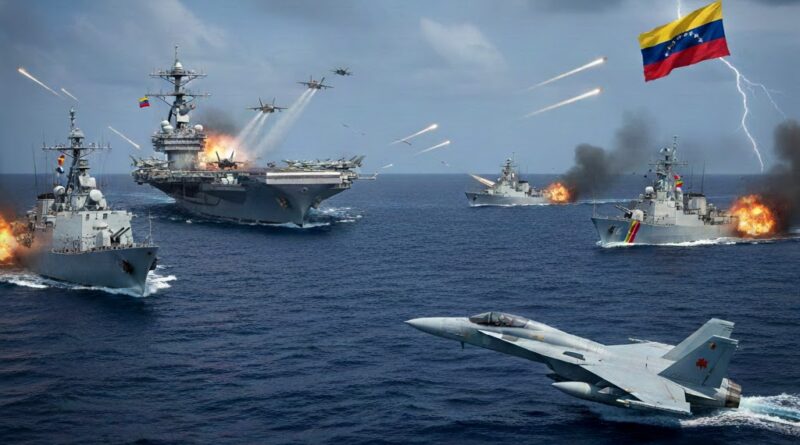
Whats really happening Between Venezuela and US right Now?
In early January 2026, the United States launched a military operation in Venezuela that resulted in the
capture of President Nicolás Maduro, bringing him to the U.S. to face criminal charges.
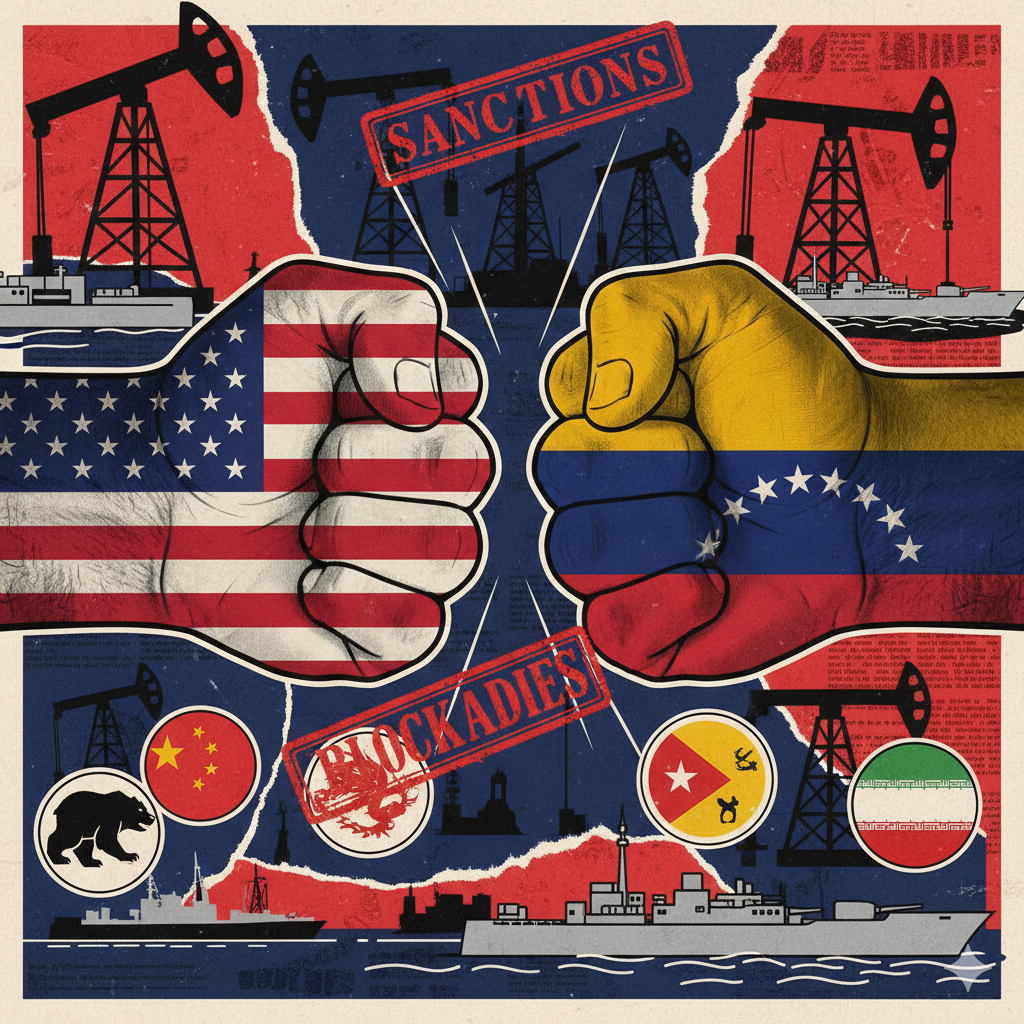
This dramatic escalation followed months of strained relations marked by U.S. sanctions, oil blockades, and
naval interceptions aimed at weakening Maduro’s government.
Venezuela condemned the action as an illegal violation of sovereignty, declared national mourning for
security personnel killed during the raid, and installed Delcy Rodríguez as interim president.
The situation remains deeply tense, with global criticism and geopolitical friction.
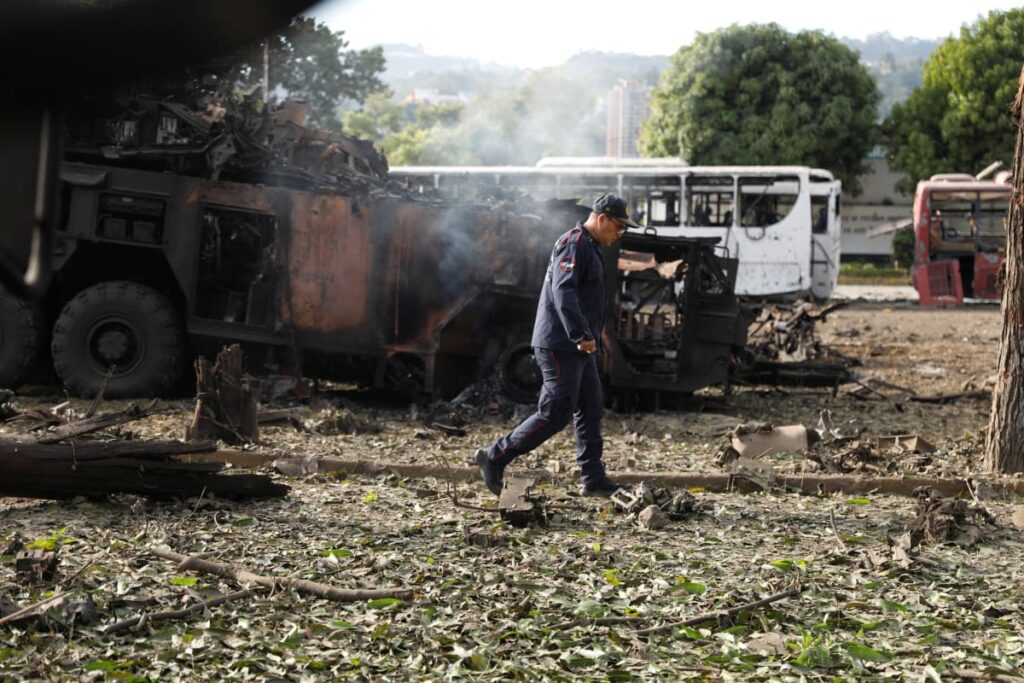
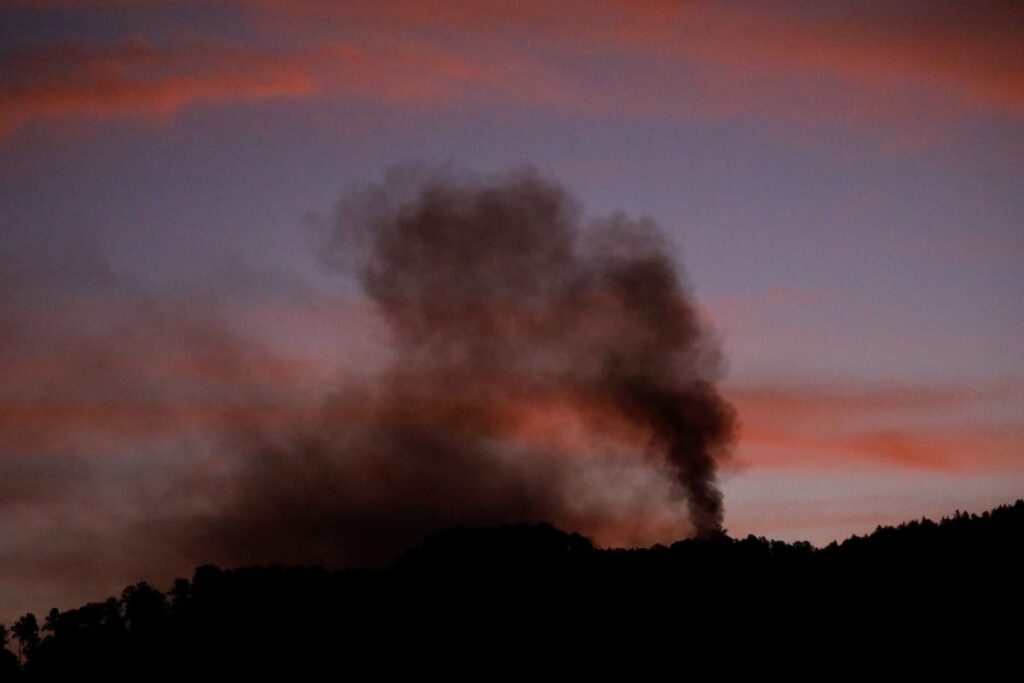
In the early morning of January 3, 2026, the United States launched large-scale military strikes on Venezuela’s
capital, Caracas, and surrounding areas, in an operation named “Absolute Resolve.”
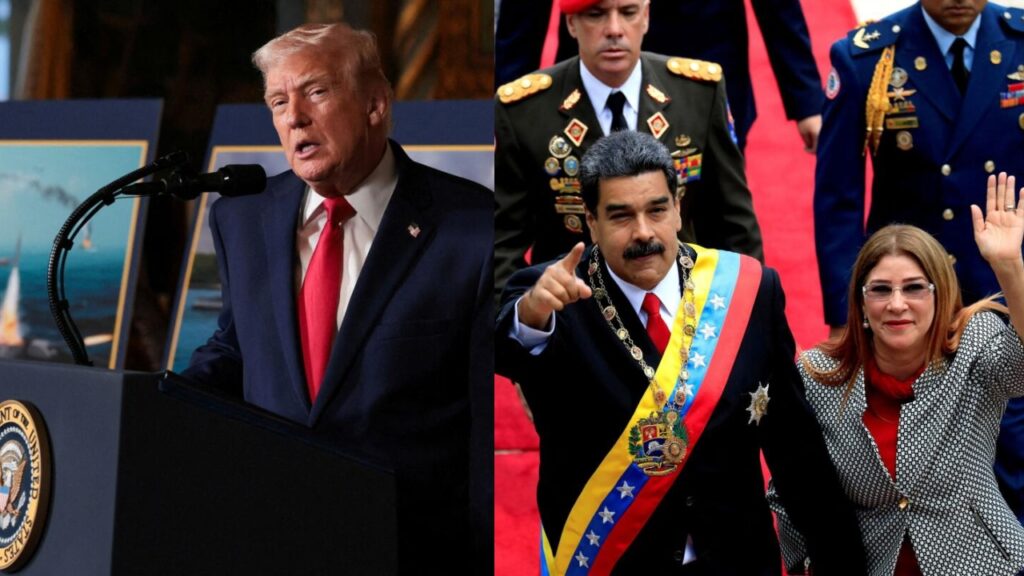
President Donald Trump announced that U.S. forces captured Venezuelan leader Nicolás Maduro and his
wife, Cilia Flores, who were transported to New York and arraigned on charges of narco-terrorism, cocaine
importation conspiracy, and possession of machine guns.
Maduro and his wife pleaded not guilty.
The operation, which involved Delta Force special operations troops and CIA intelligence support, marked a
dramatic escalation of a monthslong pressure campaign that began in September 2025 with U.S. military
strikes on alleged drug-trafficking boats in the Caribbean.
Amid the regime crisis, Vice President Delcy Rodríguez was sworn in as Venezuela’s interim president,
authorities declared a national state of emergency, and security forces began patrolling the streets of Caracas.
Venezuela and US conflict
Tensions stemmed from Venezuela’s disputed 2024 election, where Nicolás Maduro claimed victory despite
evidence showing opposition candidate Edmundo González won overwhelmingly.
The US and many countries recognized González as legitimate; Russia, China, and Cuba backed Maduro. Long-term US sanctions targeted human rights abuses, corruption, and alleged narco-trafficking.
Long-Term Origins (1999–2024)
Relations deteriorated after Hugo Chávez became president in 1999, adopting socialist policies, nationalizing
industries (including oil assets from U.S. companies), and aligning with U.S. adversaries like Cuba, Iran, and Russia.
Under Maduro (2013 onward), authoritarianism intensified: crackdowns on opposition, disputed elections
(e.g., 2018), hyperinflation, mass emigration, and alleged corruption/drug trafficking links.
Escalation Under Trump (2025–2026)
Trump’s second term revived “maximum pressure”
designating Venezuelan groups (e.g., Tren de Aragua, Cartel de los Soles—allegedly linked to Maduro) as terrorist organizations.
Mid-2025: Military buildup in Caribbean; launched Operation Southern Spear (anti-drug campaign, but critics saw regime-change intent).
September 2025: Began airstrikes on alleged drug-trafficking vessels, seizing oil tankers, imposing blockade.
Venezuela and US Conflict Explained
Trump blames Nicolás Maduro for the arrival of hundreds of thousands of Venezuelan migrants in the US.
They are among close to eight million Venezuelans estimated to have fled the country’s economic crisis and repression since 2013.
Without providing evidence, Trump has accused Maduro of “emptying his prisons and insane asylums” and “forcing” its inmates to migrate to the US.
Trump has also focused on fighting the influx of drugs – especially fentanyl and cocaine – into the US.
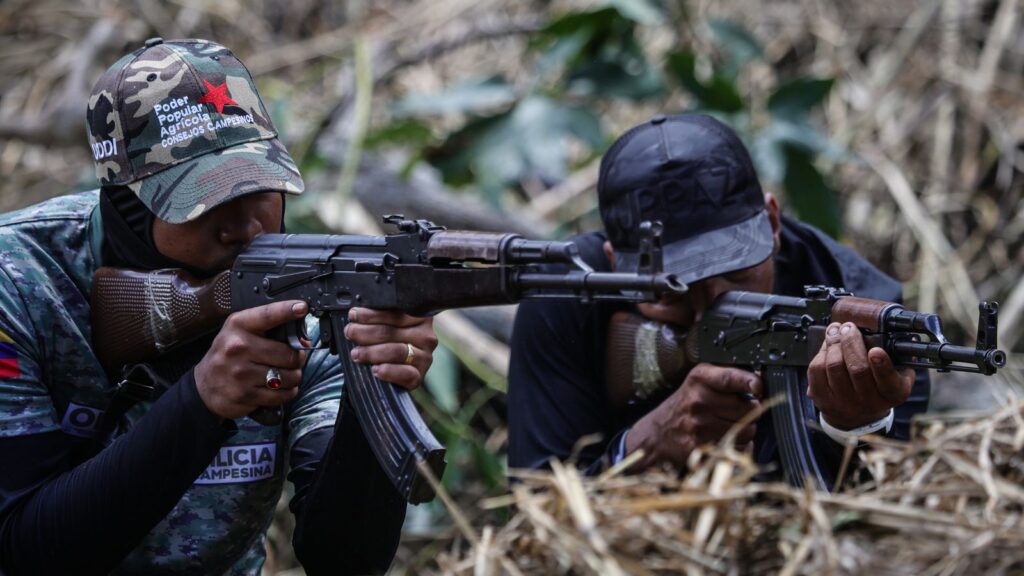
He has designated two Venezuelan criminal groups – Tren de Aragua and Cartel de los Soles – as Foreign Terrorist Organisations (FTOs) and has alleged that the latter is led by Maduro himself.
Analysts have pointed out that Cartel de los Soles is not a hierarchical group but a term used to describe
corrupt officials who have allowed cocaine to transit through Venezuela.
Trump had also doubled the reward for information leading to Maduro’s capture and has announced that he
would designate the Maduro government as an FTO.
Maduro has vehemently denied being a cartel leader and has accused the US of using its “war on drugs” as an excuse to try to depose him and get its hands on Venezuela’s vast oil reserves.
How the US tightened its stance on Venezuela?
There has been a build up of pressure on the Maduro government since Trump began his second term in office last January.
First, the Trump administration doubled the reward it offered for information leading to the capture of Maduro.
In September, US forces began targeting vessels it accused of carrying drugs from South America to the US.
There have been more than 30 strikes on such vessels in the Caribbean and the Pacific since then, killing more than 110 people.
The Trump administration argues that it is involved in a non-international armed conflict with the alleged drug traffickers, whom it accuses of conducting irregular warfare against the US.
Many legal experts say the strikes are not against “lawful military targets”. The first attack – on 2 September –
has drawn particular scrutiny as there was not one but two strikes, with survivors of the first hit killed in the second.
Why US attacked on Venezuela?
A former chief prosecutor at the International Criminal Court told the BBC that the US military campaign
more generally fell into the category of a planned, systematic attack against civilians during peacetime.
In response, the White House said it had acted in line with the laws of armed conflict to protect the US from cartels “trying to bring poison to our shores… destroying American lives”.
Back in October, Trump said he had authorised the CIA to conduct covert operations inside Venezuela.
He also threatened strikes on land against what he described as “narco-terrorists”.
He said that the first of such strikes had been carried out on 24 December, though he gave little detail, just
stating that it had targeted a “dock area” where boats alleged to carry drugs where being loaded.
Prior to Maduro’s capture, Trump repeatedly said that Maduro “is no friend of the US” and that it would be “smart for him to go”.
He also increased the financial pressure on Maduro by declaring a “total naval blockade” on all sanctioned oil tankers entering and leaving Venezuela. Oil is the main source of foreign revenue for the Maduro government.
The US has also deployed a huge military force in the Caribbean, whose stated aim is to stop the flow of fentanyl and cocaine to the US.
As well as targeting vessels they accuse of smuggling drugs, the force has also played a key role in the US naval blockade.
Venezuela and US Conflict Reasons
The conflict escalated dramatically with the U.S. capture of Nicolás Maduro on January 3, 2026.
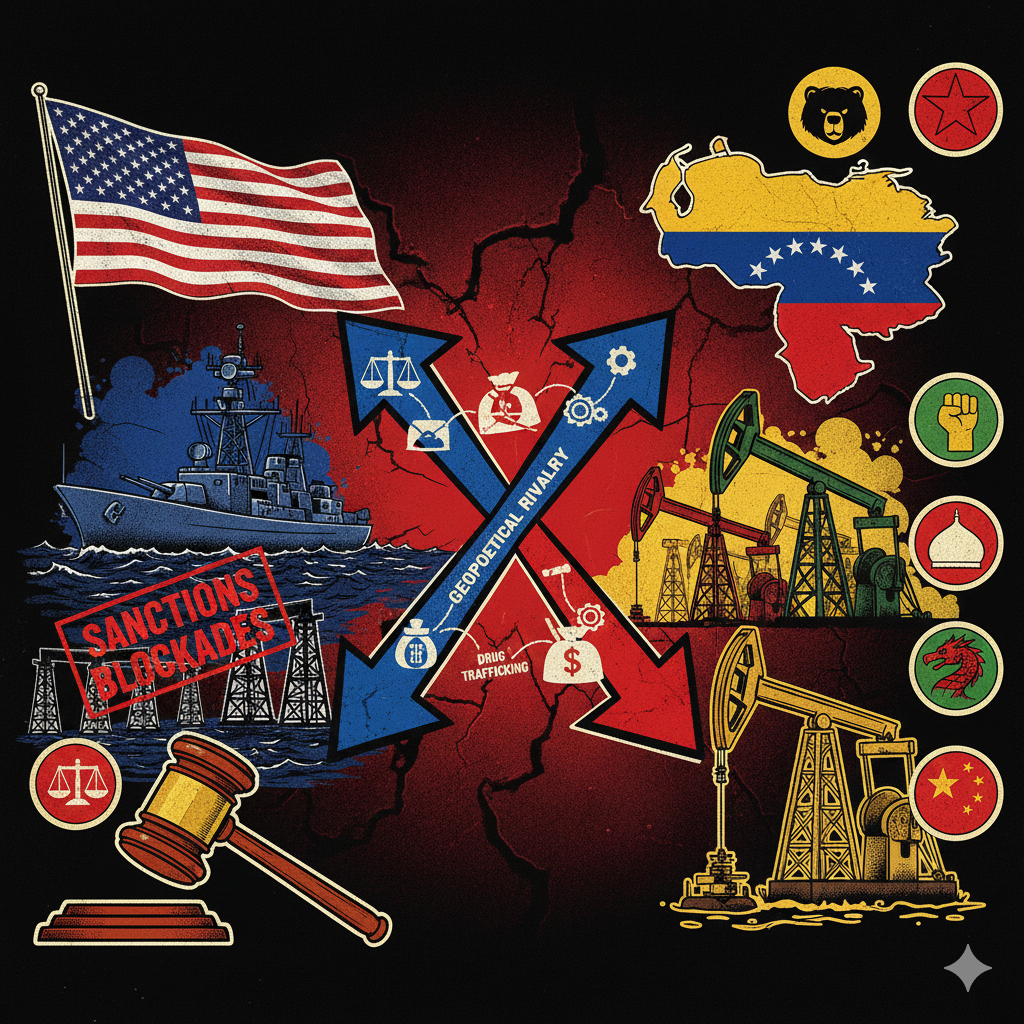
It stems from longstanding tensions but was driven by a mix of security, economic, and political motives under the second Trump administration.
Narco-Terrorism and Drug Trafficking
The U.S. framed the operation as a “law enforcement action” to apprehend Maduro based on 2020
(and updated) indictments for narco-terrorism, cocaine trafficking, and links to groups like Cartel de los Soles and Tren de Aragua
Trump administration officials cited protecting Americans from drugs, with Venezuela accused of state-sponsored trafficking contributing to U.S. overdose crises.
Human Rights and Authoritarianism
Long-term criticisms of Maduro’s regime for repression, corruption, and economic mismanagement that caused a humanitarian crisis and mass migration.
Access to Oil Reserves
Venezuela holds the world’s largest proven oil reserves.
Trump openly stated U.S. companies would modernize infrastructure, reclaim “stolen” assets (from past nationalizations), and control oil flows.
Post-capture, he announced Venezuela would transfer 30–50 million barrels to the U.S., with proceeds for “rebuilding” under U.S. oversight.
Critics and sources describe this as a core driver, blending with anti-drug efforts to disrupt trafficking routes while securing energy interests.
Criticisms and Alternative Views
Many international observers (UN, Latin American leaders, experts) condemn it as illegal regime change violating sovereignty, driven primarily by oil rather than drugs or democracy.
The U.S. sidelined the democratic opposition (e.g., González, María Corina Machado), working instead with Maduro’s former VP Delcy Rodríguez as interim leader, undermining pro-democracy claims.
Venezuela and US Conflict Update
The Venezuela–US conflict has entered a dangerous new phase, moving beyond years of sanctions and diplomatic tension into direct confrontation.
The dispute began over political legitimacy, control of vast oil resources, and Venezuela’s resistance to U.S. influence in the region.
In recent months, U.S. pressure has intensified through sanctions, military actions, and security claims, sharply escalating the crisis.
The current situation has triggered global concern, strong international reactions, and fears of wider regional instability, making it one of the most serious geopolitical flashpoints in the Western Hemisphere today.
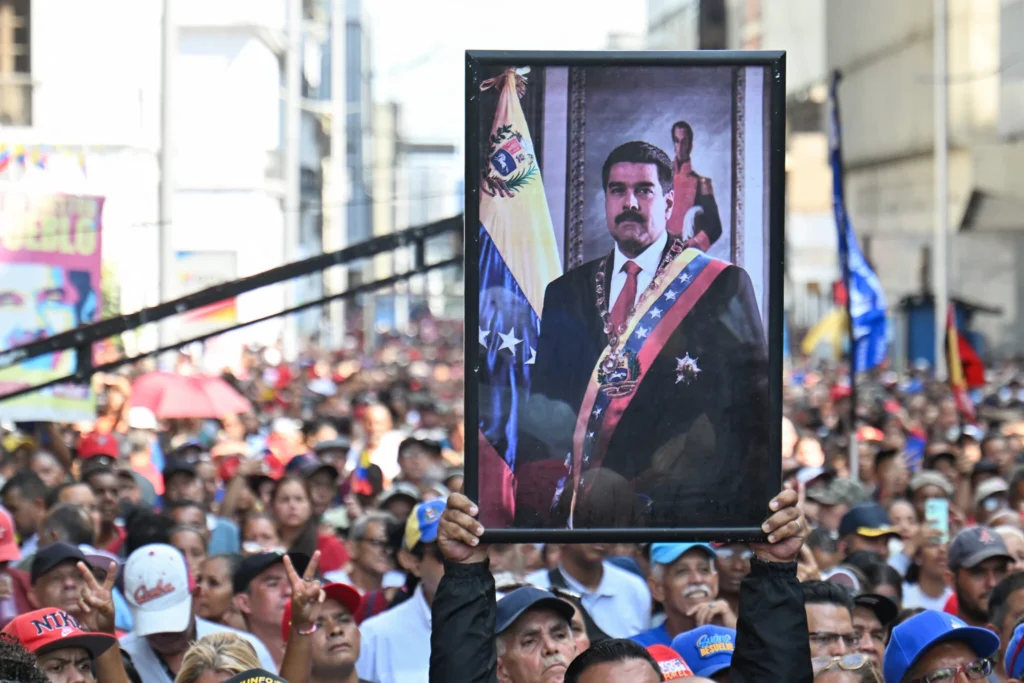
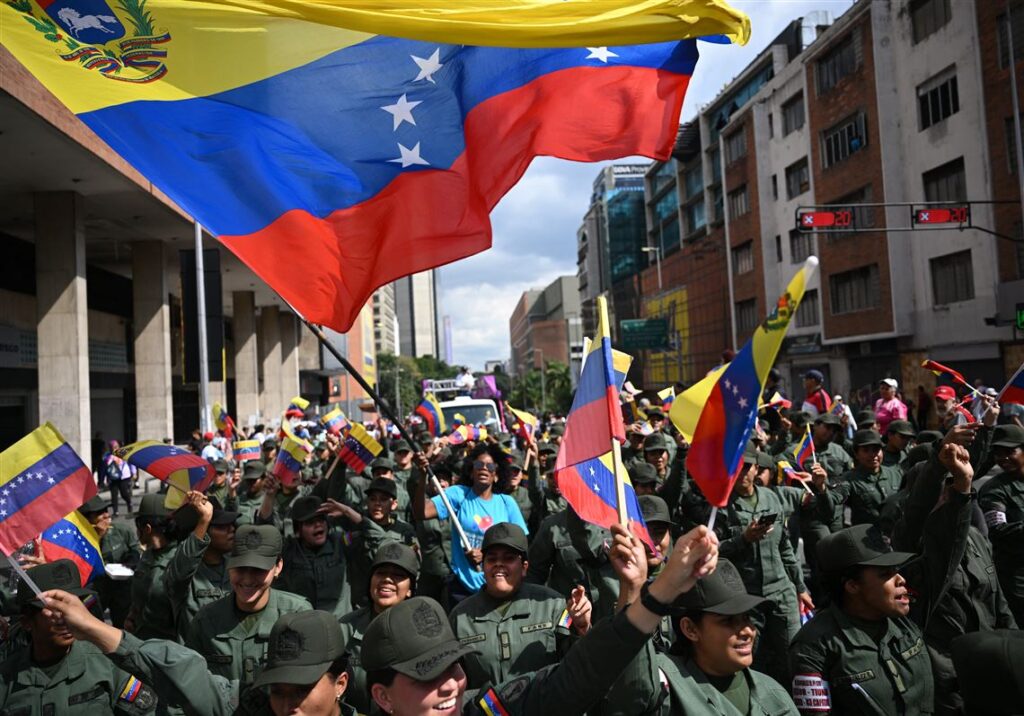
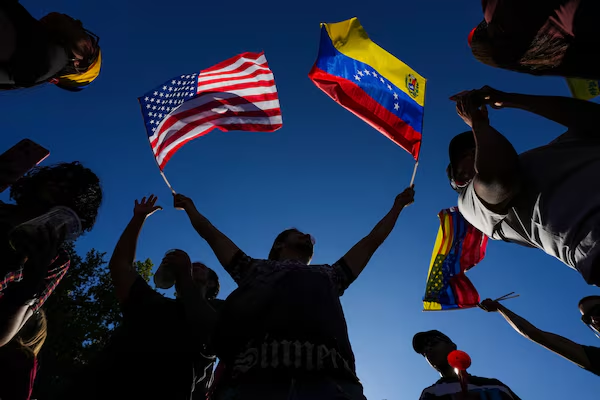
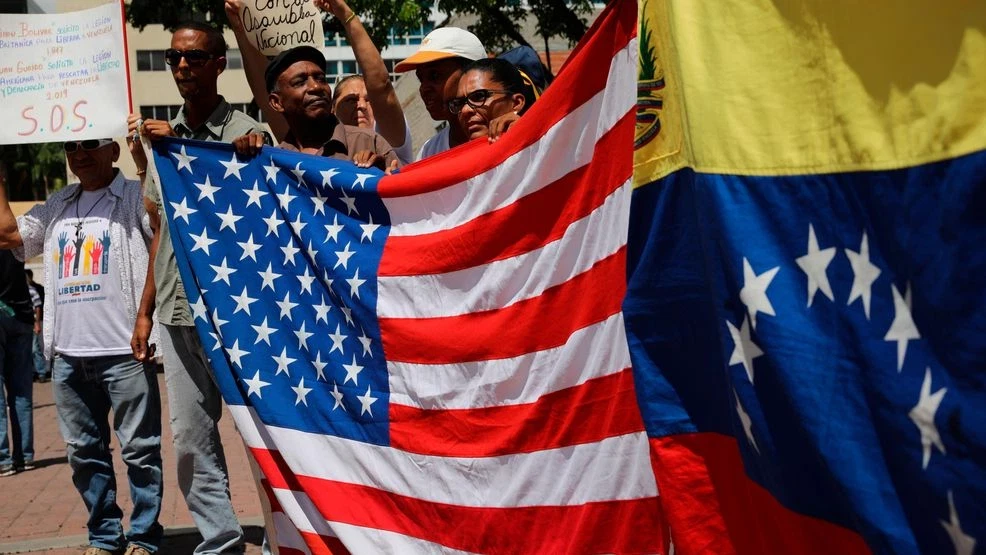
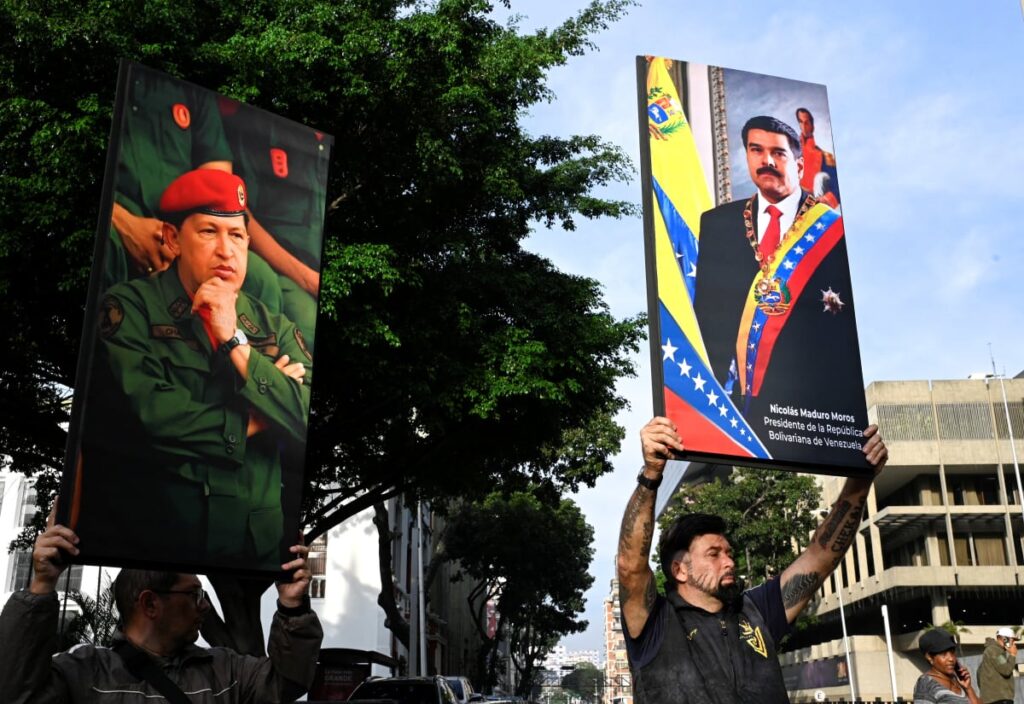
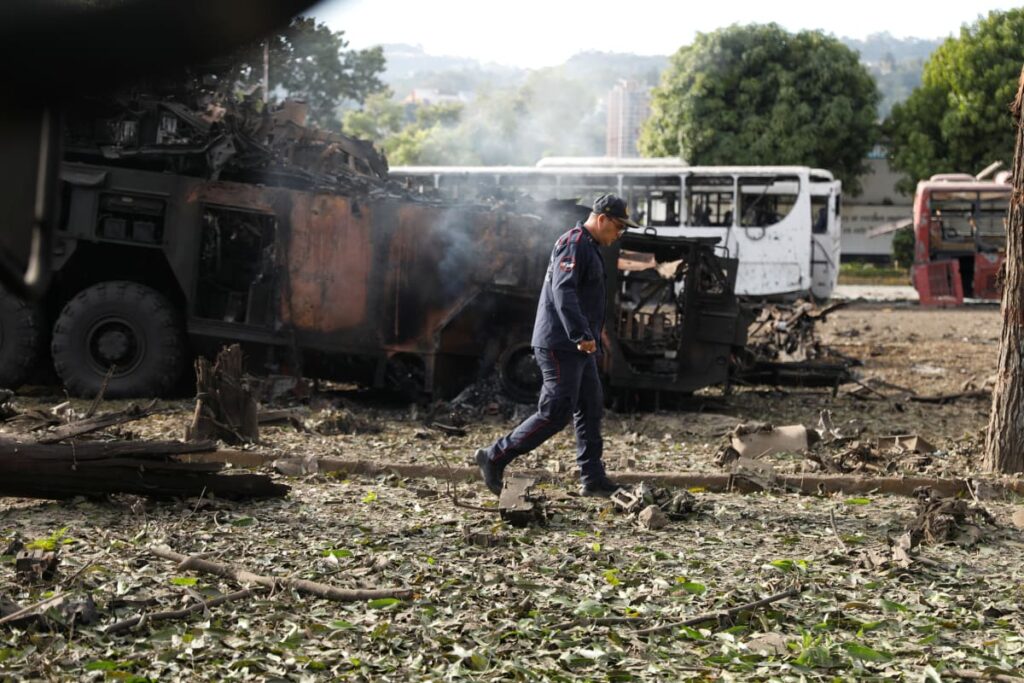
On January 3, U.S. forces conducted airstrikes on infrastructure in northern Venezuela (including areas around Caracas) and executed a special operation to capture President Nicolás Maduro and his wife, Cilia Flores, from their residence
They were flown to New York City, where Maduro faced long-standing federal indictments related to narcoterrorism, cocaine trafficking conspiracies, and weapons charges.
Maduro pleaded not guilty in a Manhattan federal court on January 5, insisting he remains Venezuela’s legitimate president and describing his capture as a “kidnapping” and violation of international law.
President Donald Trump described the action (codenamed Operation Absolute Resolve) as a justified law-enforcement effort backed by military force to address alleged drug trafficking threats to the U.S.
He controversially stated that the United States would “run” Venezuela temporarily, with U.S.
oil companies stepping in to repair and operate the country’s infrastructure (Venezuela holds the world’s largest proven oil reserves, though production has been hampered by years of sanctions, mismanagement, and economic crisis).
Venezuela and US Conflict today Update
- Members of the United Nations Security Council, including US allies, have condemned Washington’s abduction of Venezuelan President Nicolas Maduro.
- The UN rights office has also voiced deep concern over the brazen US operation in Venezuela, warning that it clearly “undermined a fundamental principle of international law”.
- US President Donald Trump has praised the US operation, saying Maduro’s abduction was “brilliant”.
- Trump threatened further military action against Venezuela, as well as against Colombian President Gustavo Petro, who has dismissed the threat as “illegitimate”.
- Venezuela’s army has said that at least 24 soldiers were killed in the US attack on Caracas to abduct Maduro.
- The Cuban government has announced two days of mourning for 32 members of the country’s army, who were also killed in the US strikes on Venezuela over the weekend.
- Reports have emerged of Venezuelan and US officials discussing exporting Venezuelan oil to the United States, a top objective for Trump.
Ecnomic Impact of Venezuela and US Conflict
While it remains uncertain what kind of situation will shake out in Venezuela after the shocking U.S. attack and abduction of its leader, Nicolás Maduro, one thing is clear: President Donald Trump expects his country to be the prime beneficiary.
Mr. Trump has threatened blockades and further military action if Caracas does not open up the Venezuelan economy – particularly its massive oil reserves – to U.S. companies. But his openly imperialist aims could put Washington in conflict with another global power it has accused of having similar designs on Latin America: China.
China is by far the biggest international player in Venezuela, which is home to the world’s largest proven oil reserves. As of late last year, more than 80 per cent of Venezuelan oil exports were heading to China, according to analysis by Reuters.
The January 3, 2026 US military operation and oil export blockade have pushed Venezuela—already suffering an ~80% GDP collapse since the 2010s—toward deeper crisis.
Oil production, which provides ~40% of government revenue, has plummeted from ~1.2 million bpd to potentially under 300,000 bpd, causing severe shortages, business closures, and humanitarian risks.
A recent deal to supply the US with 30–50 million barrels offers temporary relief, but full recovery requires years and massive foreign investment.
The United States gains strategic access to Venezuela’s vast reserves, benefiting refineries and energy firms like Chevron with minimal short-term domestic price impact.
Global oil markets remain stable due to ample supply from OPEC+ and others, limiting worldwide effects. China and Russia face losses in loans and influence, but no major energy shock has occurred.