
The Role of Blockchain Beyond Cryptocurrency

Introduction to Blockchain’s Broader Role
Blockchain technology, originally popularized through cryptocurrencies like Bitcoin, is fundamentally a decentralized, immutable ledger that ensures transparency, security, and trust without intermediaries. By 2025, its applications have expanded far beyond digital currencies, driving efficiency, reducing fraud, and enabling new business models across industries. This growth is fueled by advancements in scalability, interoperability, and integration with technologies like AI and IoT, with projections indicating blockchain could add trillions to global GDP through non-crypto use cases. Recent discussions highlight its role in real-world assets (RWAs), gaming, and privacy-focused solutions.
Key applications and benefits beyond cryptocurrency

Supply chain management:
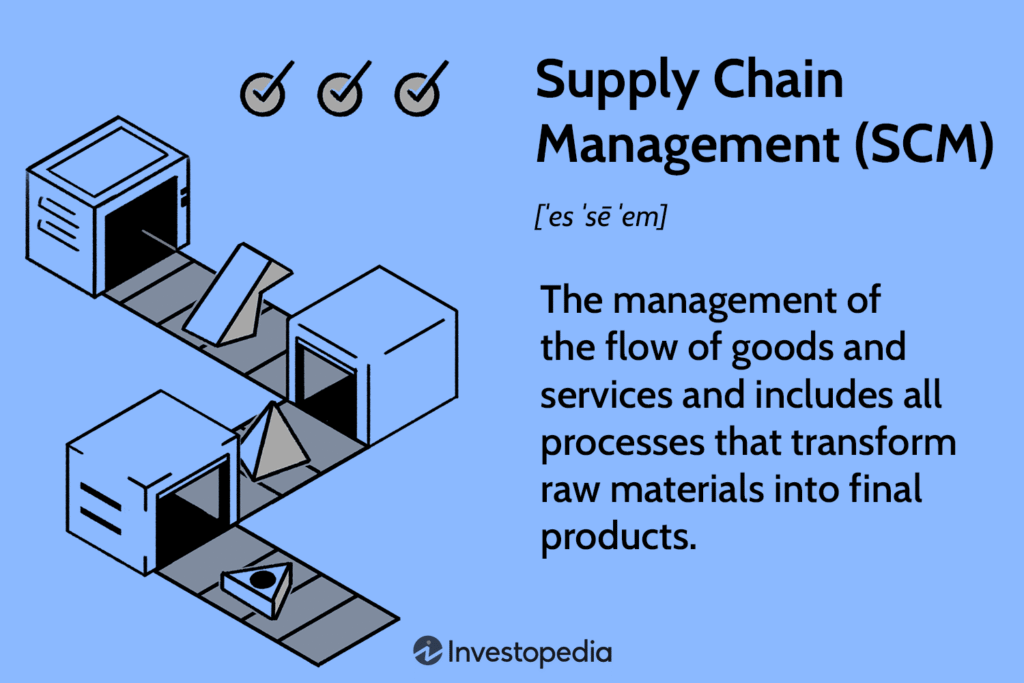
- Blockchain provides an immutable and transparent record of a product’s journey from origin to consumer.
Since you mentioned “its conectivity” previously in the context of 5G and followed up with questions about AI and blockchain, I’m assuming you’re now asking about supply chain management in relation to these technologies, particularly focusing on how blockchain, 5G, and AI enhance connectivity and efficiency in supply chains. If you meant something more specific (e.g., supply chain management in a particular industry or without tech context), please clarify, and I’ll refine the response. Below is a detailed exploration of supply chain management in 2025, emphasizing its integration with blockchain, 5G, and AI to improve connectivity and operations.
Healthcare:
- Blockchain offers solutions for managing sensitive patient data with enhanced security and privacy.
- It creates a secure framework for storing electronic health records (EHRs) and facilitating data sharing with patient consent.
- This approach reduces the risk of data breaches, improves interoperability between systems, and gives patients more control over their health information.
- Smart contracts can automate insurance claims and verify medical staff credentials, streamlining administrative processes.
- Blockchain is also used to track pharmaceuticals, reducing the risk of counterfeit medications.
Intellectual property (IP) and media:
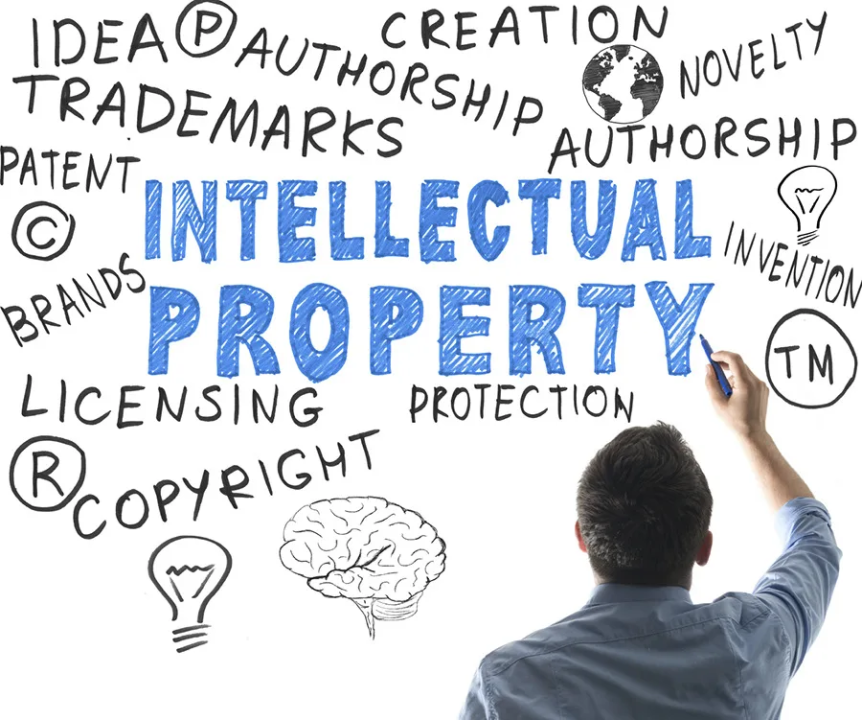
Main Types of IP in Media:
- Copyright – Protects original works of authorship (books, films, music, articles, software, digital content).
- Trademarks – Protects logos, brand names, slogans, and distinctive identifiers of media companies.
- Patents – Protects technological innovations in media production, broadcasting, or streaming platforms.
- Trade Secrets – Protects confidential processes, strategies, or algorithms (e.g., Netflix’s recommendation system).
Importance of IP in Media
- Protection of Creativity: Ensures creators (writers, musicians, filmmakers, digital artists) benefit from their work.
- Revenue Generation: Licensing, royalties, and syndication deals depend on IP protection.
- Brand Building: Trademarks safeguard brand identity (Disney, Warner Bros, Netflix).
- Encourages Innovation: Streaming, VR, AI in media rely on IP protections to attract investment.
Challenges in IP & Media
- Digital Piracy: Illegal streaming, downloads, and file sharing.
- Fair Use vs. Infringement: Complex boundaries in using copyrighted works for commentary, education, or parody.
- Global Enforcement: IP laws vary across countries, making protection difficult.
- AI-Generated Content: Questions of ownership and originality when media is created by machines.
- User-Generated Content: Platforms like YouTube and TikTok face copyright claims daily.
Real-World Examples
- Music Industry: Copyright battles over sampling (e.g., lawsuits between artists for unlicensed music use).
- Film & Streaming: Disney aggressively protects its characters and franchises worldwide.
- Publishing: News outlets use paywalls and copyright claims to safeguard journalism.
- Gaming: Video game companies protect character designs, gameplay mechanics, and trademarks.
Best Practices for Media Professionals

- Register copyrights, trademarks, and patents early.
- Use clear contracts for licensing and distribution.
- Monitor digital platforms for copyright infringement.
- Respect fair use and avoid plagiarism.
- Educate teams on IP compliance in digital content creation.
- Blockchain helps protect creative works in the digital age by providing verifiable records of ownership and transactions.
- Content creators can secure copyright ownership, track usage, and receive direct royalty payments using blockchain and smart contracts.
- It can validate copyright ownership, record copyright-related transactions, and help prevent infringement.
Smart contracts:
- These self-executing contracts automatically enforce the terms of an agreement when certain conditions are met, without the need for intermediaries.
- They streamline processes, reduce costs, and minimize human error in various sectors like real estate, insurance, and trade finance.
- Smart contracts ensure faster payments, enhanced transparency, and greater security in business dealings.
Government and public services:
Government’s Role in Cryptocurrency
Governments worldwide are still figuring out how to deal with cryptocurrency, since it challenges traditional finance systems.
Key government functions regarding crypto:
- Regulation: Setting rules for trading, taxation, and security.
- Monitoring Crime: Preventing money laundering, fraud, and terrorism financing through crypto.
- Tax Collection: Developing methods to tax crypto income, profits, and transactions.
- Consumer Protection: Safeguarding investors from scams and risky exchanges.
Opportunities:
- Faster Transactions: Governments could use blockchain for tax collection, pensions, or welfare payments.
- Transparency: Blockchain can reduce corruption by making government spending more visible.
- Financial Inclusion: People without bank accounts could receive government aid via digital wallets.
- Cost Savings: Lower transaction fees for international aid, remittances, and subsidies.

- Blockchain can improve transparency, efficiency, and accountability in government operations.
- It can be used for secure voter registration and vote casting in e-voting systems, enhancing security and transparency in the electoral process.
- Blockchain can help manage grants, secure government documents, and potentially track energy grid data to fight corruption.
Advantages
- Enhanced security: The decentralized nature of blockchain makes it highly resistant to cyberattacks and data breaches compared to centralized systems.
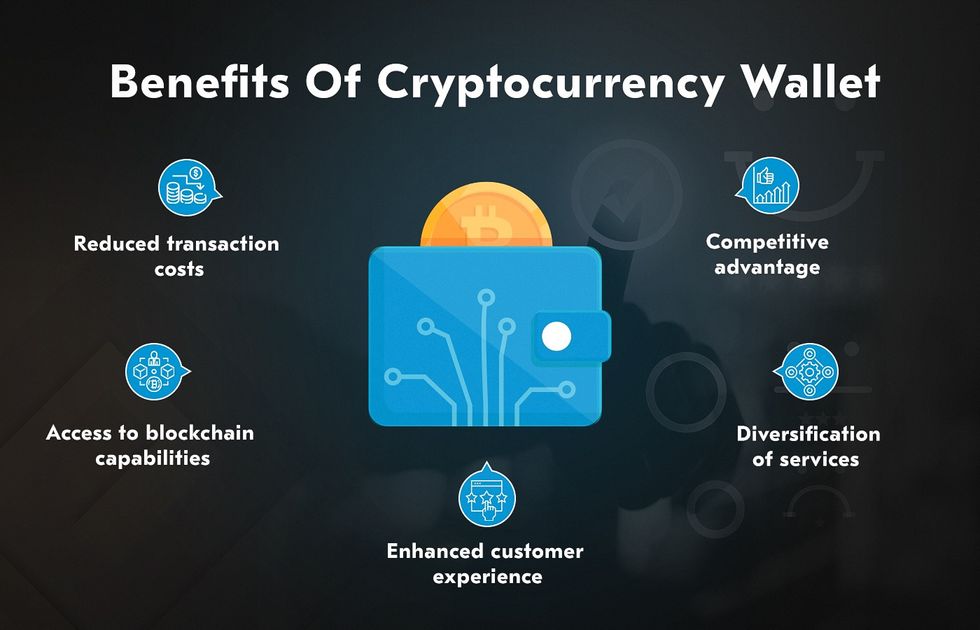
- Greater transparency and trust: Every transaction or piece of data is recorded permanently and transparently, fostering trust and accountability among all authorized parties.
- Cost efficiency: By eliminating intermediaries and automating processes through smart contracts, businesses can reduce operational and legal costs.
- Faster transactions and operations: Smart contracts automate and accelerate processes that typically require manual verification or third-party involvement.
Challenges
- Scalability: Current blockchain networks can struggle with processing large transaction volumes, leading to slower speeds and higher fees.
- Energy consumption: Some blockchain consensus mechanisms, like Proof of Work (PoW), consume vast amounts of energy, raising environmental concerns.
- Lack of understanding and expertise: Many businesses are still unfamiliar with blockchain technology and its applications.
- Regulatory landscape: The regulatory environment for blockchain is still evolving, creating complexities for businesses to navigate.
- The role of blockchain is expanding rapidly beyond its cryptocurrency origins, offering transformative solutions to enhance security, transparency, and efficiency across diverse industries. Continued development is needed to address challenges like scalability and energy consumption for broader adoption.