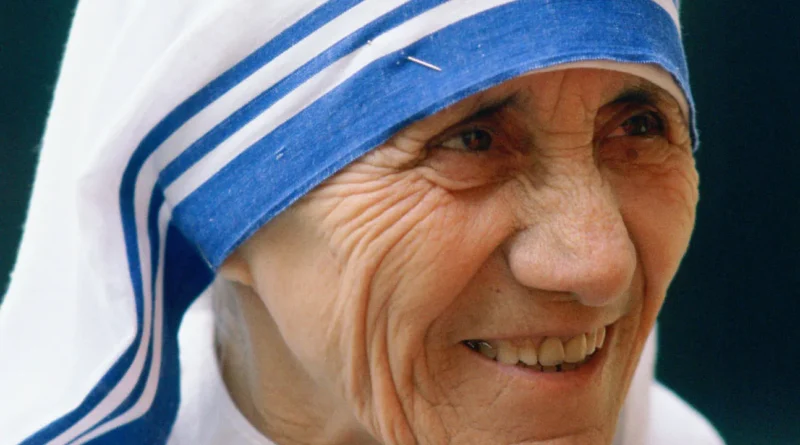
The Life of Mother Teresa
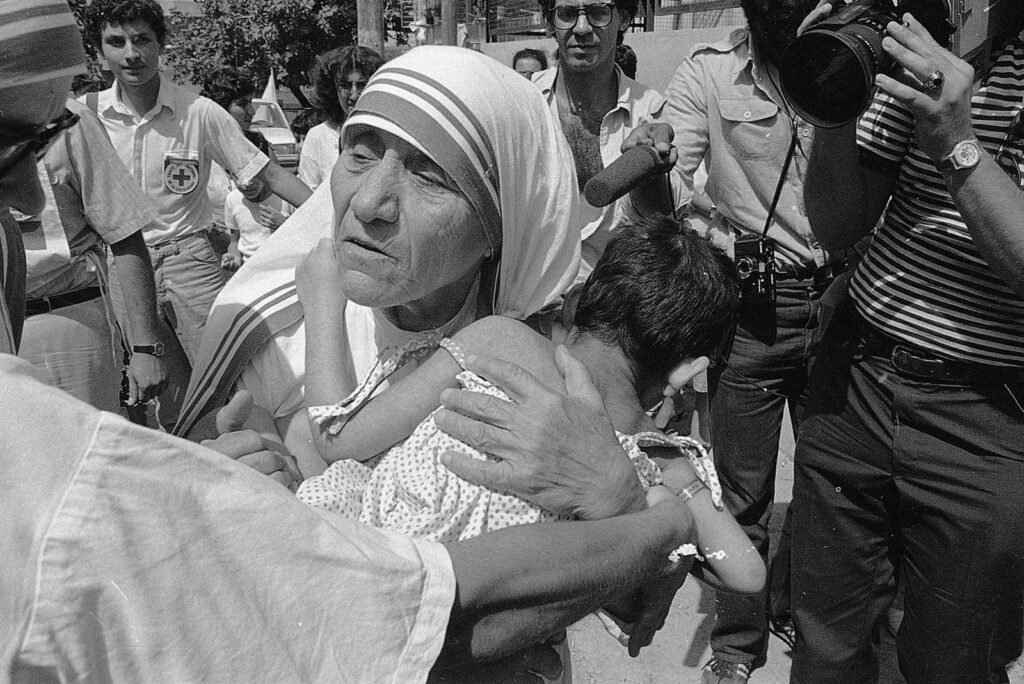
- Birth and Family: Anjezë Gonxhe Bojaxhiu was born on August 26, 1910, in Skopje, now the capital of North Macedonia, then part of the Ottoman Empire. She was the youngest of three children in an ethnic Albanian family. Her father, Nikollë, was a merchant and local politician; her mother, Dranafile, was devoutly Catholic, instilling strong religious values.
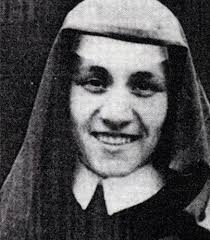
- Religious Awakening: At age 12, Anjezë felt a calling to religious life, inspired by Jesuit missionaries’ stories from Bengal, India. By 18, she decided to become a nun, leaving home in 1928 to join the Sisters of Loreto in Ireland, where she learned English and took the name Sister Mary Teresa, after St. Thérèse of Lisieux.
Life as a Nun of Mother Teresa
- Final Vows and Teaching: She took her final vows in 1937, becoming Mother Teresa. She served as a teacher and later headmistress at St. Mary’s, educating mostly privileged girls but witnessing extreme poverty outside the convent walls.
- Call Within a Call: On September 10, 1946, during a train journey to Darjeeling, Mother Teresa experienced a divine “call within a call” to leave the convent and serve the poorest of the poor directly, living among them. She sought permission from the Vatican, which was granted in 1948 after initial resistance from her order.
Founding the Missionaries of Charity (1948–1950)
- Starting Alone: In 1948, Mother Teresa left the Loreto convent with minimal possessions, adopting a simple white sari with a blue border, symbolizing humility and service. She trained briefly in nursing with the Medical Mission Sisters in Patna and returned to Kolkata to begin her work.
- Missionaries of Charity: In 1950, she founded the Missionaries of Charity, a religious congregation dedicated to serving the “poorest of the poor.” The order’s mission was to provide “wholehearted free service” to those suffering from poverty, disease, and neglect, including orphans, lepers, and the dying.
Global Impact
- International Recognition: Mother Teresa’s work gained global attention. In 1962, she received India’s Padma Shri award, followed by the Ramon Magsaysay Award for Peace and International Understanding in 1962. Her profile soared after a 1969 BBC documentary, Something Beautiful for God, narrated by Malcolm Muggeridge.
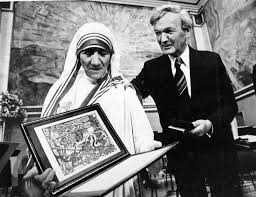
- Nobel Peace Prize: In 1979, she was awarded the Nobel Peace Prize for her humanitarian work, praised for bringing dignity to the destitute. She used the $192,000 prize money to fund her missions, famously stating she accepted the award “in the name of the poor.”
- Global Outreach: She opened homes in regions affected by poverty, war, and disaster, including Ethiopia (famine relief), Lebanon (war victims), and New York (AIDS patients). Her focus remained on direct, personal care, emphasizing love and dignity over systemic change.
Personal Struggles and Faith
Spiritual Darkness: Letters published posthumously in Come Be My Light (2007) revealed Mother Teresa experienced profound spiritual doubt and a sense of God’s absence for decades, starting in the 1940s.
Health Challenges: From the 1980s, Mother Teresa faced heart issues, including a heart attack in 1983 and pacemaker surgery in 1989. She remained active, though her health declined steadily in the 1990s.
Quality of Care: Critics, including journalist Christopher Hitchens and researchers in a 1994 study published in The Lancet, questioned the medical care in Missionaries of Charity homes, citing inadequate pain relief and rudimentary conditions. Mother Teresa prioritized spiritual care and dignity over modern medical standards, which some saw as neglectful.
- Political Associations: She was criticized for accepting support from controversial figures, like Haiti’s Duvalier regime and Indian politicians linked to corruption, in exchange for aid to her missions. Her anti-abortion stance, emphasized in her Nobel speech, also drew criticism from progressive groups.
- Approach to Poverty: Some argued her work romanticized suffering and focused on charity rather than systemic change, potentially perpetuating poverty rather than addressing its root causes.
Final Years and Death (1990–1997)
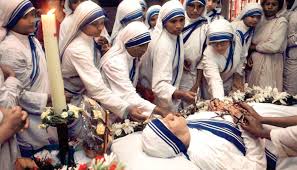
- Death: On September 5, 1997, Mother Teresa died in Kolkata from cardiac arrest at age 87. Her death came days after Princess Diana’s, prompting global mourning. Thousands attended her funeral, including world leaders, and India granted her a state funeral.
- Legacy: At her death, the Missionaries of Charity had over 4,000 sisters, 300 brothers, and thousands of volunteers, operating 610 missions in 123 countries.
- Canonization: Pope Francis canonized her as Saint Teresa of Calcutta on September 4, 2016, after a second miracle was recognized, involving the recovery of a Brazilian man from brain abscesses in 2008.
- Enduring Symbol: Her image as a saintly figure persists, though debates about her methods and legacy continue. She remains a symbol of compassion, inspiring countless humanitarian efforts.
- Missionaries of Charity: By 1997, the order served an estimated 1 million people annually through hospices, orphanages, and clinics.
- Donations: The organization received hundreds of millions in donations, though exact figures are unclear due to limited financial reporting.
- Awards: Mother Teresa received over 120 honors, including the Bharat Ratna (1980), India’s highest civilian award, and the U.S. Presidential Medal of Freedom (1985).
Mother Teresa’s life was a testament to selfless service, driven by an unyielding faith despite personal and external challenges. Her work transformed countless lives, providing dignity to the marginalized, though it sparked debate about its methods and broader impact. Her legacy endures through the Missionaries of Charity and her canonization, cementing her as a global symbol of compassion. For further reading, Mother Teresa: Come Be My Light and Kathryn Spink’s Mother Teresa: An Authorized Biography offer deep insights.
Pingback: Great Leaders of History Who Changed the World - Fact Hub