
The Future Of Virtual Reality and Augmented Reality
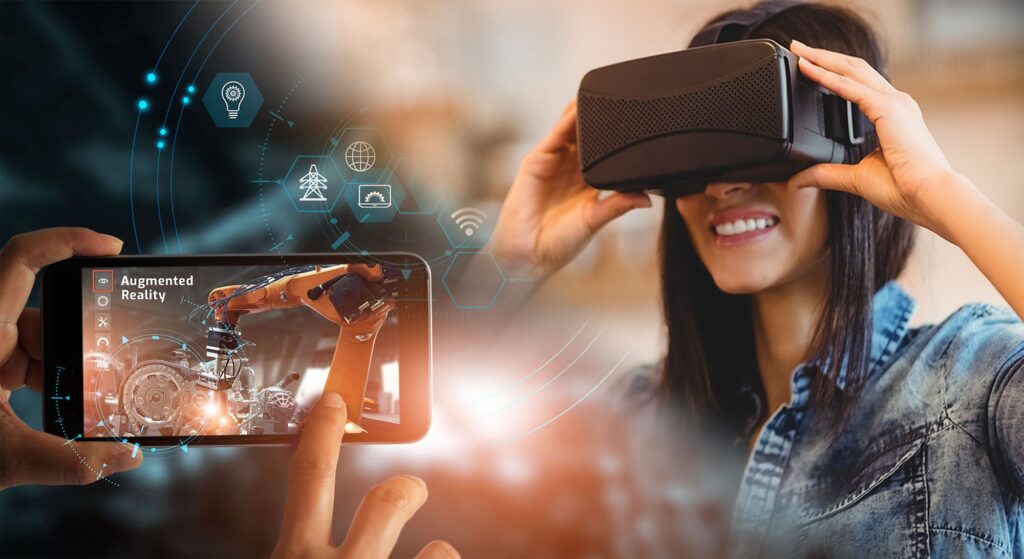
The future of VR and AR involves increasingly lightweight and user-friendly hardware, deeper AI integration, and expansion across sectors like entertainment, remote work, education, and healthcare, driven by advances in optics and display technology. While a significant increase in market value is predicted, challenges remain in areas like hardware design, cost, and the need for “killer applications” to ensure mainstream adoption.
Hardware Innovations:
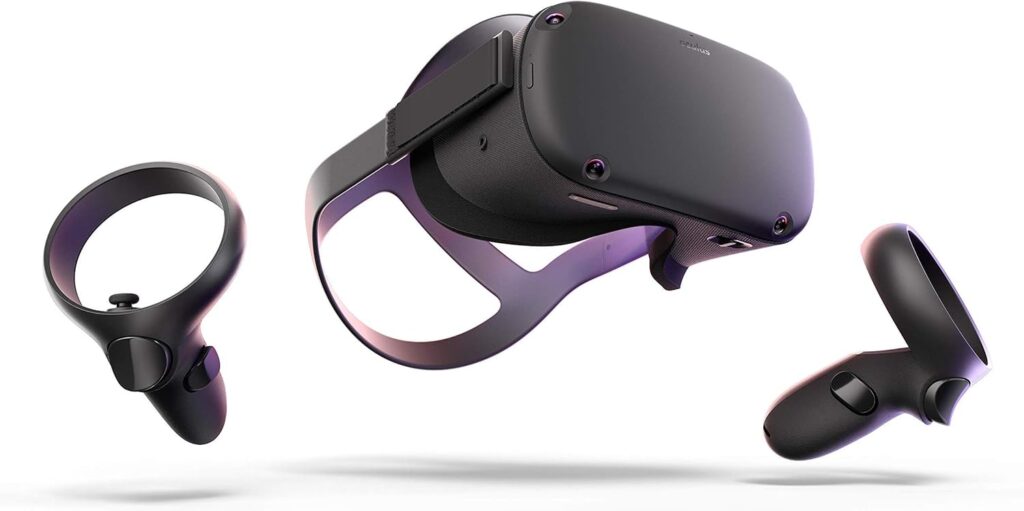
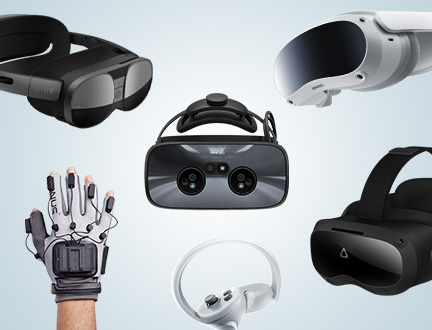
VR/AR devices will become lighter, more comfortable, and more affordable, with advancements in display technology (like micro-OLED) and optics (such as pancake lenses and metasurfaces) improving visual clarity and enabling sleeker designs.

AI Integration:
Artificial Intelligence is set to enhance VR/AR capabilities, leading to smarter training systems and more personalized marketing experiences.
Widespread Industry Adoption:
Education and Training: Realistic simulations for medicine, engineering, and aviation, offering hands-on learning.
Remote Work: Virtual office spaces will enable immersive and collaborative remote work environments.
Healthcare: Applications in diagnostics, surgical training, and patient care are growing.
Manufacturing and Construction: Streamlining operations and designs in these sectors.
Improved User Experience:
The goal is to move beyond clunky devices to tools that are more user-friendly and intuitive, with better computational power and displays.
Cost:
While devices are becoming more accessible, achieving mainstream adoption requires devices at a competitive price point.
The cost of VR (virtual reality) headsets varies widely based on features and performance, with consumer models typically ranging from around $300 to $3,500. Professional and enterprise-grade headsets can cost significantly more, reaching tens of thousands of dollars for specialized applications.
Hardware Design:
“Killer Apps”:
Just as with the internet and smartphones, the success of AR/VR depends on having compelling applications that drive broad consumer interest and usage.
Overcoming Isolation:
In education, the potential for isolation and reduced interpersonal communication needs to be managed.
Market Growth
The AR/VR market is on a significant upward trajectory, with forecasts predicting a rise from tens of billions in 2022 to hundreds of billions by the end of the decade and beyond.
Virtual Reality future
We can expect to witness advancements in AR hardware, with sleeker and more powerful devices that seamlessly integrate into our daily lives. Imagine a future where augmented reality is seamlessly integrated into our homes, workplaces, and even outdoor spaces, enhancing our reality in ways we never thought possible.
Emerging and Combined Technologies
Extended Reality (XR):
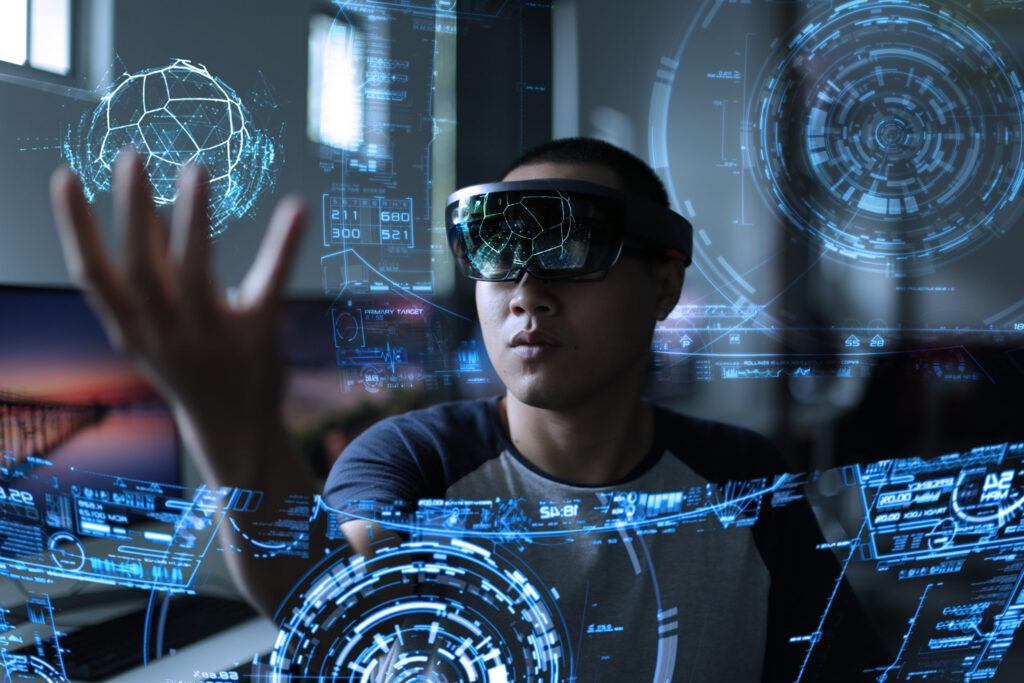
This umbrella term encompasses AR, VR, and mixed reality, indicating a broader integration of technologies that blur the lines between digital and physical worlds.
AR/VR and AI Integration:
The synergy between AI and AR/VR will create powerful new applications, personalizing experiences and enhancing interactions with technology.
In Summary: Preparing for the Future of VR
Preparing for the future of VR involves advancements in hardware, software, and the integration of complementary technologies like AI to create more immersive and personalized experiences. Key developments include more comfortable, lighter, and wireless VR devices, alongside improved haptic feedback for enhanced immersion. The convergence of AI and VR will generate dynamic virtual worlds and intelligent virtual characters, while 5G and cloud computing will enable more seamless, globally accessible, and collaborative virtual experiences. Education, healthcare, and business are also preparing to utilize VR for training, collaboration, and patient care.
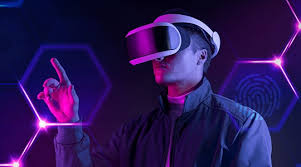
Hardware & Immersion
- Haptic Feedback:Improvements in haptic devices like gloves, body suits, and even VR treadmills will increase sensory immersion.
- Full-Body Tracking:Developments in tracking technology, including cheaper, smaller, and wireless solutions, will enable more natural movement and interaction in virtual environments.
Software & AI Integration
- AI in VR:Artificial Intelligence will generate virtual worlds, create realistic smart characters, and personalize experiences based on user interactions.
- Converging Technologies:5G networks and advanced cloud computing will provide the high processing speeds and accessibility needed for complex, real-time VR and AR experiences.
Future of VR in gaming
The future of VR in gaming involves lighter, more affordable hardware, greater immersion through better visuals and haptic feedback, and integration with AI and AR/MR to create more intelligent and realistic virtual worlds. Challenges like motion sickness and the need for high-end hardware remain, but ongoing advancements are poised to deliver more engaging experiences, cross-platform connectivity, and even fitness-integrated gameplay.
Pingback: Future of smartphones what to expect in 2030 and Beyond - Fact Hub
Pingback: Multi-Modal Combining Text ,Image & Sound for Smarter Learning - Fact Hub
Pingback: The Future of Work: Remote jobs in 2025 - Fact Hub