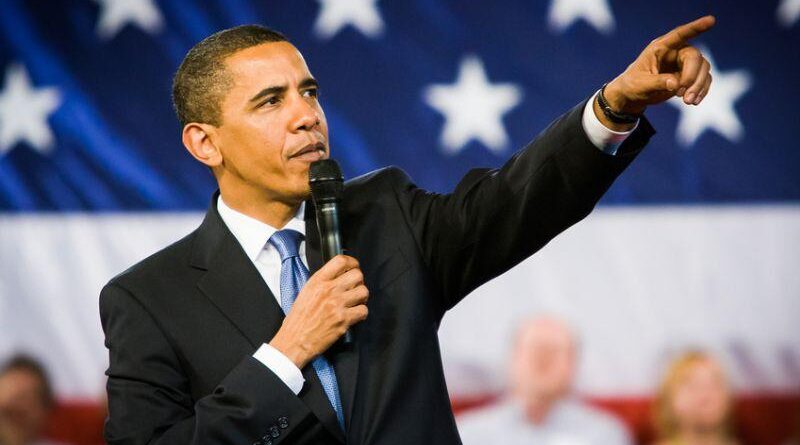
The Charisma of Barack Obama
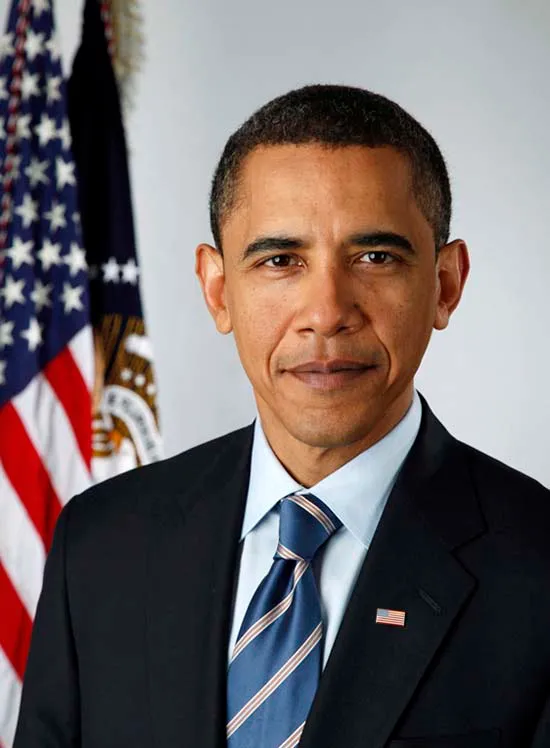
Barack Obama’s charisma stems from a combination of rhetorical skill, emotional intelligence, and an inspiring personal narrative that resonated with millions.
Oratorical Mastery
Obama’s speeches, such as his 2004 Democratic National Convention keynote address, captivated audiences with their eloquence and optimism. His ability to weave personal stories with broader American ideals—like hope, unity, and change—made him a compelling figure. For example, his “A More Perfect Union” speech (March 2008) addressed race with nuance, defusing controversy while reinforcing his moral authority.
Relatability and Authenticity
Raised by a single mother in Hawaii and Indonesia, Obama’s diverse background—biracial, with a Kenyan father and Kansas-born mother—allowed him to connect with varied audiences. His candid discussions of his struggles, including in his memoir Dreams from My Father (1995), humanized him, while his cool, composed demeanor appealed to younger voters.
Inspirational Vision
Obama’s 2008 campaign slogan, “Yes We Can,” and his message of hope galvanized a generation. His ability to inspire, particularly among young and minority voters, was evident in record turnout: 66.1% of eligible Black voters participated in 2008, up from 60.3% in 2004 (U.S. Census Bureau).
Media Savvy
Obama leveraged modern media, including social platforms like MySpace and early Twitter, to engage voters directly. His campaign’s digital strategy, led by figures like David Plouffe, mobilized grassroots support, raising $750 million, much through small donations.
Emotional Intelligence
Obama’s calm under pressure, seen in debates and during economic crises, projected steady leadership. His ability to listen and empathize, paired with a self-deprecating humor, made him approachable yet authoritative.
Journey from Senator to President
1.Early Life and Career (1961–1996):
Born August 4, 1961, in Honolulu, Hawaii, Obama graduated from Columbia University (1983) and Harvard Law School (1991), where he was the first Black president of the Harvard Law Review. This role elevated his profile.His memoir, Dreams from My Father, published in 1995, established his narrative as a bridge between diverse American experiences.
2.Illinois State Senator (1997–2004):
His 2004 Senate campaign gained national attention after his DNC speech, where he declared, “There’s not a liberal America and a conservative America—there’s the United States of America.” This unity message propelled him to a landslide victory (70% of the vote) for the U.S. Senate.
3.U.S. Senator (2005–2008):
As a junior senator from Illinois, Obama served on committees like Foreign Relations and Veterans’ Affairs. He co-sponsored bipartisan legislation, such as the Lugar-Obama Act (2006) on nonproliferation, enhancing his credibility.positioned him as a principled critic of Bush-era policies, appealing to war-weary voters.
4.2008 Presidential Campaign:
Obama announced his candidacy in February 2007, entering a crowded Democratic primary against Hillary Clinton and others. His charisma, youth (46 years old), and message of change contrasted with Clinton’s establishment credentials.After securing the Democratic nomination in June 2008, Obama faced Republican John McCain. The global financial crisis in September 2008 amplified his economic message, and his composed response contrasted with McCain’s perceived erratic moves (e.g., suspending his campaign).Obama won with 365 electoral votes to McCain’s 173, carrying 53% of the popular vote. He won diverse states, including swing states like Ohio and Florida, driven by high turnout among Black, young, and first-time voters.
5.Historic Presidency (2009–2017):
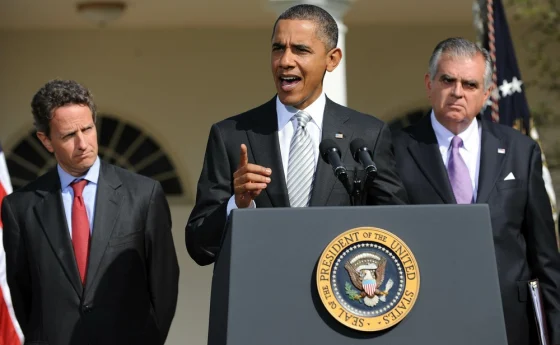
Inaugurated on January 20, 2009, Obama became America’s first Black president, a milestone symbolizing progress on racial equality. His inauguration drew an estimated 1.8 million people to Washington, D.C.Foreign policy highlights included the killing of Osama bin Laden (2011) and the Iran nuclear deal (2015), though critics pointed to mixed outcomes in Iraq and Syria.His charisma sustained public support, with approval ratings averaging 47.9% over two terms (Gallup), despite polarized politics.
Critical Perspectives
- Racial Dynamics: As the first Black president, Obama faced heightened scrutiny and racism, from “birther” conspiracies to obstructionist opposition. His measured approach to race issues frustrated some activists who sought bolder action.
- Political Challenges: His reliance on grassroots momentum didn’t always translate to legislative success, and the 2010 midterm losses weakened Democratic control. Critics also noted his administration’s expansion of drone strikes and surveillance programs.
Broader Impact
- Cultural Significance: Obama’s election reshaped perceptions of race in America, inspiring minority youth and global audiences. His family—Michelle, Malia, and Sasha—became cultural icons, projecting a modern, relatable image.
- Political Legacy: He redefined Democratic campaigning, emphasizing digital organizing and small-donor fundraising. His presidency paved the way for diverse candidates, though it also sparked a backlash, evident in the 2016 election.
Barack Obama’s charisma—rooted in eloquence, authenticity, and hope—propelled him from an Illinois state senator to the first Black U.S. president in just over a decade. His journey reflects strategic brilliance, cultural resonance, and an ability to navigate complex political landscapes. While his presidency faced challenges and criticism, his impact on American politics and global perceptions endures. For deeper insights, sources like The Audacity of Hope (2006) or David Maraniss’s Barack Obama: The Story offer rich context.