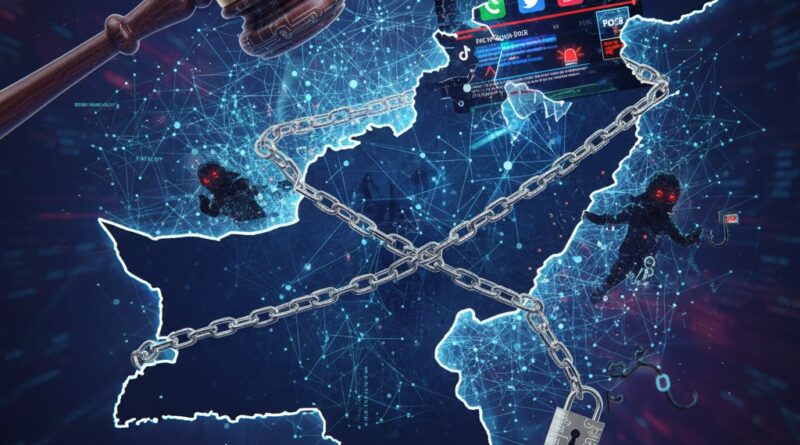
Social Media Regulation in Pakistan and cyber crime Loose
Social Media Regulation in Pakistan
Pakistan’s approach to social media regulation has intensified in recent years, particularly with the 2025 amendments to the Prevention of Electronic Crimes Act (PECA).
Originally enacted in 2016 to address cyber threats, PECA has evolved into a comprehensive framework for controlling online content, often criticized for prioritizing state control over free expression.
The 2025 updates, signed into law by President Asif Ali Zardari on January 29, 2025, expand government oversight amid rising concerns over misinformation, national security, and political dissent.
Social Media Regulation in Pakistan
Social media in Pakistan is primarily governed by the Prevention of Electronic Crimes Act (PECA) 2016,
which has been amended to include regulations for content moderation, with the “Removal and Blocking of Unlawful Online Content” rules 2021,
and the establishment of a Social Media Protection and Regulatory Authority in 2025. These laws criminalize activities like cyberstalking, online fraud, defamation, and hate speech,
and allow for the removal of “unlawful” or “offensive” content, though some provisions, particularly those related to disinformation, have faced criticism for being vague or potentially restrictive of free expression.
Traditional laws, such as defamation under the Pakistan Penal Code, also apply to online content.
Rights and challenges
Freedom of expression
The Constitution of Pakistan guarantees freedom of expression, but it is subject to “reasonable restrictions,” which these laws aim to enforce.
Criticism:
Some of the rules, particularly those regarding disinformation and the broad definitions of “unlawful” content, have been criticized by human rights groups for potentially restricting free speech and being used selectively against government opponents.
Implementation:
The enforcement of these laws has been inconsistent, leading to criticism of selective implementation. Blanket bans on platforms like X (formerly Twitter)
Online Freedom of Speech Pakistan
Online freedom of speech in Pakistan is significantly restricted due to laws like the Prevention of Electronic Crimes Act (PECA) and the influence of regulations from bodies like the Pakistan Electronic Media Regulatory Authority (PEMRA).
While the constitution guarantees freedom of speech, these laws, particularly the 2021 “Removal and Blocking of Unlawful Online Content” rules and amendments in 2025, are often used to censor criticism of the government and military, leading to curbs on internet content, website blocks, and the potential for severe penalties for online expression.
Cyberbullying in Pakistan
Cyberbullying is a significant and escalating issue in
Pakistan, primarily affecting youth and women, with severe psychological impacts.
It is addressed under the Prevention of Electronic Crimes Act (PECA) 2016, but challenges in awareness and enforcement persist.
Impact:
Victims often experience severe psychological distress, including depression, anxiety, low self-esteem, social isolation, and in extreme cases, suicidal thoughts. Societal stigma and the fear of bringing “dishonor” to their families often prevent victims, especially women, from reporting the abuse.
Legal Framework and Reporting
Section 20 (Offenses Against Dignity):
Punishable by up to three years imprisonment and/or a fine of up to PKR 1 million for harming a person’s reputation.
Section 21 (Unauthorized Use of Intimate Images):
Punishable by up to five years imprisonment and a fine of up to PKR 1 million.
Section 24 (Cyberstalking):
Punishable by up to three years imprisonment and a fine.
Online Portal: https://complaint.fia.gov.pk
Email: helpdesk@nr3c.gov.pk
Helpline: 9911 or 1991 (during working hours)
In-person: Visit a nearby FIA Cyber Crime Reporting Centre
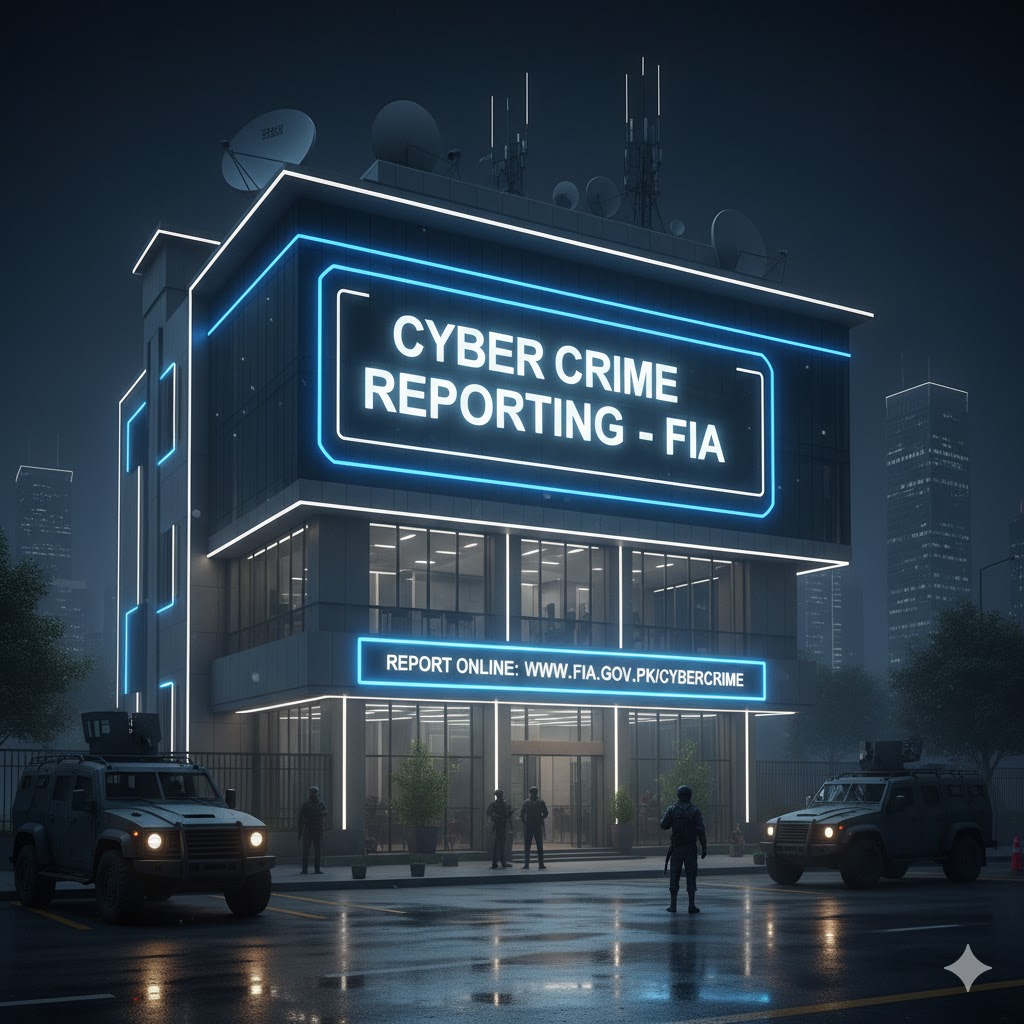
Cyber Crime Reporting FIA
To report a cybercrime to the Federal Investigation Agency (FIA) in Pakistan, victims can use their online portal, email, helpline, or visit a local office.
The FIA’s Cyber Crime Wing (CCW) handles investigations under the Prevention of Electronic Crimes Act (PECA) 2016.
Methods
Online Portal:
File a complaint through the official FIA complaint portal by filling out the required form and providing detailed information and evidence.
Email:
Send a detailed written complaint, including your name, CNIC (National Identity Card) number, address, contact number, and all relevant evidence, to helpdesk@nr3c.gov.pk or complaints@fia.gov.pk.
Helpline:
Call the FIA cyber helpline at 1991 or 051-111-345-786 during working hours (Monday to Friday, 8:00 AM to 4:00 PM) for assistance or to check the status of an existing complaint.
How to Identity Theft Online
You can identify online identity theft by actively monitoring your financial statements, credit reports, and personal accounts for unusual activity.
Being vigilant for warning signs is crucial for early detection.
Warning Signs
Unusual financial activity:
You notice unrecognised charges or withdrawals on your bank and credit card statements.
Missing mail/bills:
Your regular bills or account statements stop arriving, which may indicate a thief has changed your billing address to intercept information.
Calls from debt collectors:
You receive calls or letters from debt collection agencies about debts you don’t recognize or accounts you didn’t open.
Government notices:
You receive notification that more than one tax return has been filed in your name, or that you’re receiving benefits you never applied for.
Data breach notifications:
You receive an alert that your information was exposed in a data breach at a company where you have an account or do business.
Social Media Content Moderation
Social media content moderation is the practice of monitoring, filtering, and managing user-generated content on online platforms to ensure compliance with a platform’s rules, community guidelines, and legal obligations. The goal is to cultivate a safe and positive online environment while upholding community standards.
Common Forms of Harmful Content Moderated
Hate Speech and Harassment:
Content that promotes violence, discriminates against, or attacks individuals or groups based on protected characteristics.
Misinformation and Disinformation:
False or misleading information, especially regarding public health (e.g., COVID-19 claims), elections, or safety.
Graphic Violence:
Depictions of gore, extreme violence, or self-harm.
Illegal Content:
Material related to child exploitation, terrorism, human trafficking, or the sale of illegal goods.
Spam and Scams:
Unsolicited commercial content, phishing attempts, and fraudulent schemes.
Cyber Terrorism Pakistan
Cyber terrorism is a significant and growing concern in
Pakistan, involving the use of cyberspace to intimidate, coerce, or create panic for political, ideological, or religious goals.
It is addressed under the legal framework, notably the Prevention of Electronic Crimes Act (PECA) 2016
with enforcement by the Federal Investigation Agency (FIA) and the newly established National Cyber Crime Investigation Agency (NCCIA).
The Pakistani government has established following framework to combat cyber terrorism:
Prevention of Electronic Crimes Act (PECA) 2016:
Provides the legal basis for prosecuting cyber terrorism, with a maximum penalty of 14 years imprisonment and a fine of up to PKR 50 million.
National Cyber Security Policy 2021:
Outlines a comprehensive strategy for cyber governance, infrastructure protection, and international collaboration.
It designates an attack on CII as an act of aggression against national sovereignty.
The Federal Investigation Agency (FIA) Cyber Crime Wing
handles the investigation and prosecution of cybercrimes. Complaints can be lodged via the FIA complaint portal or helpline 1991.
The National Cyber Crime Investigation Agency (NCCIA)
was established as a specialized agency to investigate cyber crimes, though initial reports suggest challenges with institutional implementation and internal issues.
Social Media of Pakistan
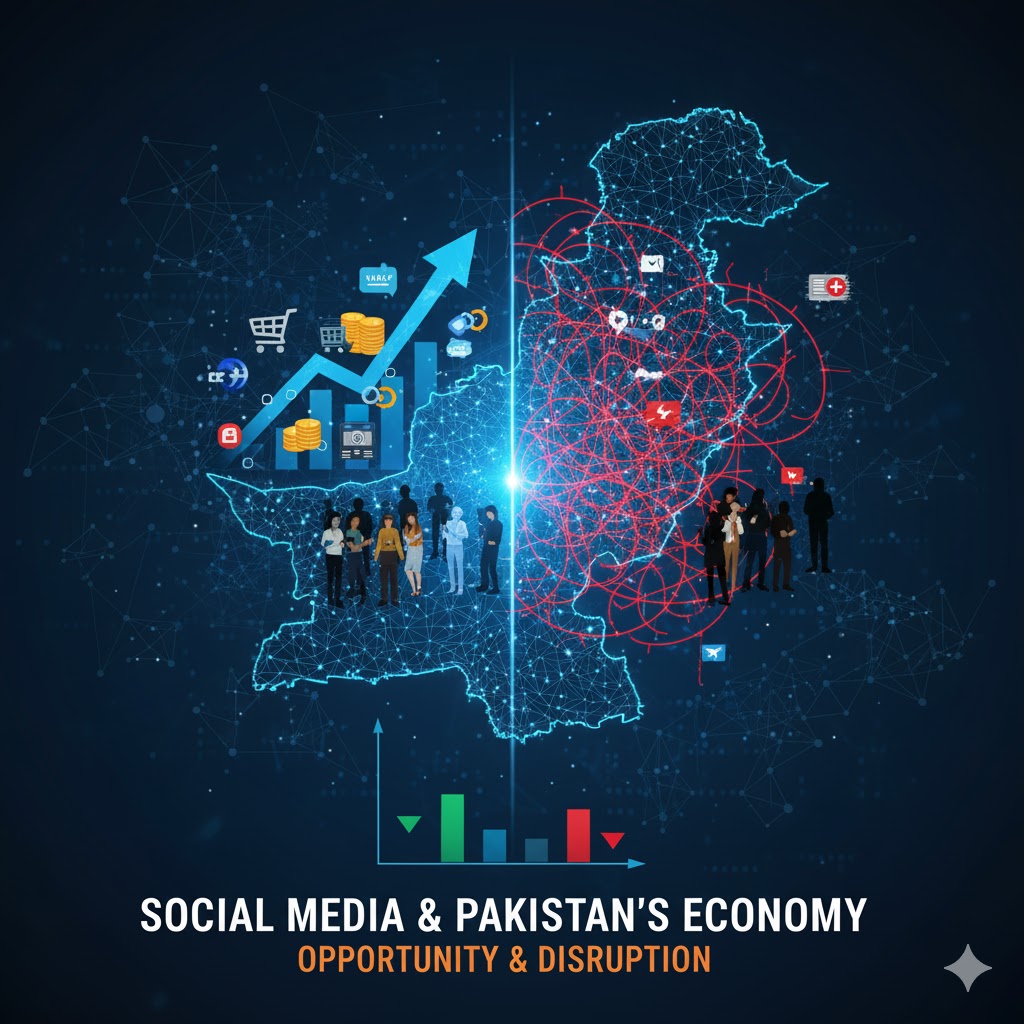
Social media has a significant presence in Pakistan, with over 66.9 million user identities as of January 2025. The landscape is dynamic, with platforms like TikTok, YouTube, and Facebook having the largest user bases, and others like Snapchat and LinkedIn showing significant growth.
| Platform | Estimated Users (Millions) | Primary Use & Demographics |
|---|---|---|
| TikTok | ~66.9 million (users aged 18+) | Hugely popular among youth for short-form video content, self-expression, and viral trends. |
| YouTube | ~55.9 million | The leading video-sharing platform used for entertainment, education, and content creation across all age groups. |
| ~49.4 million | Widely used across different age groups for general social networking, community building, and business/e-commerce. | |
| Snapchat | ~37.5 million | Popular with a younger demographic for its ephemeral and interactive features. |
| ~18.8 million | A visually-focused platform, especially popular among youth and influencers for lifestyle, fashion, and e-commerce. | |
| ~15.0 million | The go-to professional networking site for career development, job searches, and B2B connections. | |
| X (formerly Twitter) | ~1.99 million | A niche platform crucial for real-time news updates, political discourse, and journalism. |
Growing Digital Penetration:
Internet usage is increasing, with over 116 million internet users at the start of 2025.
The rise of smartphones and affordable data has been a key driver.
Video Dominance:
Short-form video content on platforms like TikTok and Instagram Reels is a dominant trend, driving high user engagement.
E-commerce Integration:
Social commerce is expanding rapidly, with platforms integrating shopping features and live-stream events to facilitate direct sales.
Regulatory Challenges:
Despite a large user base, most major social media companies lack local physical offices in Pakistan, creating challenges for regulatory compliance, content moderation, and tax collection.
This often leads to government-imposed bans when platforms do not adequately address local concerns.
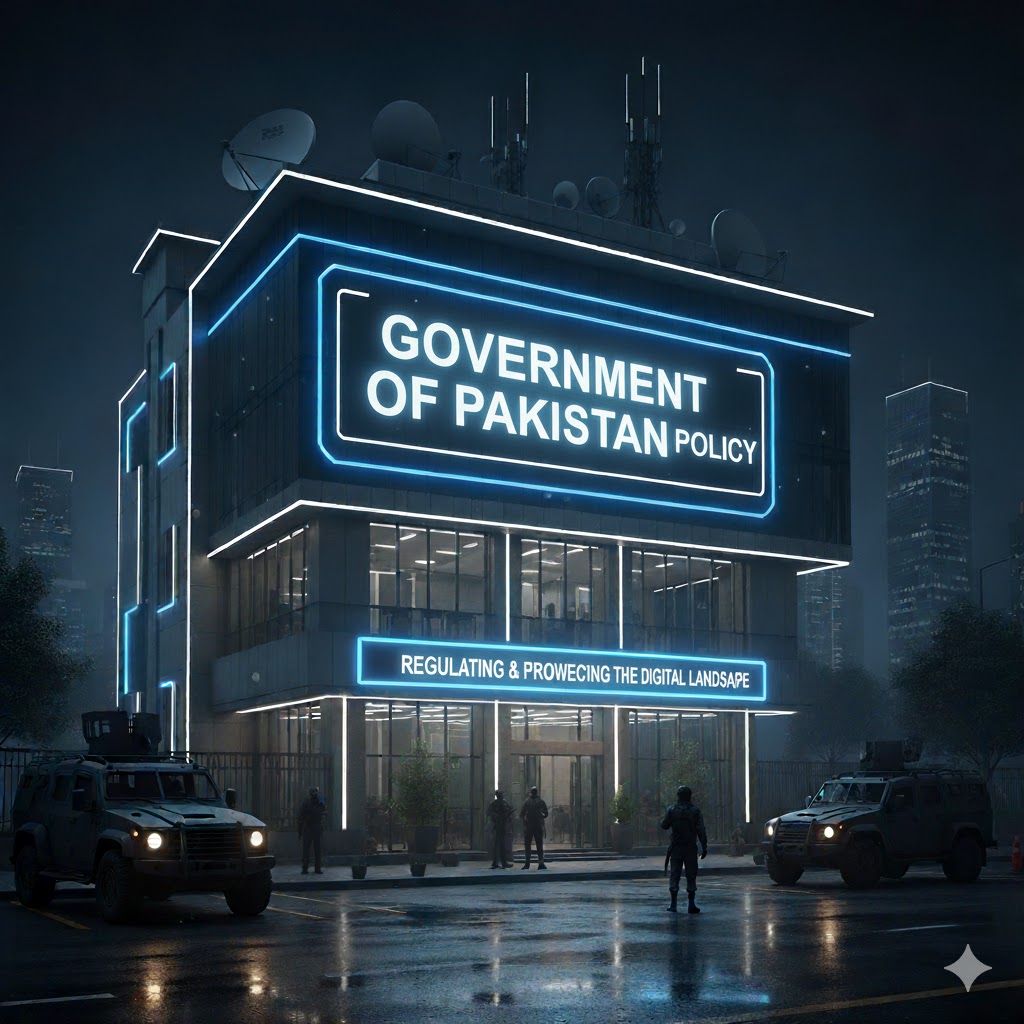
Government of pakistan policy about this:
The Government of Pakistan’s policy regarding social media is primarily governed by the Prevention of Electronic Crimes Act (PECA) 2016 and the subsequent Removal and Blocking of Unlawful Online Content (Procedure, Oversight and Safeguards) Rules 2021 (often referred to as the “Social Media Rules”).
- Content against the “glory of Islam” (blasphemous material).
- Content against the integrity, security, or defense of Pakistan.
- Hate speech, incitement to violence, and content detrimental to public order.
- Pornographic or obscene material.
- Defamatory content or fake/false information intended to mislead or harm a person’s reputation.
Register with the PTA.
Appoint a compliance officer and a grievance officer based in Pakistan.
Remove or block reported unlawful content within a specified timeframe (e.g., within 24 hours).
Failure to comply can result in fines and potential bans of the platform.
Pingback: Cybersecurity - Fact Hub