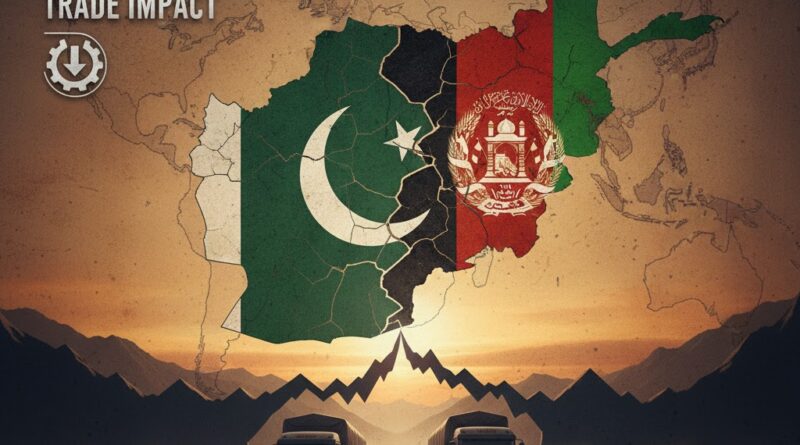
Pakistan -Afghanistan Border tensions and Trade impact
The Pakistan–Afghanistan border has always been a critical lifeline for trade, travel, and regional connectivity.
But in recent years, rising tensions at key crossing points like Chaman and Torkham have created serious challenges for both countries.
Frequent border closures, security concerns, and political disputes are disrupting the flow of goods, slowing economic activity, and affecting the daily lives of thousands who depend on cross-border movement for their livelihood.
As these tensions continue, Pakistan faces growing pressure on trade routes, rising market prices, and increased uncertainty for businesses and ordinary citizens alike.
This blog explores how the current situation is reshaping Pakistan’s economy and everyday life.
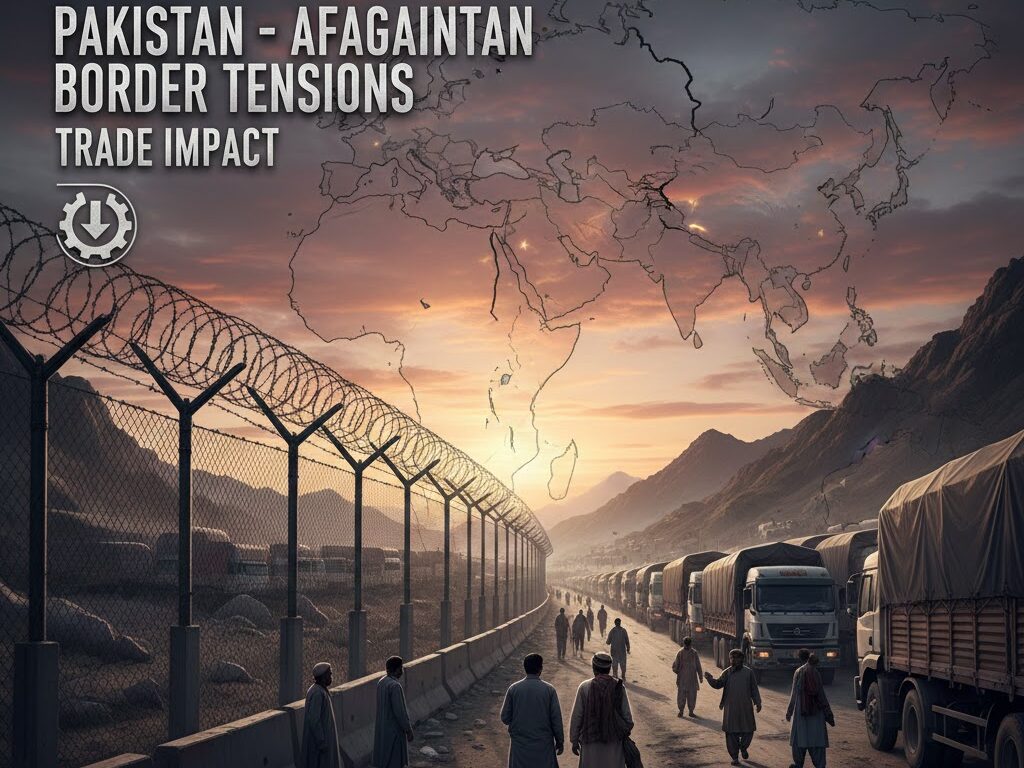
Pakistan – Afghanistan War 2025
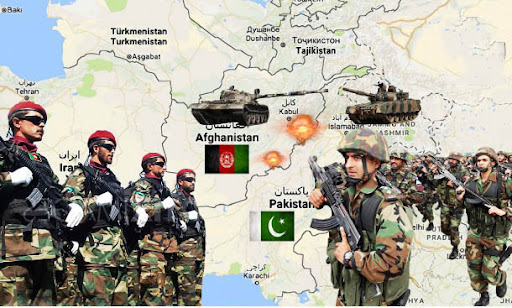
As of December 8, 2025, tensions along the Pakistan-Afghanistan border, particularly at the Chaman (Spin Boldak) and Torkham crossings, remain high following a series of escalatory incidents.
The Durand Line, the disputed 2,640 km border, has long been a flashpoint due to cross-border militancy, refugee movements, and territorial disputes.
Recent clashes stem from accusations of harboring militants: Pakistan alleges Afghan Taliban affiliates like the Tehrik-i-Taliban Pakistan (TTP) launch attacks from Afghan soil, while Kabul claims Pakistani forces encroach on its territory.
Pakistan – Afghanistan Ceasefire
October 12, 2025
Borders at Chaman, Torkham, Ghulam Khan, and others were sealed after coordinated militant attacks on Pakistani posts killed 23 soldiers and over 200 militants.
Pakistan responded with airstrikes on alleged hideouts in Kandahar and Kabul.
Ceasefire Efforts
A 48-hour truce was extended via Qatar and Turkey mediation in Doha and Istanbul, but violations persisted.
Talks stalled but led to a partial humanitarian reopening on December 4.
December 5-6, 2025
Heavy overnight exchanges of fire near Chaman killed at least five Afghan civilians and wounded eight others, with Pakistani troops returning fire after alleged Afghan incursions.
No Pakistani casualties were reported, but the incident underscores fragile security.
Pakistan-Afghanistan war border impact
The closures since mid-October have crippled Pakistan-Afghanistan commerce, which typically exceeds $2.5 billion annually (Pakistan’s exports to Afghanistan around $1.5 billion, imports $1 billion).
Trade volume has plummeted below $1 billion in 2025, with a 60% nosedive in Pakistan’s share of Afghan imports (from 24% in 2013 to near-zero recently).
| Aspect | Pre-Closure (2024 Avg.) | Post-Closure Impact (Oct-Dec 2025) |
|---|---|---|
| Daily Truck Traffic | 1,000+ trucks/day (Chaman: 400; Torkham: 600) | Halted; 1,000+ vehicles stranded, causing $200M+ losses for Afghan traders alone. |
| Key Goods Affected | Pakistan exports: Cement, textiles, pharmaceuticals, sugar, rice. Afghan exports: Fruits (apples, grapes), vegetables (tomatoes, onions), dry fruits, marble. | Backlogs at Karachi/Gwadar ports: 291+ containers suspended for Afghan transit; full halt on re-exports to Central Asia. |
| Economic Losses | Bilateral trade: $2.5B/year | Pakistan: $1B+ in export losses; Afghanistan: Shortages driving pivot to Iran/Uzbekistan routes. |
| Transit Trade | Pakistan routes 40% of Afghanistan’s global trade via its ports. | Suspended; delays add 20-30% costs, threatening CPEC extensions to Central Asia. |
Stranded Goods and Costs
Hundreds of trucks with perishables (e.g., Afghan fruits) have spoiled, leading to billions in cumulative losses.
Pakistan’s Federal Board of Revenue (FBR) halted all Afghan transit from Karachi Port and Port Qasim due to terminal congestion from backlogs.
Effects on Pakistani Trade
Pakistan bears significant trade disruptions, as these borders are not just bilateral but gateways for its $500M+ annual transit trade with landlocked Central Asia (Uzbekistan, Tajikistan via Afghanistan).
Closures amplify vulnerabilities:
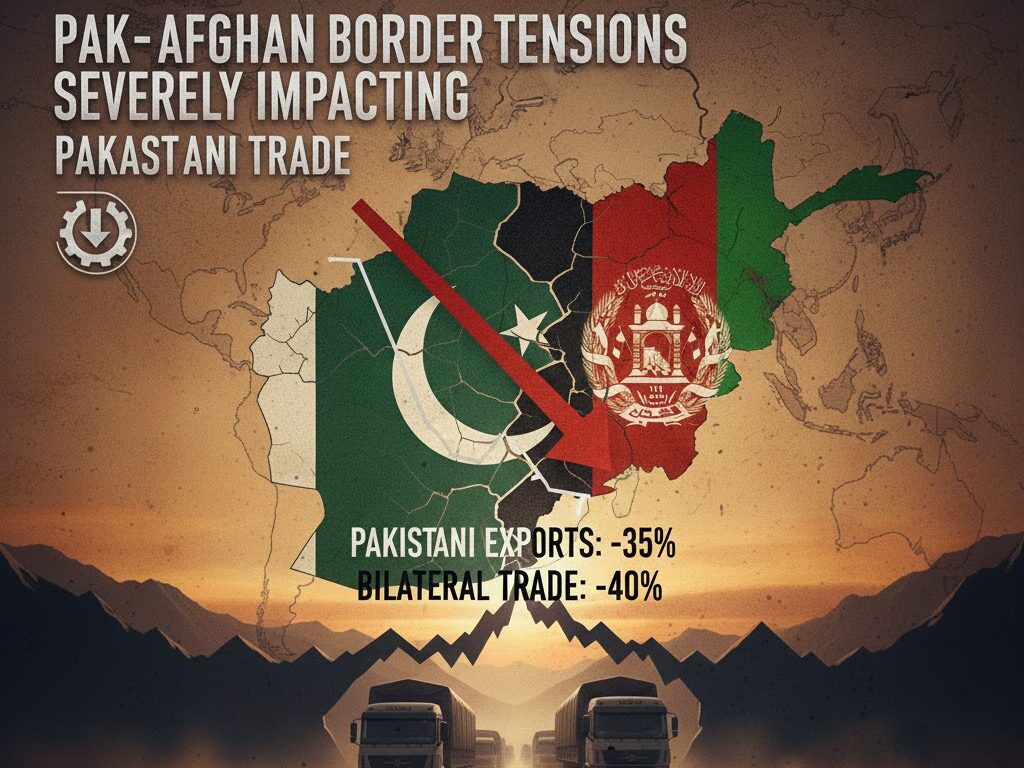
Export Disruptions
Pakistani cement and textiles, major to Afghanistan, face $500M+ losses.
Transit to Central Asia (e.g., via Torkham to Uzbekistan) is stalled, delaying CPEC-linked projects and raising freight costs by 25-40%.
Import Shortages and Price Hikes
Afghan dry fruits (almonds up Rs600/kg, pistachios Rs300/kg) and produce have surged 15-500% nationwide.
Tomatoes hit Rs600/kg (from Rs120), onions Rs200/kg, with apples/grapes vanishing from shelves in Peshawar and Quetta markets.
Long-Term Risks
Prolonged tensions could erode Pakistan’s 40% share of Afghan trade, boosting competitors like Iran.
Analysts warn of “icy relations” derailing Central Asian connectivity plans, potentially costing Pakistan $1B+ in forgone revenue by mid-2026.
Food Security and Inflation
Essential imports (wheat, dairy, veggies) shortages have driven 20-50% price spikes in Peshawar, Quetta, and Lahore.
Families in northern Pakistan report empty markets for affordable fruits, exacerbating inflation (already 12% nationally).
Employment and Livelihoods
Border closures idle 50,000+ porters, drivers, and vendors. Chaman’s unemployment has hit “near-total,” with daily wage earners (Rs500-1,000/day) facing weeks without income.
Refugee repatriation (10,000+ via Chaman in one day post-partial reopen) adds strain on local resources.
Security and Mobility
Heightened patrols and minefields restrict travel, disrupting family visits and medical access.
Recent firings have fueled fear, with schools/clinics near borders closing sporadically.
Humanitarian Echoes
While aid flows resumed, Pakistan’s border areas see indirect effects like migrant influxes straining services.
Broader instability risks TTP incursions, potentially worsening daily security in Khyber.