
One Festival, Many Cultures: Merry Christmas
Merry Christmas is more than just a festive greeting—it’s a celebration that brings joy, love, and warmth to millions around the world.
Every year on December 25th, people from different cultures and backgrounds come together to honor the birth of Jesus Christ, exchange gifts, decorate their homes, and share moments with family and friends.
Over time, Christmas has evolved into a global festival, blending religious traditions with modern customs like Santa Claus, Christmas trees, and festive lights.
From the snowy streets of Europe to the sunny beaches of Australia, Christmas is celebrated in unique ways everywhere, making it a truly worldwide festival of happiness and togetherness.

Merry Christmas Wishes
Wishing you a Merry Christmas filled with love, laughter, and all the magic the season brings.
“Christmas isn’t a season. It’s a feeling.”
“At Christmas, all roads lead home.”
“The best way to spread Christmas cheer is singing loud for all to hear.”
“Christmas is not a time nor a season, but a state of mind.”
“May your days be merry and bright, and may all your Christmases be white.”
And finally, a joyful greeting straight from the heart for you and your loved ones.
“Merry Christmas! May your heart be light, your home be warm, and your life be filled with wonder.”
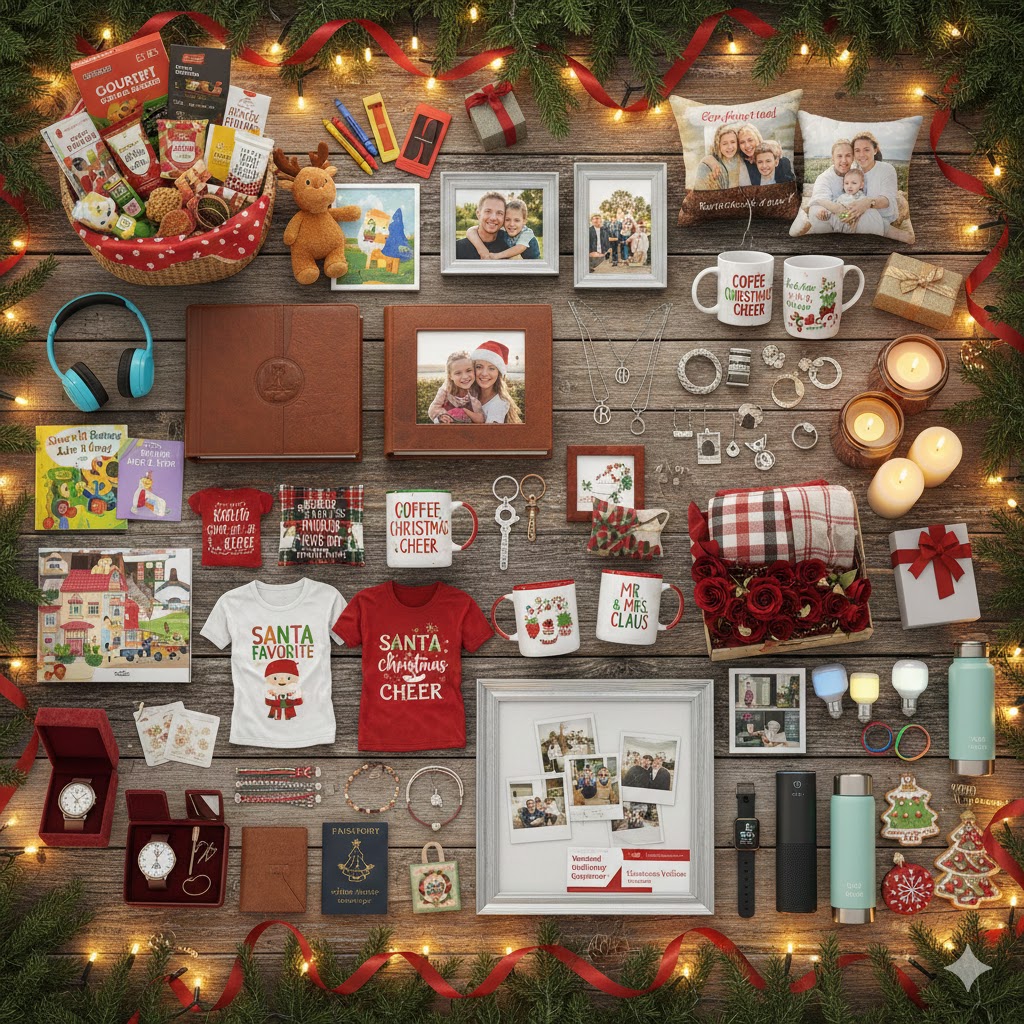
Gift Ideas for Christmas 2025
1. Gifts For Family at Christmas
Personalized photo albums or frames
Customized mugs or cushions
Handcrafted jewelry or accessories
Cozy blankets or scented candles
- DIY gift baskets with snacks, chocolates, or teas
2. Gifts ideas For Kids at Christmas
Educational toys or STEM kits
Storybooks and activity books
Plush toys and dolls
- Smart gadgets for kids (learning tablets, headphones)
3. For Friends
Funny or quirky mugs and T-shirts
Friendship bracelets or keychains
Travel accessories like mini bags or power banks
Personalized journals or planners
Subscription boxes (snacks, books, or beauty items)

4. For Partners
Customized jewelry (name necklaces, bracelets)
Romantic gift hampers (chocolates, roses, candles)
Couple gadgets (matching watches or mugs)
Memory scrapbooks or photo collages
Experience gifts (spa, concert, or travel vouchers)
5. Trending Gifts
Smart home gadgets (AI assistants, smart lights)
Eco-friendly gifts (reusable bottles, sustainable products)
Fitness & wellness kits (yoga mats, smart watches)
Personalized digital gifts (custom NFTs, video messages)
Holiday-themed gift sets (Christmas candles, ornaments, treats)
Merry Christmas means?
“Merry Christmas” means “a joyful Christmas” or simply “Christmas greetings”.
It is a warm and cheerful message exchanged on December 25th, when Christians around the world celebrate the birth of Jesus Christ.
The phrase is not just religious—it’s also a way to share love, happiness, and good wishes with family, friends, and even strangers. People use it in speech, cards, gifts, and messages to spread joy and festive spirit.
Merry Christmas and Happy New Year
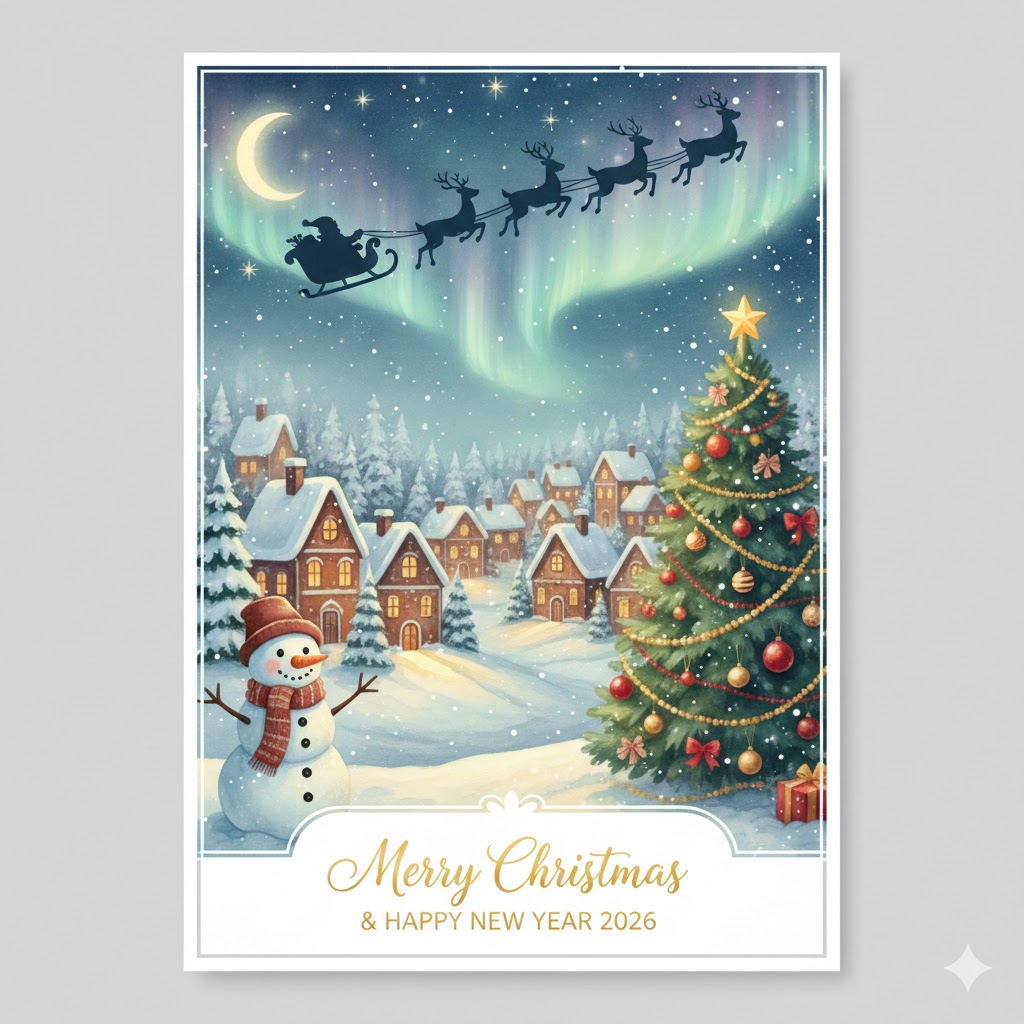
“Merry Christmas and Happy New Year” is a combined festive greeting used worldwide to wish joy, happiness, and good fortune during the holiday season.
Merry Christmas celebrates December 25th, the birth of Jesus Christ, and is a time for love, family gatherings, gifts, and festive cheer.
Happy New Year welcomes the start of a new year, symbolizing fresh beginnings, hope, and new opportunities.
Together, this greeting expresses warm wishes for both the holiday and the upcoming year, spreading happiness and positivity to friends, family, and everyone around.

How Different Countries Celebrate Christmas
Christmas is truly a global celebration, blending religious roots with local customs, food, and fun — and every country adds its own magical twist!
From snowy markets in Europe to sunny beach barbecues in the Southern Hemisphere, here’s how people around the world celebrate on December 25, 2025 (and sometimes beyond!).
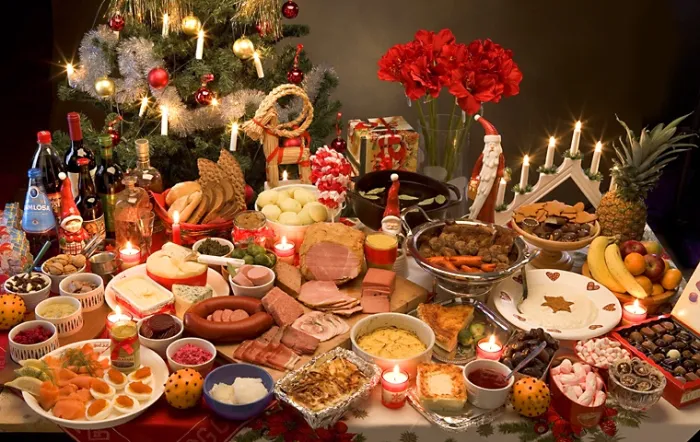
Germany
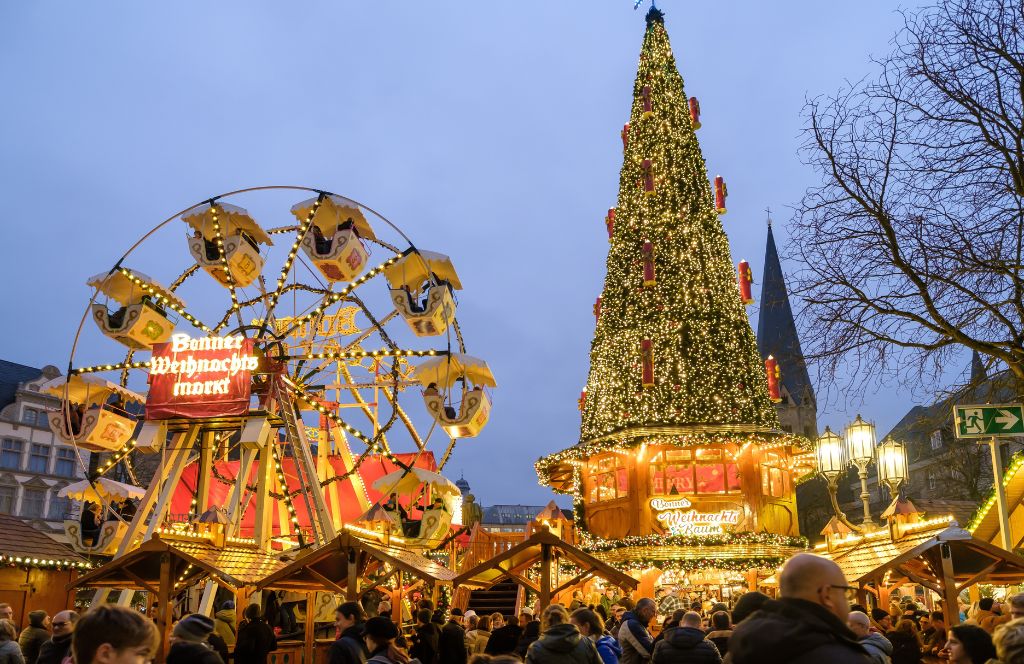
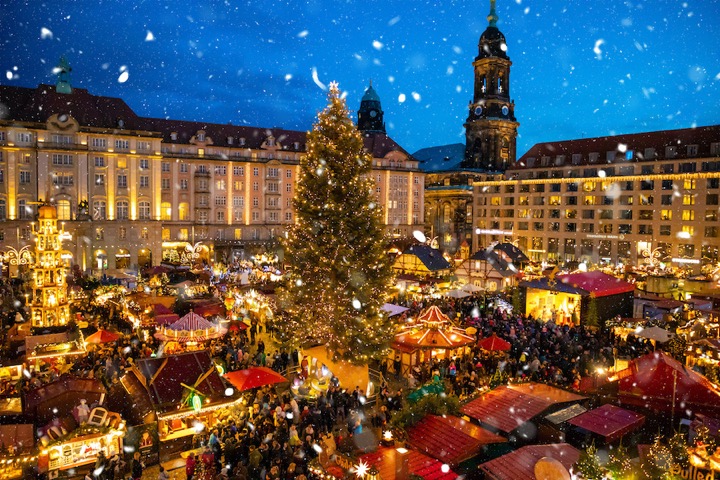
Germany kicks off the season with iconic Weihnachtsmärkte (Christmas markets) full of handmade crafts, mulled wine (Glühwein), gingerbread, and twinkling lights.
Families gather around beautifully decorated trees, and the Christkind (a angelic figure) brings gifts.
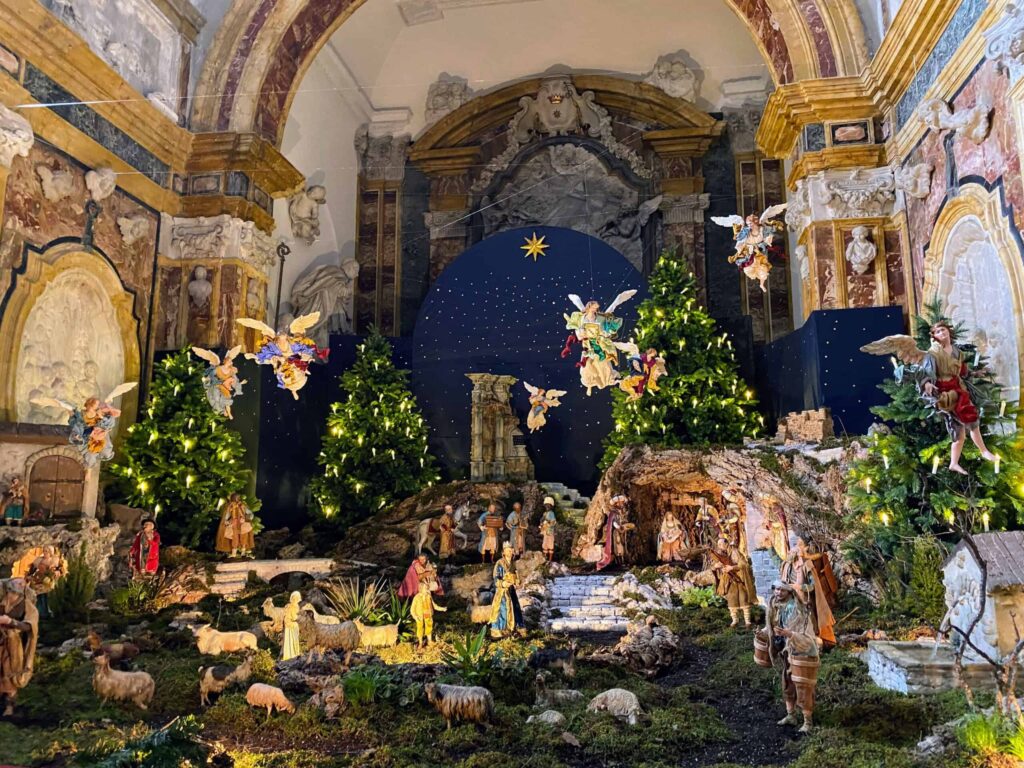
Philippines
The Philippines starts celebrating as early as September, with homes lit up by colorful parol (star-shaped lanterns) symbolizing the Star of Bethlehem.
The season peaks with Simbang Gabi (dawn masses), caroling, and a huge Noche Buena feast on Christmas Eve.
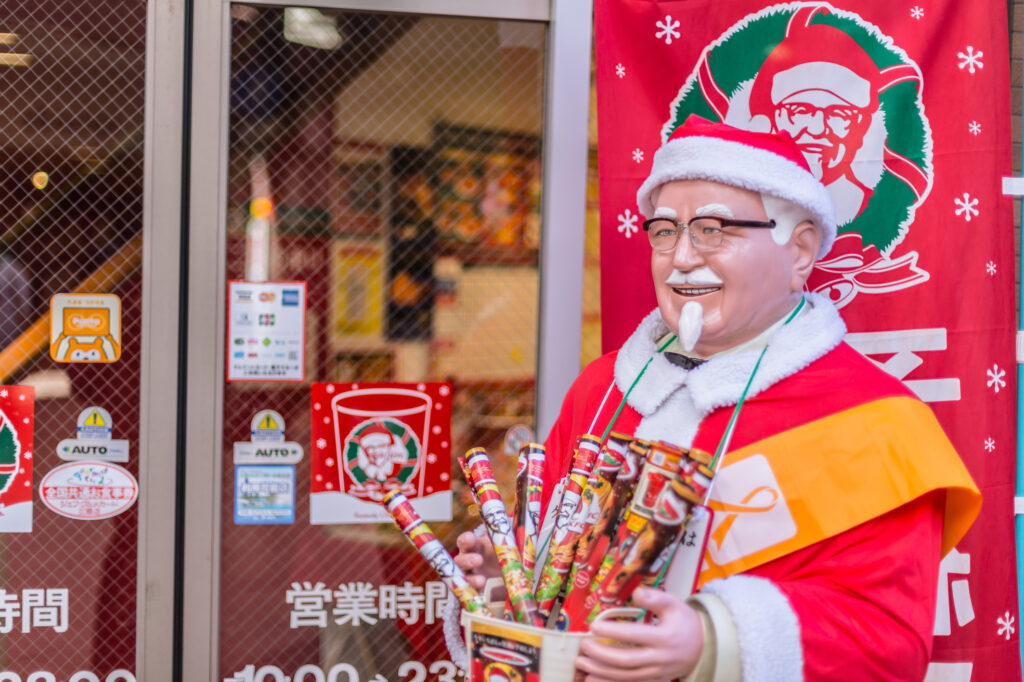
Australia
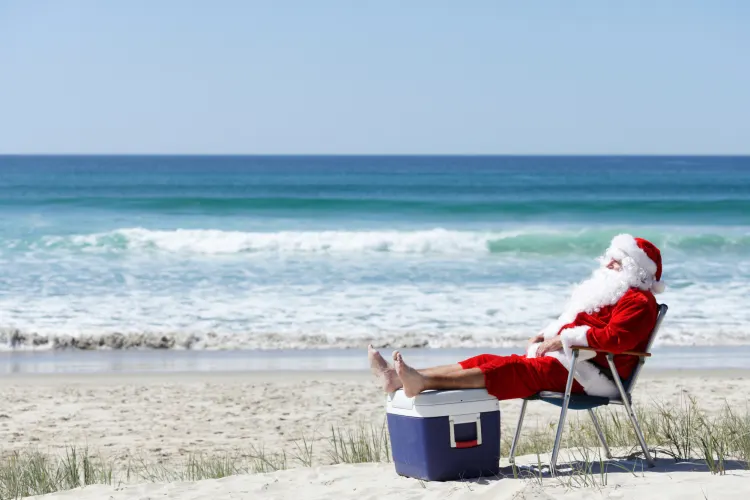
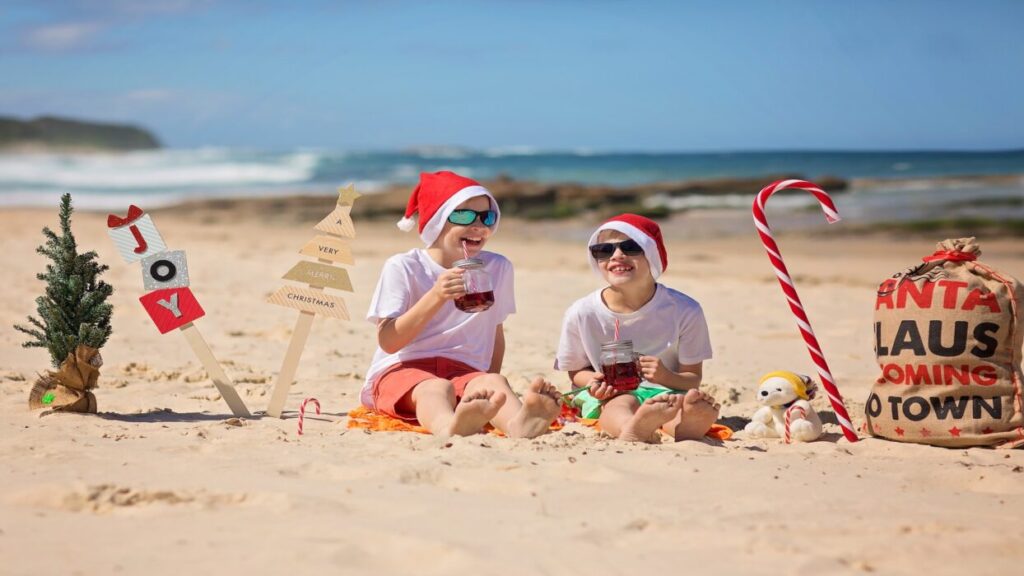
In the land Down Under, Christmas falls in summer — so families head to the beach for barbecues (“barbies”) with prawns, cold drinks, and Santa in board shorts!
Carols by candlelight and outdoor picnics are the norm.
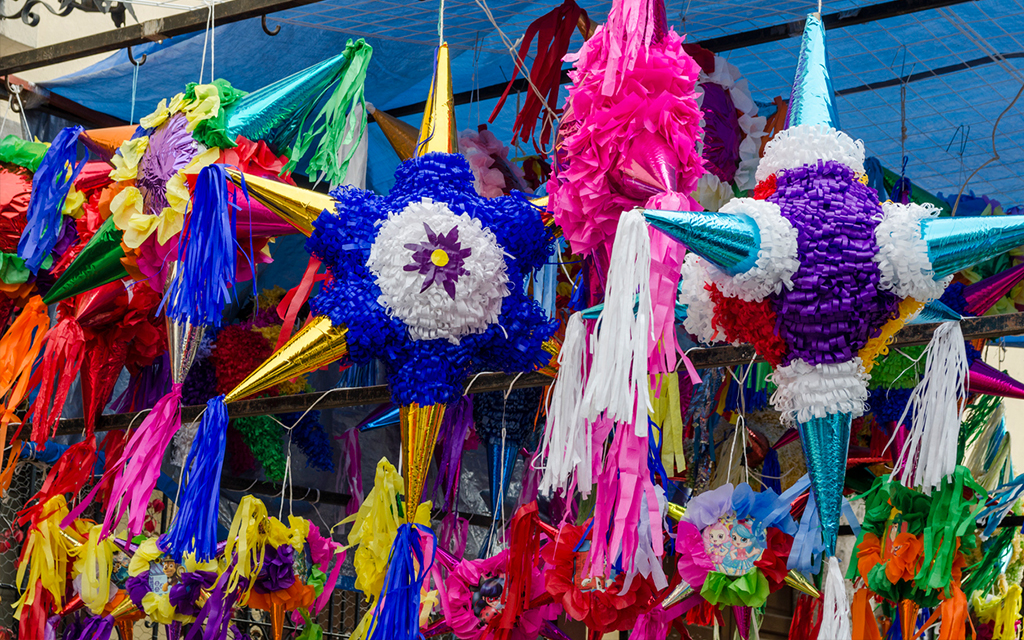
Mexico
Celebrations begin with Las Posadas (nine days of processions reenacting Mary and Joseph’s search for shelter), ending in lively parties with piñatas filled with treats, tamales, and fireworks on Christmas Eve.
History / Origion of Merry Christmas
The phrase “Merry Christmas” is so ubiquitous today that we often don’t think about its distinct history.
While “Happy” is the standard greeting for almost every other holiday (Happy Birthday, Happy Hanukkah, Happy New Year), “Merry” has carved out a unique space for itself.
Reasons:
1. The Earliest Records (1500s)
For a long time, the earliest known use was attributed to a letter written on December 22, 1534, by Bishop John Fisher to Thomas Cromwell, in which he wished him a “mery Christenmas.”
However, recent research at Worcester Cathedral uncovered an even earlier instance from 1520.
A letter from Bishop Charles Booth used the phrase “merry this Christmas,” suggesting the greeting was already in informal use among the English clergy and elite during the Tudor period.
2. The Victorian Revolution (1843)
While the phrase existed for centuries, it wasn’t the “standard” greeting until 1843.
That year, two major cultural events happened in London that cemented “Merry Christmas” in the public consciousness.
The word “Christmas” comes from “Christ’s Mass”, a special church service honoring the birth of Christ.
The greeting “Merry Christmas” was first recorded in 16th-century England.
Early English people used the word “merry” to mean pleasant, joyful, and cheerful.