
India -Pakistan Heatwave: 2025 Extreme Weather
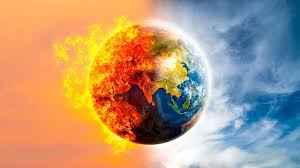
The 2025 India–Pakistan heatwave, which began in early April and persisted into June, was an extreme weather event characterized by unprecedented high temperatures across the Indian subcontinent, driven largely by human-induced climate change. It affected over 1.5 billion people, placing hundreds of millions under severe thermal stress, disrupting agriculture, straining energy systems, and causing significant health and economic impacts. Below is a detailed overview based on available information, incorporating the climate crisis context and addressing the specific focus on the 2025 heatwave in India and Pakistan.
Key Characteristics of the 2025 Heatwave
- Temperature Extremes:
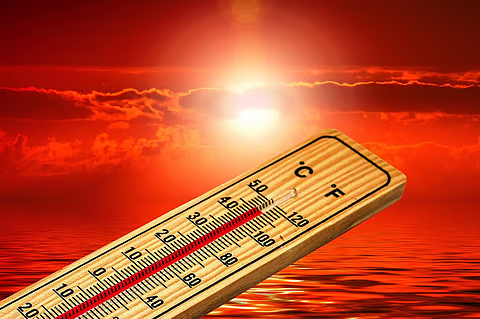
- India: Temperatures reached 5–8°C above seasonal norms. Rajasthan’s Barmer recorded 46.4°C (115.5°F) on April 8, breaking decades-old April records, while Jaipur hit 43.0°C (109.4°F) for five consecutive days. Delhi saw temperatures exceed 40°C (104°F) multiple times, with a heat index peaking at 51.9°C in June due to high humidity.
- Pakistan: The southwestern province of Balochistan faced extreme conditions, with temperatures approaching 49°C (120°F) in Dera Murad Jamali, comparable to Death Valley readings. Sindh’s Shaheed Benazirabad hit 50°C (122°F), nearly 8.5°C above April averages.
- Wet-Bulb Temperatures: High humidity amplified risks, with wet-bulb temperatures nearing dangerous thresholds (31°C at 100% humidity), posing risks of heatstroke even for healthy individuals.
- Early Onset and Duration:
- The heatwave arrived in early April, earlier than the typical May–June summer heatwave season, catching communities unprepared. The India Meteorological Department (IMD) warned of an “above-normal number of heatwave days” through April, with forecasts indicating prolonged high temperatures into June.
- Geographic Scope:
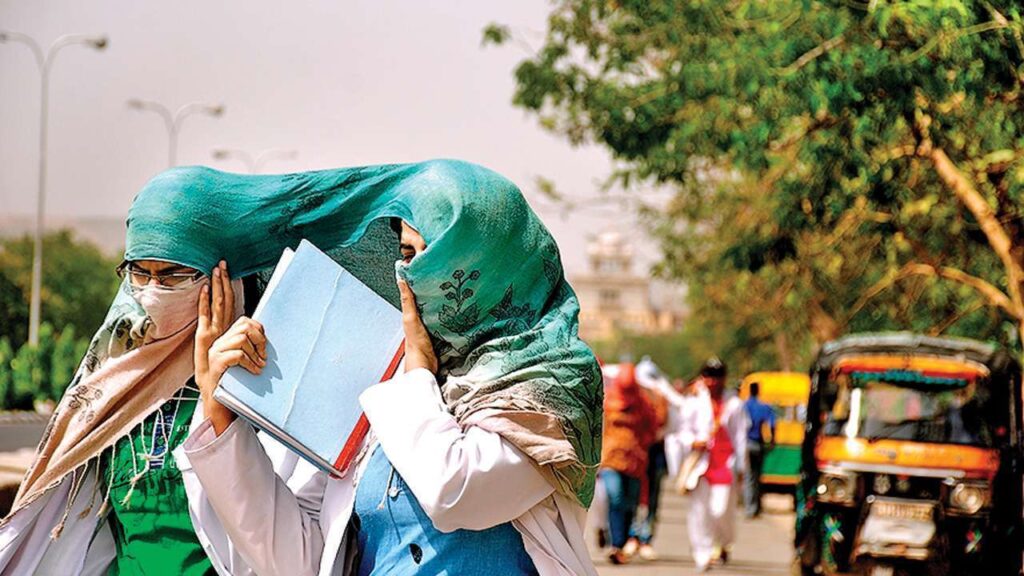
- The heatwave affected northwest and central India, including Delhi, Rajasthan, Uttar Pradesh, and Bihar, and most of Pakistan, particularly Balochistan, Sindh, and Punjab. Urban areas like Delhi, Jaipur, and Islamabad were up to 3°C hotter than rural areas due to the urban heat island effect.
Impacts of the Heatwave
- Health Impacts:
- Fatalities and Illnesses: In India, severe meteorological reactions in Bihar, including thunderstorms and lightning, caused at least 19 deaths over two days. Pakistan reported overwhelmed hospitals in Punjab with heatstroke cases. While exact death tolls for 2025 are still being assessed, early reports suggest significant heat-related illnesses, particularly among vulnerable groups like the elderly, laborers, and pregnant women.
- Maternal and Child Health: In Karachi, 80% of babies were born preterm with respiratory issues, and pregnancy-induced hypertension cases rose, increasing risks of preeclampsia, a leading cause of maternal mortality.
- Urban Vulnerability: Urban centers faced higher heat stress due to concrete infrastructure and limited green spaces, exacerbating health risks for low-income communities.
- Agricultural Disruptions:
- Crop Losses: In Pakistan, farmers reported accelerated crop development and reduced yields due to thermal stress and water scarcity, particularly in Balochistan, which faced drought conditions from minimal winter rainfall. In India, heatwaves impacted wheat production in states like Haryana, Uttar Pradesh, and Punjab, with losses estimated at 10–35% in some areas.
- Food Security: India reversed plans to supplement global wheat supplies due to reduced yields, contributing to rising global food prices.
- Energy and Infrastructure Strain:
- Power Outages: In Pakistan, extended power outages lasting up to 16 hours daily in Balochistan eliminated access to cooling systems, exacerbating thermal stress. In India, heatwaves drove a 9–10% increase in power demand, straining electricity grids and causing widespread outages.
- Economic Impact: High power demand led to coal shortages in India, with states like Rajasthan reducing power to industries to prioritize cooling. This disrupted economic activity, particularly for laborers unable to work in extreme heat.
- Environmental Consequences:
- Wildfires and Air Quality: The heatwave triggered wildfires in India, worsening air quality with dust and ozone spikes.
- Glacial Melt: In Pakistan’s Gilgit-Baltistan, unusual heat enhanced glacial melting, triggering at least one glacial lake outburst flood (GLOF), similar to the 2022 Hassanabad Bridge collapse.
Climate Crisis Context
- Human-Driven Climate Change:
- A ClimaMeter study concluded that the 2025 heatwave was up to 4°C warmer than similar events from 1950–1986, primarily due to anthropogenic global warming. The study found minimal influence from natural variability like the El Niño–Southern Oscillation (ENSO), which was in a neutral phase.
- The World Weather Attribution project noted that climate change made similar heatwaves in 2022 thirty times more likely, a trend consistent with 2025’s intensified conditions.
- Regional Vulnerability:
- South Asia, home to 1.9 billion people, is highly vulnerable due to dense populations, limited access to cooling, and economic inequality. Outdoor workers, such as farmers (60% of India’s workforce, 40% of Pakistan’s), face life-or-death decisions between working in dangerous heat or losing income.
- The World Bank projects that India could face wet-bulb temperatures exceeding 35°C, a survivability threshold, with 2025 data showing readings approaching 31°C in high-humidity areas.
- Urban Heat Island Effect:
- Cities like Delhi, Mumbai, Karachi, and Lahore absorb more heat due to asphalt and concrete, with temperatures up to 3°C higher than rural areas. Lack of green spaces and poor air circulation exacerbate conditions.
Government Response
India
- Heat Action Plans:
- The Indian Meteorological Department (IMD) issued warnings for an “above-normal number of heatwave days” in April, urging residents to avoid prolonged heat exposure and stay hydrated.
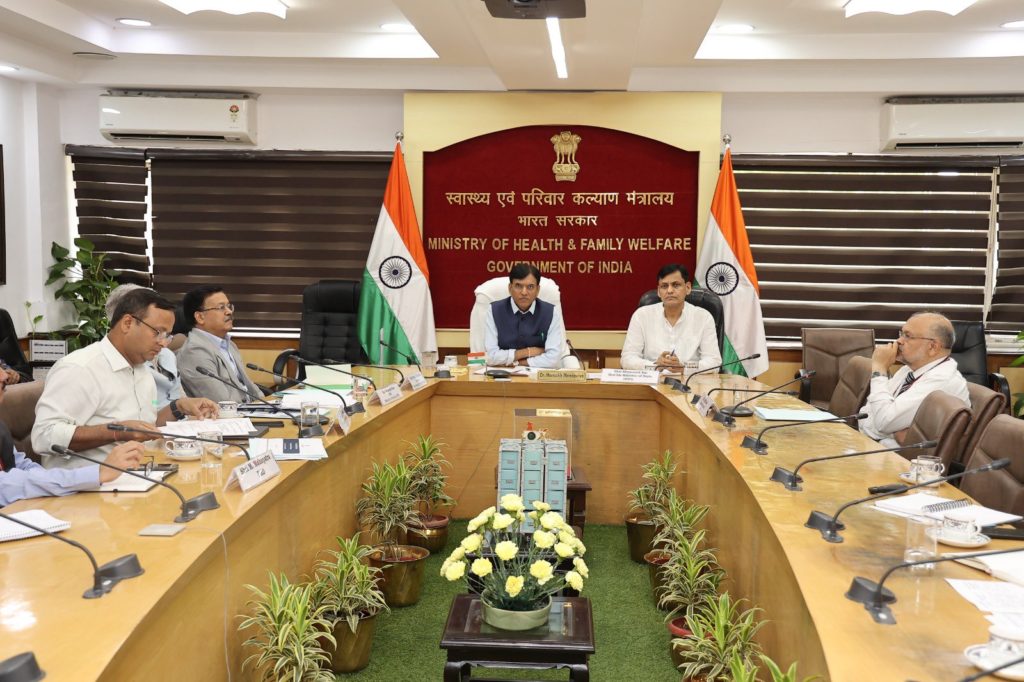
- Delhi updated its heat action plan, focusing on vulnerable groups like the elderly, construction workers, and street vendors. However, implementation was inconsistent, with gaps in reaching rural areas.
- States like West Bengal and Odisha closed schools to protect students from heat-related illnesses, such as nosebleeds reported in 2022.
- Infrastructure and Energy:
- The government struggled with power grid strain due to increased cooling demand. Coal shortages led to reduced industrial power allocation in states like Rajasthan, Gujarat, and Andhra Pradesh.
- The National Disaster Management Authority (NDMA) issued red alerts in Delhi, emphasizing heat-related symptom awareness, but electricity grid failures limited cooling access.
- Criticism:
- Experts noted that India lacks a national repository of heat action plans, and many plans are outdated or poorly implemented.
- Adaptation measures, like better-insulated housing and natural cooling designs, were deemed insufficient, with calls for stronger infrastructure investments.
Pakistan
- Meteorological Warnings:
- The Pakistan Meteorological Department (PMD) forecast temperature anomalies of up to 8°C from April 14–18 and advised precautionary measures like avoiding direct sunlight and staying hydrated.
- In Sindh, school exams were delayed due to extreme heat, reflecting efforts to protect students.
- Relief Efforts:
- The Ministry of Climate Change reported severe heatwave conditions in 26 districts, with limited relief due to power outages lasting up to 16 hours in Balochistan.
- Heatwave camps were established in Sindh to treat heatstroke cases, though hospitals in Punjab were overwhelmed.
- Criticism:
- Pakistani media, including Dawn, criticized the government for being “woefully unprepared” for escalating climate crises, citing inadequate infrastructure and poor adaptation measures.
- Residents in Balochistan, like Ayoub Khosa in Dera Murad Jamali, reported that persistent power outages intensified the heatwave’s impact, with no effective government response to restore electricity.
Long-Term Implications and Recommendations
- Climate Adaptation:
- Experts urge investment in climate-resilient infrastructure, such as better-insulated housing, urban green spaces, and reliable power grids to handle increased demand.
- Strengthening early warning systems and heat action plans tailored to urban and rural areas is critical. India’s Ahmedabad model, implemented after the 2010 heatwave, could be expanded to other cities.
- Global Climate Justice:
- Pakistan and India, contributing less than 4% of global emissions, face disproportionate climate impacts. Calls for reduced greenhouse gas emissions from high-emission countries are growing, as heatwaves are projected to triple in frequency under moderate emissions scenarios.
- Agricultural Resilience:
- Developing heat-resistant crop varieties and improving irrigation systems can mitigate agricultural losses. Pakistan’s water scarcity, worsened by 42% lower winter rainfall in 2025, requires urgent water management strategies.
Conclusion
The 2025 India–Pakistan heatwave, driven by human-induced climate change, marked a new extreme in early-season heat, with temperatures reaching life-threatening levels and exacerbating health, agricultural, and economic challenges. Government responses included warnings, school closures, and limited relief efforts, but systemic issues like power outages, inconsistent heat action plans, and inadequate infrastructure highlighted the need for stronger adaptation measures. The crisis underscores South Asia’s vulnerability to climate change, necessitating urgent local and global action to mitigate future risks.
If you’d like specific data (e.g., a chart of temperature anomalies or a deeper dive into a specific region’s response), let me know.
India’s Government Response
The India Meteorological Department (IMD) issued early warnings in April 2025, forecasting an “above-normal number of heatwave days” across northwest and central India, including Rajasthan, Uttar Pradesh, and Bihar. Residents were advised to avoid prolonged heat exposure, stay hydrated, and use cooling measures like wet cloths. On April 10, Gujarat state was placed under an orange alert, signaling severe heatwave conditions and a heightened risk of heat-related illnesses. The IMD’s heat index warnings, especially in Delhi (peaking at 51.9°C in June), emphasized monitoring for symptoms like dizziness and nausea.
Pakistan’s Government Response
- The Pakistan Meteorological Department (PMD) forecasted temperature anomalies of up to 8°C above normal from April 14–18, particularly in Balochistan and Sindh, warning of temperatures reaching 49°C (120°F). Public advisories included avoiding direct sunlight, staying hydrated, and limiting outdoor work during peak heat hours.
- In Sindh, the PMD’s warnings led to school exam postponements to protect students from heat exposure, especially after temperatures hit 50°C in Shaheed Benazirabad.
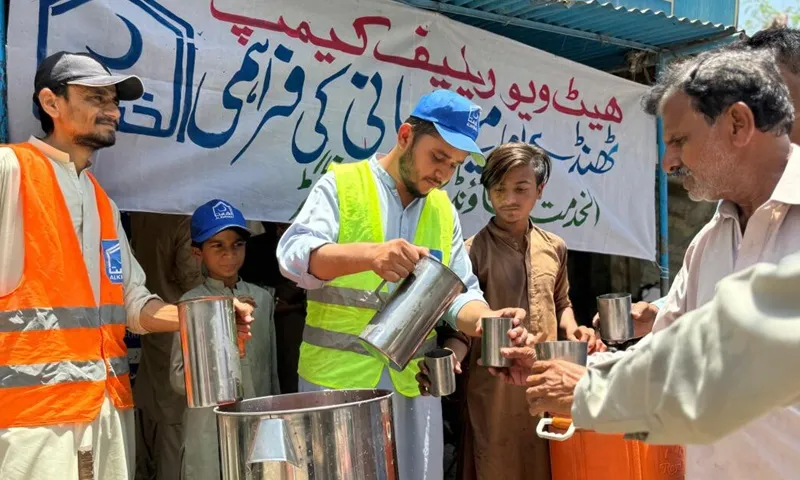
The Pakistani newspaper Dawn labeled the government “woefully unprepared” for the escalating climate crisis, citing inadequate infrastructure and adaptation measures. Rural communities in Balochistan and Sindh reported minimal government presence during peak heatwave periods. Public anger, reflected on X, focused on prolonged power outages and lack of cooling facilities, with one user stating, “No electricity, no water, just heat killing us in Sindh.”