
How Technology is changing Education
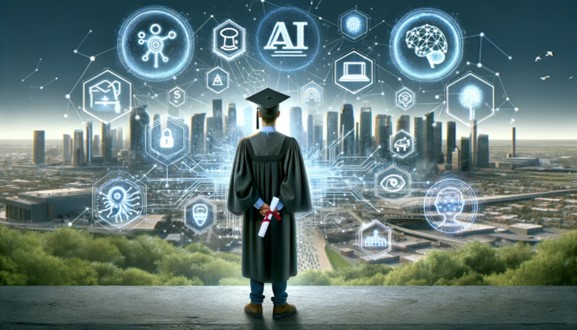
Technology in changing Education
As of 2025, technology has fundamentally reshaped education, evolving it from rigid, one-size-fits-all models to dynamic, personalized, and accessible systems. Driven by rapid advancements in AI, immersive realities, and data analytics, the global EdTech market is projected to exceed $142 billion, growing at a 13.4% compound annual rate through 2030. This transformation enhances learning outcomes, promotes equity, and prepares students for a workforce where digital fluency is essential. However, it also raises challenges like digital divides and ethical concerns. Below, we explore key ways technology is driving these changes, supported by recent trends and real-world examples.
Technology is changing education by increasing access to resources, personalizing learning experiences, making content more interactive, and improving communication and administration. This shift allows for flexible learning models through online platforms, uses digital tools like virtual simulations to improve engagement, and helps teachers with administrative tasks, ultimately preparing students with essential skills for the digital age.
1. Personalized Learning Powered by AI
AI-powered tools help tailor education to individual needs. For example, adaptive learning platforms track a student’s progress and adjust lessons accordingly, ensuring each learner moves at their own pace.AI is at the forefront, tailoring education to individual needs rather than uniform curricula. Tools like AI tutors analyze student performance in real-time, adapting lessons to strengths and weaknesses—boosting learning gains by up to 30%, according to Stanford studies. Platforms such as Khan Academy and Duolingo use gamified AI to make subjects like algebra or languages as engaging as social media, providing 24/7 support and instant feedback
2.Access to Learning Anytime, Anywhere
With the internet, students can now learn beyond the classroom. Online courses, video lectures, and digital libraries give access to knowledge 24/7. Platforms like Khan Academy, Coursera, and YouTube make learning global and flexible.Educational Resources: It has opened up vast digital libraries, open educational resources (OER), and interactive learning applications, providing diverse materials to a global audience.
3.Immersive Experiences with VR, AR, and MR
Immersive experiences with Virtual Reality (VR), Augmented Reality (AR), and Mixed Reality (MR) are transforming education and training by creating engaging, interactive environments that blur the lines between the physical and digital worlds. These technologies move learning beyond traditional textbooks and lectures, leading to improved knowledge retention, accelerated skill acquisition, and safer training environments.
Virtual, augmented, and mixed realities are turning passive learning into interactive adventures. By 2025, spending on these technologies in education hits $12.6 billion—seven times higher than in 2018—allowing students to “visit” ancient Rome or dissect virtual frogs without physical risks.
4.. Smarter Classrooms
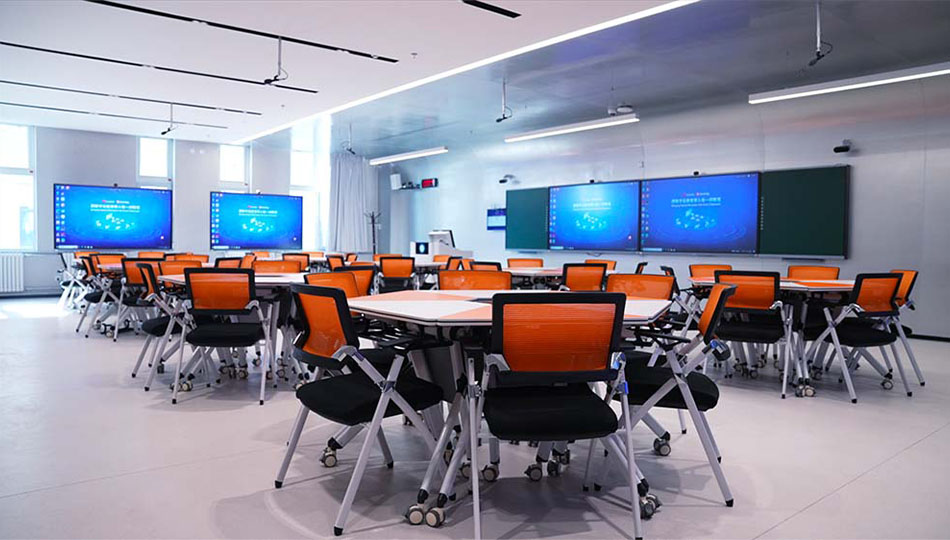
“Smarter classrooms” are learning environments enhanced by educational technology and designed to be more interactive, engaging, and personalized than traditional classrooms. They integrate various digital tools to transform teaching and learning, preparing students for a technology-driven future.
Smartboards, tablets, and cloud-based systems have replaced chalkboards and paper. Teachers can instantly share notes, track attendance, and assess student performance digitally.
Benefits
The integration of technology in smart classrooms offers numerous advantages:
Preparation for the Future: By regularly using technology, students develop crucial digital literacy, critical thinking, and problem-solving skills needed for success in the 21st-century workforce.
Enhanced Engagement and Motivation: Multimedia content, interactive tools, and gamified learning platforms capture students’ attention and make learning more enjoyable.
Personalized Learning: Technology allows educators to tailor content and pace to meet individual student needs and learning styles, ensuring every student gets the support they require.
Improved Collaboration and Communication: Digital platforms and interactive surfaces facilitate real-time collaboration on projects, helping students develop essential teamwork skills.
Access to Vast Resources: Students and teachers gain instant access to a wealth of online information, educational apps, and diverse perspectives far beyond the limits of a single textbook.
Efficient Administration: Digital tools automate tasks like grading, attendance tracking, and lesson planning, allowing teachers to focus more on instruction and student interaction.
5.Bridging the Education Gap
“Bridging the education gap” refers to efforts aimed at eliminating disparities in educational access, quality, and outcomes among different groups of students. These gaps often arise due to factors like socioeconomic status, geographic location (urban vs. rural), gender, disability, or systemic inequalities.
In remote areas, technology brings education to students who previously lacked access. Mobile learning apps and low-cost devices make it possible for more children to learn.
Benefits for Learners
- Flexibility and Convenience: Access to learning anytime, anywhere allows students to study at their own pace, balance education with work or family commitments, and learn from any location, making education more manageable and accessible for diverse populations.
- Enhanced Engagement and Motivation:
- Interactive tools in smart classrooms and immersive technologies like VR/AR make learning enjoyable and captivating. Multimedia content, gamification, and simulations capture attention and foster curiosity, leading to increased participation and better focus.
- Improved Knowledge Retention and Understanding:
- Experiential learning in immersive environments and visual explanations in smart classrooms lead to deeper understanding and better long-term memory recall compared to traditional methods.
- Personalized Learning Paths: AI-driven platforms and adaptive software can tailor educational content and pace to individual student needs, ensuring every student receives targeted support in areas where they struggle.
- Development of Essential Skills: Learners develop crucial 21st-century skills such as digital literacy, critical thinking, problem-solving, collaboration, and self-discipline, all of which are vital for future careers and an always-online world.
- Access to Vast Resources: Students gain instant access to a wealth of online information, digital libraries, and global perspectives, enriching their learning experience beyond the limits of a single textbook.
Can you be more specific about the content of your article? After reading it, I still have some doubts. Hope you can help me.