
History of Ottoman Empire :Rise and Fall
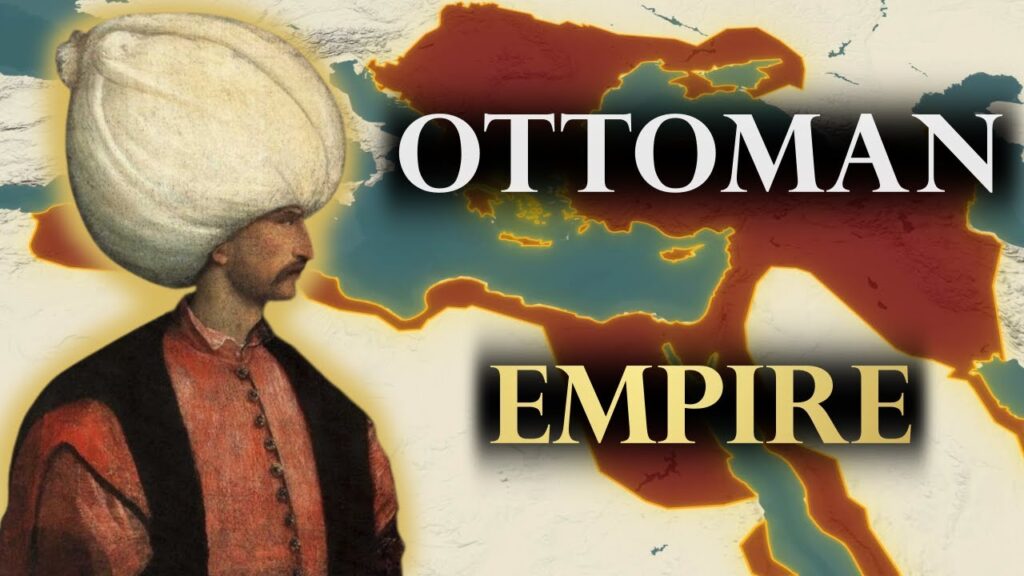
The Ottoman Empire was one of the most powerful and influential empires in history, lasting for over 600 years. It spanned three continents—Europe, Asia, and Africa—at its height and played a central role in world history, particularly in the Middle East and Southeastern Europe. The empire’s rise and fall are marked by a complex mix of military conquests, political intrigue, religious influences, and cultural exchanges.
Origins and Early Years (1299–1453)
The Ottoman Empire traces its origins to the 13th century in what is today Turkey. It began as a small Turkish principality (Beylik) in the region of Anatolia. The empire was founded by Osman I, a leader of the Turkish tribes in Anatolia, around 1299. The name “Ottoman” is derived from his name (Osmanlı in Turkish).
The rise of the Ottoman Empire was facilitated by the decline of the Seljuk Sultanate of Rum, the weakening Byzantine Empire, and the disintegration of the Mongol Empire. Osman I and his successors were able to build power by incorporating Turkish tribes, consolidating territory, and taking advantage of regional chaos.
1300s: The Ottomans expanded into the Balkans and parts of Asia Minor.
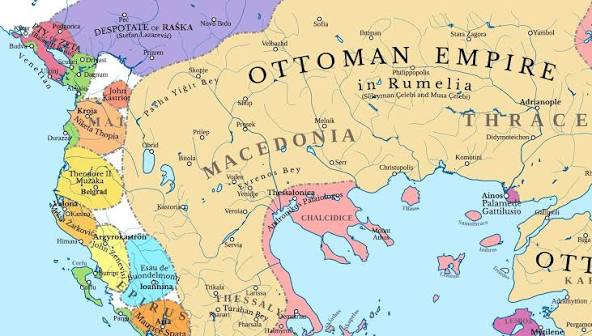
In the 1300s, the Ottoman Empire rapidly expanded from a small beylik (principality) in northwestern Anatolia into a transcontinental power, conquering large swaths of Byzantine territory in Asia Minor and establishing a permanent foothold in the Balkans through key battles and strategic moves.
Expansion in Asia Minor
- Orhan’s consolidation (c. 1324–1362): After succeeding his father Osman I, Orhan turned the Ottoman state into a real power by capturing Byzantine towns and strategically annexing rival Turkish principalities.
- Conquest of Bursa: In 1326, Orhan captured the important Byzantine city of Bursa and made it the new Ottoman capital, establishing a central base of power.
- Absorption of Beyliks: Taking advantage of internal conflicts among the Anatolian Beyliks, he annexed the Karası Beylik by 1345, extending Ottoman control to the Sea of Marmara and positioning them to begin their European expansion.
- Capture of İznik and İzmit: He captured the formerly powerful Byzantine city of İznik (1331) and the strategic port of İzmit (1337), further solidifying Ottoman control over northwestern Anatolia.
Entry and expansion into the Balkans
- Crossing into Europe: The Ottomans established a permanent military base at Gallipoli on the European side of the Dardanelles in 1354, after supplying mercenaries to Byzantine factions during their civil wars. This base became the starting point for their sustained Balkan conquests.
- Murad I’s conquests (1362–1389): Murad I initiated the major Ottoman push into Europe, focusing on permanent conquests.
- Adrianople and Thrace: He captured Adrianople in 1361 and renamed it Edirne, making it the new Ottoman capital. This cut off Constantinople from its European hinterland and allowed better military and administrative control of the region.
- Battle of the Maritsa River: In 1371, Murad’s forces defeated a coalition of Serbian and Bulgarian princes. This led to the submission of many local rulers as Ottoman vassals, which significantly weakened Balkan resistance and allowed for further expansion.
- Battle of Kosovo: In 1389, Ottoman forces defeated a larger Balkan coalition. The battle is known for the deaths of Sultan Murad and Serbian Prince Lazar, but it ended Serbian power and solidified Ottoman rule over the Balkans south of the Danube.
- Bayezid I’s consolidation and defeat (1389–1402): Bayezid I, known as “the Thunderbolt,” expanded aggressively, annexing territories in both Anatolia and Europe, including most of Bulgaria.
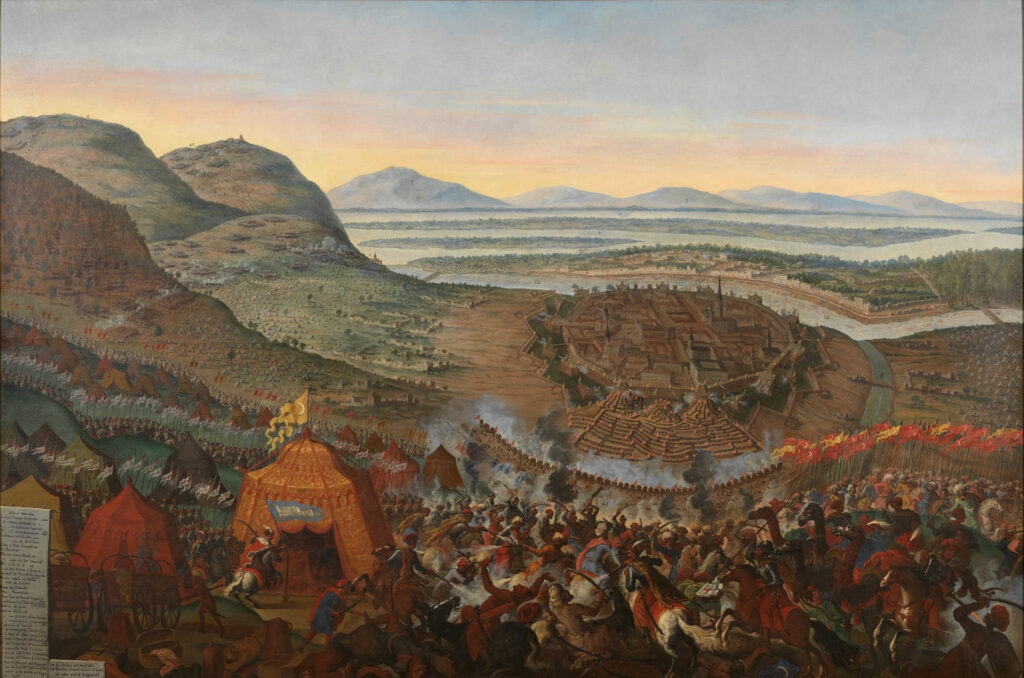
- Battle of Nicopolis: In 1396, he crushed a major European crusade, securing Ottoman control over the Danube region.
- Battle of Ankara and the Ottoman Interregnum: Bayezid’s expansion, especially the annexation of the Karaman Beylik in Anatolia, provoked Timur. In 1402, Timur defeated Bayezid at the Battle of Ankara, capturing the sultan and leading to a destructive civil war in the Ottoman Empire known as the Interregnum.
1326: Bursa became the first major Ottoman capital, solidifying Ottoman control over parts of western Anatolia.
In 1326, the strategic Byzantine city of Bursa (then known as Prusa) fell to the Ottomans under the command of Orhan Gazi after a prolonged siege. This conquest marked a crucial turning point, as Bursa became the first major Ottoman capital and solidified the nascent empire’s control over parts of western Anatolia.
354: The Ottomans crossed into Europe by capturing the Gallipoli Peninsula. This marked the beginning of Ottoman expansion into the Balkans.
In 1354, the Ottomans crossed into Europe by capturing the Gallipoli Peninsula, marking the beginning of their sustained expansion into the Balkans. This key event transformed the small principality into a formidable transcontinental empire.
Consolidation and Expansion (1453–1600)
Fall of Constantinople (1453)
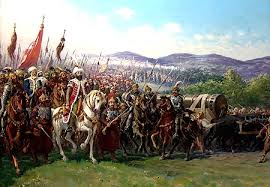
The most iconic event in the early years of the Ottoman Empire was the Fall of Constantinople in 1453. The Ottoman Sultan Mehmed II, known as Mehmed the Conqueror, laid siege to the Byzantine capital for nearly two months. Despite the city’s formidable walls and its status as one of the most fortified cities in the world, the Ottomans successfully captured Constantinople on May 29, 1453. This event marked the end of the Byzantine Empire and solidified the Ottomans as a major power in Europe and the eastern Mediterranean.
Constantinople (renamed Istanbul) became the new capital of the Ottoman Empire, and the event also marked the beginning of the empire’s long dominance in the Eastern Mediterranean.
Expansion into Europe and North Africa
After Constantinople’s fall, the Ottomans expanded further into the Balkans, Hungary, and North Africa.
By the early 16th century, under Suleiman the Magnificent, the empire reached its territorial height, controlling most of the Balkans, parts of Eastern Europe, North Africa, and much of the Middle East.
1517: The Ottomans defeated the Mamluks in Egypt, which brought Egypt, Arabia, and the holy cities of Mecca and Medina under Ottoman control.
Suleiman the Magnificent ( 1520–1566)
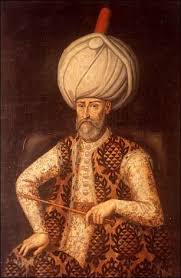
leiman is often considered the greatest of the Ottoman Sultans. His reign marked the peak of Ottoman territorial expansion, military power, and cultural development. During his rule, the Ottomans were able to push into Central Europe, as far as Vienna, and expand their holdings in the Middle East.
Under his leadership, the Ottomans also became a key player in the Mediterranean, competing with Spain and Italy for dominance over trade and naval power.
The Golden Age of the Ottoman Empire
During the 16th and early 17th centuries, the Ottoman Empire was at its zenith, both in terms of territorial extent and cultural achievements.
- Economic Prosperity: The Ottomans controlled key trade routes between Europe and Asia. They became middlemen for the Silk Road trade, making their empire a central hub of commerce.
- Cultural Achievements: The empire saw a flourishing of Ottoman architecture, with monumental buildings like the Süleymaniye Mosque in Istanbul. Additionally, the arts, literature, and science flourished under the patronage of the Sultans.
Decline of Ottoman Empire (1600–1800)
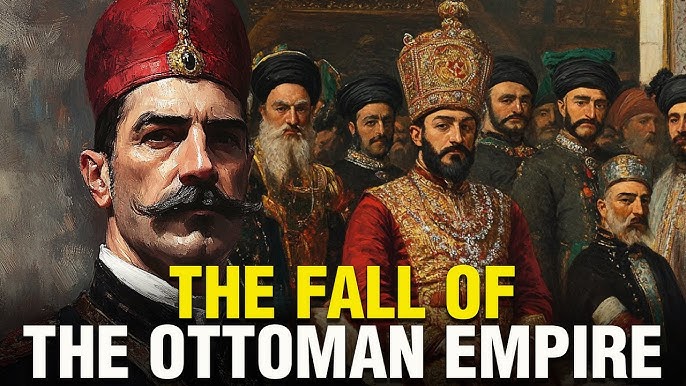
Despite its cultural and military achievements, the Ottoman Empire began to experience a gradual decline starting in the 17th century. The reasons for this decline are multifaceted and include:
- Military Defeats: The Ottomans faced significant military defeats, such as the failed siege of Vienna in 1683, when they were repelled by the Habsburgs and their allies.
- Internal Strife: The Ottoman political system began to become more decentralized, with local rulers and military leaders gaining more autonomy. The empire also suffered from corruption and inefficient administration.
- Economic Decline: The Ottomans began to lose control over key trade routes, particularly after the discovery of the Americas and the development of new sea routes by European powers. This weakened the Ottoman economy.
- Technological Lag: The Ottoman military, once advanced, lagged behind European powers in terms of technology, particularly in terms of firearms and naval power.
The 18th Century: The Ottomans were increasingly losing ground to European powers. The Russian Empire expanded at the Ottomans’ expense in the Black Sea region, and the Austrian Empire took large portions of the Balkans.
The Tanzimat Reforms and Attempted Modernization (1800s)
n the 19th century, the empire faced a series of internal and external challenges. The Tanzimat reforms (1839–1876) were an attempt to modernize the empire in order to preserve its power. These reforms included changes in administration, legal codes, and attempts to establish equality among the various ethnic and religious groups within the empire.
However, the reforms were not enough to save the empire. Nationalist movements, particularly in the Balkans, led to widespread revolts. The empire began to lose control over its European territories, and European powers, like Britain and France, began exerting more influence over Ottoman politics.
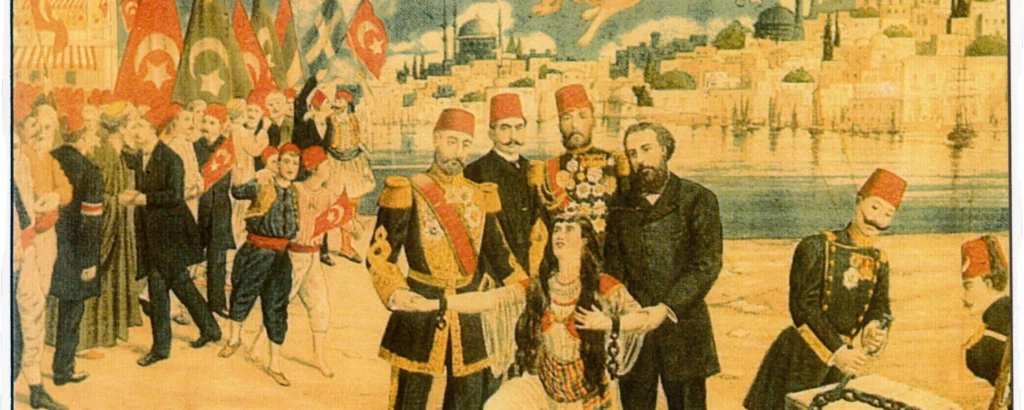
World War I and the End of the Ottoman Empire (1914–1922)
he final blow to the Ottoman Empire came with World War I. The Ottomans sided with the Central Powers (Germany, Austria-Hungary), but the empire’s forces were defeated by the Allied Powers (Britain, France, and Russia).
- Arab Revolt (1916–1918): The Arab population, led by figures like T.E. Lawrence, rose up against Ottoman rule in the Arab territories, aided by the British.
- The Sykes-Picot Agreement (1916): Britain and France secretly agreed to divide the Ottoman lands between them after the war.
- The Treaty of Sèvres (1920): This treaty officially dismantled the Ottoman Empire. The empire’s lands were partitioned, with Turkey losing large territories to Greece, Armenia, and France.
The Rise of Mustafa Kemal Atatürk
After the war, the Ottoman government collapsed, and the empire was officially dissolved. In the aftermath, Mustafa Kemal Atatürk led the Turkish War of Independence (1919–1923). Atatürk established the Republic of Turkey on October 29, 1923, officially ending the Ottoman Empire and creating a secular, modern state.
Legacy
The Ottoman Empire left a profound impact on the world. The cultural, architectural, and culinary legacies of the Ottomans can still be seen today in countries like Turkey, Balkans, North Africa, and the Middle East. While the empire itself is gone, its influence continues to shape the geopolitics and cultural landscapes of these regions.
Thanks for sharing. I read many of your blog posts, cool, your blog is very good.