
Cultural differences
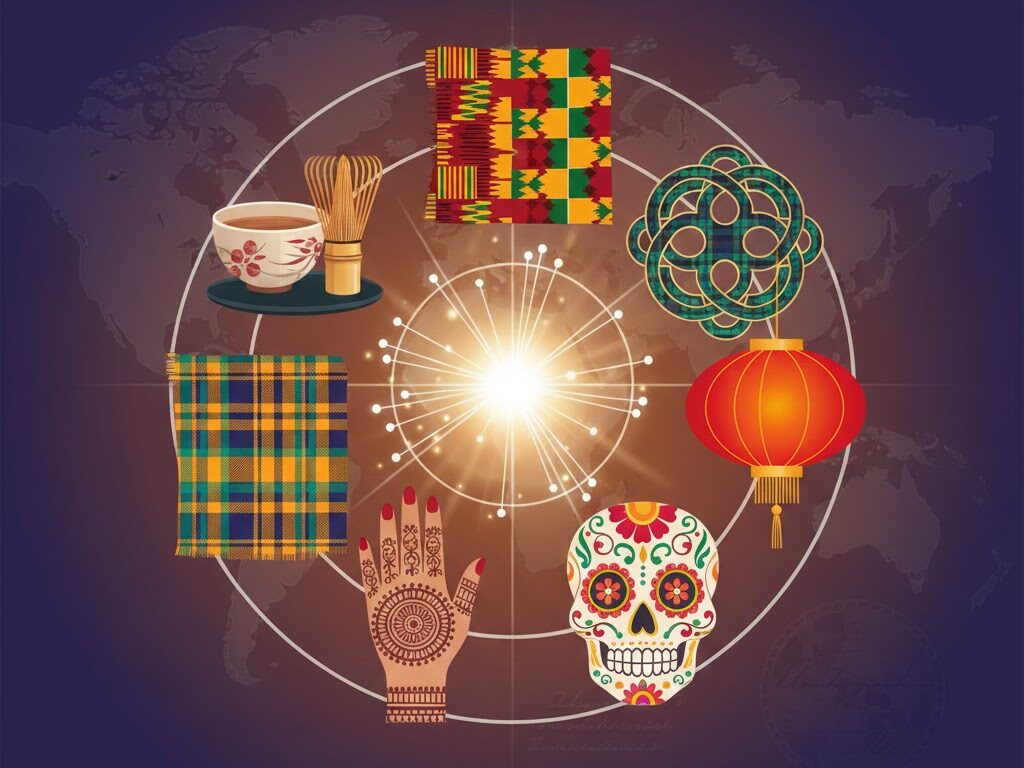
Cultural differences are the variations in socially acquired values, beliefs, and behaviors that distinguish one group from another, and they manifest in areas like communication, social etiquette, and decision-making.
These differences can be seen in everything from language and body language to how people approach conflict, work, and even exchange gifts, which can sometimes lead to misunderstandings if not handled with awareness.
Understanding these distinctions is key to fostering respect, tolerance, and more effective relationships between people from different backgrounds.
Significant points of cultural differences
Communication
Styles vary significantly, with some cultures preferring directness while others use indirect communication.
This includes differences in language, gestures, and even what topics are considered taboo.
Direct vs. Indirect: I
n some cultures (like many Western countries), people tend to communicate in a direct, clear-cut way.
In contrast, many Asian and Middle Eastern cultures value indirect communication to preserve harmony and respect.
Non-verbal Communication:
Gestures, body language, eye contact, and even personal space vary widely.
Social Behavior and Etiquette
What is considered polite or appropriate varies across cultures.
This can be seen in social customs, professional conduct, and the way people interact with authority figures.
Decision-making
Different cultures may have different approaches to decision-making, influenced by factors like their perspective on time, attitudes toward risk, and the importance of individual freedom versus collective good.
Customs and Traditions
From daily routines to major festivals and gift-giving practices, traditions are a clear and visible sign of cultural differences, with some gestures holding very different meanings in different parts of the world.
Time Orientation
Monochronic vs. Polychronic:
In monochronic cultures (e.g., the U.S. and Northern Europe), time is often seen as linear, and people prioritize punctuality, efficiency, and sticking to schedules.
In polychronic cultures (e.g., Latin America, Middle East), time is more fluid, and relationships or tasks may take precedence over strict adherence to the clock.
Social Hierarchies
Power Distance:
Cultures differ in how they handle authority and inequality.
In high power distance cultures (e.g., many Asian or Arab countries), there’s often a clear hierarchical structure, and people are expected to show respect for authority figures.
In low power distance cultures (e.g., Scandinavian countries), equality and flat organizational structures are more common.
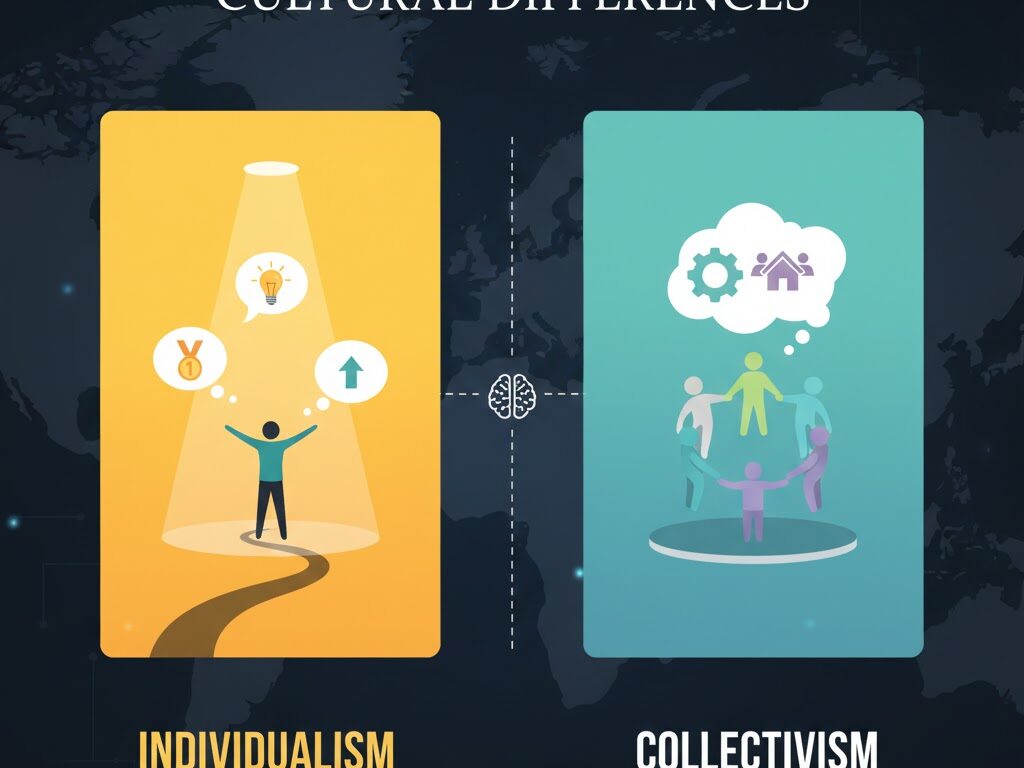
Individualism vs. Collectivism
Individualist (USA, Australia, UK, Netherlands, Canada): “I” culture, personal achievement, direct feedback.
ndividualistic Cultures: Western countries, like the U.S. and the UK, tend to emphasize individual rights, personal freedom, and self-reliance.
Collectivist (Most of Asia, Latin America, Africa): “We” culture, group harmony, saving face.
Collectivist Cultures: Many Asian, African, and Latin American cultures prioritize family, community, and group harmony over individual desires.
Food and Dining Customs
Meal Timing:
In some cultures, meals are major social events (e.g., Mediterranean countries), while in others, they are more functional (e.g., many Western cultures).
Food Etiquette:
What’s considered polite or respectful at the dining table can vary.
For example, in Japan, it’s common to slurp noodles as a sign of enjoyment, but in many Western cultures, slurping is seen as impolite.
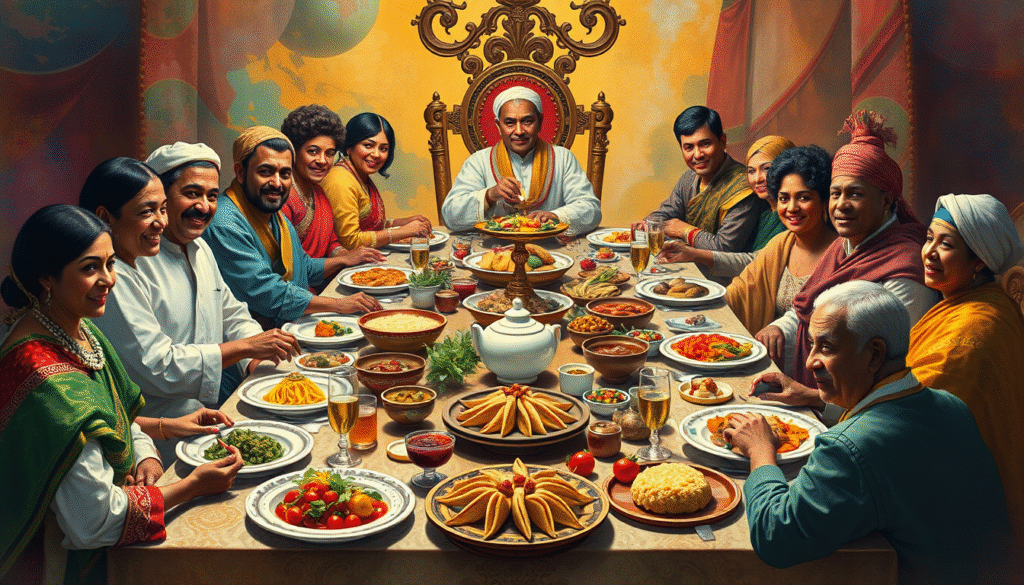
FOOD and Dining customs in different countries
Asia:
In Japan and China, avoid sticking chopsticks upright in a bowl or passing food from chopstick to chopstick, as these actions are associated with funeral rituals.
WhileIn Korea, it’s impolite to speak loudly during a meal.
In Thailand, forks are used to push food onto spoons, which are used to eat.
Europe:
In Italy, Russia, and Colombia, the fork remains in the left hand and the knife in the right throughout the meal.
Middle East, India, and Ghana:
It is customary to eat with your right hand, as the left hand is often considered unclean.
In Ghana and Morocco, a wash basin is passed around before the meal.
Italy:
Meals are typically enjoyed in a specific order: antipasto, primo (pasta), secondo (main course), and dolce (dessert).
It is considered a faux pas to order spaghetti with meatballs in a traditional restaurant, as the two are not typically served together.
Coffee, such as cappuccino, is generally consumed after a meal and not with it.
Religion and Spirituality
Monotheism: The belief in a single god, with examples in Judaism and Islam
Polytheism: The belief in multiple gods, as seen in ancient Greek and Roman religions
Animism: The attribution of divinity to non-human entities like animals and nature, as in some forms of Shinto.
Atheism: The disbelief in the existence of any deities.
Folk Religions: Faiths often tied to a specific people or tribe, blending local customs with other beliefs. Examples include African traditional religions and Native American religions.

Attitudes Toward Gender
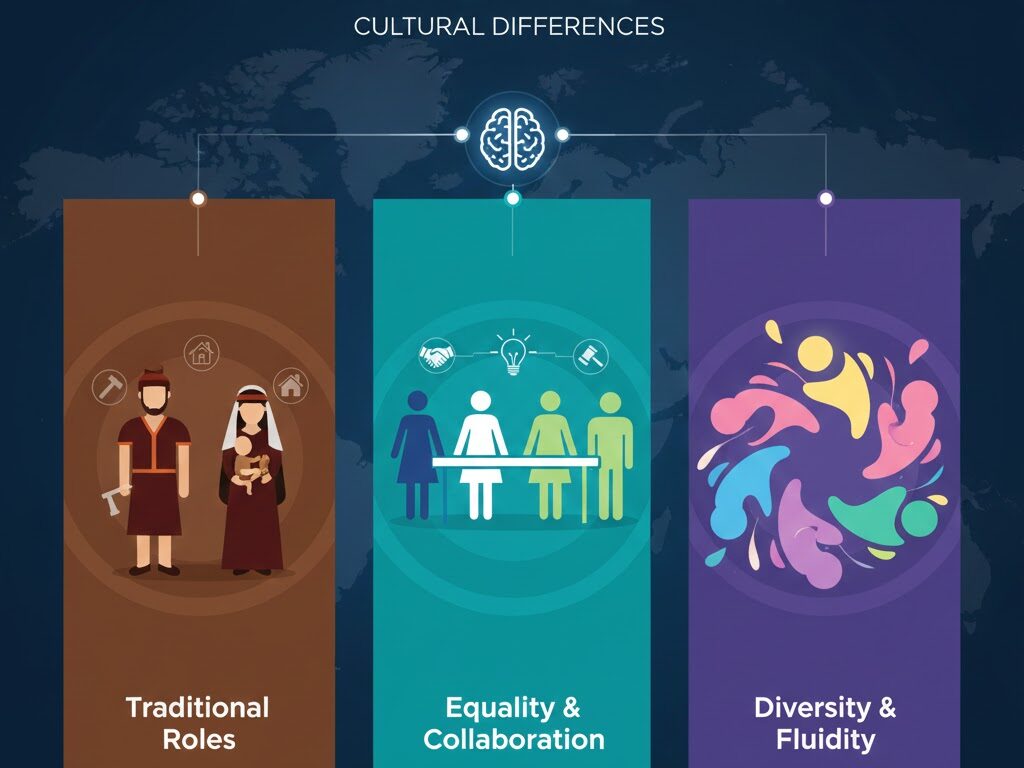
Attitudes toward gender customs vary significantly across nations, shaped by cultural, religious, and economic factors, resulting in diverse gender role expectations and equality levels.
Countries like Sweden, Norway, and Finland have high gender equality scores, while many patriarchal societies, particularly in South and Southeast Asia, show more traditional gender roles that can limit women’s independence and rights.
However, attitudes are not static and are evolving globally, with initiatives like the Unstereotype Alliance working to challenge stereotypes on a local level.
Culture and religion:
Cultural traditions and religious beliefs strongly influence gender roles, creating norms around family and public life.
Economic development:
Economic factors, such as women’s participation in the workforce and the availability of social support systems like parental leave, correlate with gender attitudes.
Historical context:
Some historical cultures, like certain Native American and African tribes, had matriarchal systems where women held significant power, a contrast to the more patriarchal models seen in many traditional European and Asian societies.
High gender equality:
“Nordic countries consistently rank high for gender equality, with the highest gender gap index score being held by Sweden among the countries listed.”
Patriarchal societies:
Some societies are identified as having highly patriarchal structures, with significant gender discrimination, where gender roles are deeply ingrained from a young age.
Organizations:
International organizations are working to change attitudes and challenge stereotypes, with national chapters of the Unstereotype Alliance launched across continents.
Evolving perspectives:
Even within countries, there is a wide spectrum of attitudes, with some ideologies favoring both women’s roles in the workforce and their role as caregivers (“liberal-egalitarianism”).
Legislation:
Countries are implementing laws to combat gender-based violence and promote equality, such as the EU’s efforts and the signing of the Istanbul Convention.