ARTIFICAL INTELLIGENCE: The Ultimate Guide to AI for 2025: What You Need to Know: ARTIFICAL INTELLIGENCE:
AI.
Artificial Intelligence (AI) has a history marked by periods of rapid progress and periods of reduced funding and interest, often referred to as “AI winters.” The field was formally established in 1956 at the Dartmouth Workshop. Early work focused on symbolic AI and expert systems, with significant advancements in the 1960s and 70s, including the development of the LISP programming language and early expert systems. Funding and interest surged again in the 2010s with the rise of deep learning and the availability of powerful GPUs
- Ancient Roots:
Philosophical discussions about the nature of thought and consciousness, as well as the creation of automatons, laid some of the groundwork for AI.
- Turing and the Test:
Alan Turing’s work in the mid-20th century, including the concept of a Turing test for machine intelligence, was pivotal.
- 1956 Dartmouth Workshop:
The term “artificial intelligence” was coined, and the field was officially launched as an academic discipline.
Symbolic AI and Expert Systems (1960s-1980s):
- Early Programs:
Researchers developed programs like Logic Theorist and General Problem Solver, which aimed to mimic human problem-solving.
- LISP and Expert Systems:
The LISP programming language emerged as a dominant language for AI development, and expert systems, like MYCIN, gained traction in areas like medical diagnosis.
- AI Winter:
The initial wave of enthusiasm was followed by a period of reduced funding and disappointment due to limitations in these early approaches.
The Rise of Neural Networks and Deep Learning (2010s-Present):
- GPU Acceleration:
The availability of powerful GPUs allowed for the development of more complex neural networks and accelerated deep learning techniques.
- Significant Advancements:
DeepMind’s AlphaGo defeating the world Go champion, and the increasing capabilities of large language models, marked significant milestones.
- The AI Boom:
The rapid progress in generative AI, including the ability to create and modify content, has led to widespread adoption and ethical concerns. Key Figures and Technologies:
- Alan Turing:
His theoretical work and the Turing Test were foundational.
- John McCarthy:
He coined the term “artificial intelligence” and organized the Dartmouth workshop.
- Deep Blue and DeepMind:
These advancements demonstrated the power of AI in game playing and other domains.
- GPT-4 and LaMDA/PaLM2:
These large language models have pushed the boundaries of natural language processing and generation.
- Generative AI:
Models like DALL-E and Midjourney have demonstrated the creative potential of AI. Ongoing Developments and Future Directions:
- AI Regulation:
Discussions and regulations are emerging to address the ethical implications and potential risks of AI.
- Artificial General Intelligence (AGI):
The quest for AI that can match human intelligence across all domains continues.
- AI in Various Industries:
AI is rapidly transforming industries like healthcare, finance, and transportation
Types of AI:
Artificial Intelligence (AI) refers to the simulation of human intelligence in machines that are programmed to think and learn. These systems can perform tasks typically requiring human intelligence, such as:
• Understanding language (like this conversation)
• Recognizing images or faces
• Making decisions
• Learning from data
There are different types of AI:
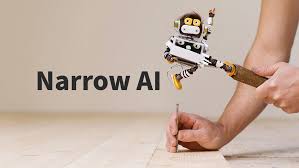
- Narrow AI – Specialized in one task (e.g., Siri, Google Maps, ChatGPT).
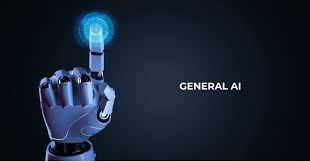
- General AI – Theoretical; would be able to perform any intellectual task a human can do.
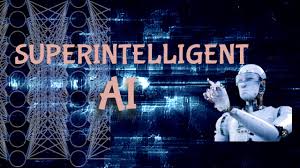
- Superintelligent AI – A hypothetical AI that surpasses human intelligence in all fields.
AI is used in many areas, including:
• Healthcare (diagnosis, drug discovery)
• Finance (fraud detection, trading algorithms)
• Entertainment (recommendation engines, game AI)
Artificial intelligence (AI) can be categorized into different types based on functionality and capabilities. Functionally, AI can be classified into Reactive Machines, Limited Memory, Theory of Mind, and Self-Aware AI. In terms of capabilities, AI is often described as Narrow AI, General AI, and Super AI.
Functional Classifications:
Reactive Machines:
These AI systems only react to current input and don’t store past experiences or future predictions. An example is Deep Blue, the chess program.
- Limited Memory:
These systems can store past data (e.g., sensor data in self-driving cars) to inform future decisions. They have a limited, temporary memory.
- Theory of Mind:
This type of AI is not yet fully developed but would involve understanding human emotions, beliefs, and intentions.
- Self-Aware:
This is a hypothetical type of AI with consciousness and self-awareness, which is currently considered a futuristic concept. Capability Classifications:
- Narrow AI (also known as Weak AI):
This is the most common type of AI, designed for specific tasks (e.g., virtual assistants like Siri or Alexa).
- General AI (also known as Strong AI):
This type of AI would be capable of performing any intellectual task that a human being can.
- Super AI:
This is a hypothetical AI that surpasses human intelligence in all aspects.
An artificial intelligence (AI) website leverages AI technologies to enhance user experience and provide intelligent interactions. These websites utilize AI for various purposes, including website building, content creation, search, and more.
AI Website Builders:
- Wix: Offers an AI website builder that simplifies the process of creating and customizing websites, especially for users with limited technical expertise.
- Squarespace: Known for its focus on creative businesses, Squarespace provides AIpowered tools for design and content creation.
- 10Web: An AI cloud platform that automates WordPress website creation, management, and optimization.
HubSpot: Offers a free AI website generator that creates custom websites based on user input.
- Shopify: Provides AI tools for building and managing online stores.
GoDaddy: Offers an AI website builder for rapid website setup and customization
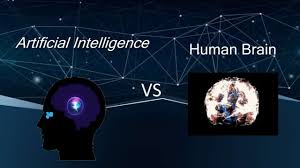
ARTIFICAL INTELLIGENCE VS HUMAN INTELLIGENCE:

Artificial intelligence (AI) and human intelligence differ significantly in their nature and capabilities. AI relies on algorithms and data to perform tasks, while human intelligence encompasses cognitive processes, emotional understanding, and adaptability. AI excels in data-driven tasks and repetitive actions, whereas humans excel in creativity, critical thinking, and complex decision-making.
AI Intelligence:
- Focus:
AI systems are designed to mimic human-like cognitive functions, such as learning, problem-solving, and decision-making.
- Foundation:
AI relies on algorithms and data to analyze information and make predictions or take actions.
- Strengths:
AI excels in tasks that require processing large amounts of data, identifying patterns, and automating repetitive actions.
- Limitations:
AI currently lacks the capacity for genuine consciousness, emotions, and the ability to adapt to unforeseen circumstances in the same way humans do.
Human Intelligence:
- Focus:
Human intelligence is a broad concept that includes reasoning, planning, problemsolving, abstract thinking, and learning from experience.
Foundation:
Human intelligence is rooted in biological and cognitive processes, including emotional and social intelligence.
- Strengths:
Humans excel in creative thinking, complex decision-making, and understanding nuanced situations.
- Limitations:
Human intelligence can be slower than AI in processing large datasets and may be prone to biases.
.
Collaboration:
- The key takeaway is that AI and human intelligence are not mutually exclusive but rather complementary.
- AI can be used to augment human capabilities, allowing humans to focus on tasks that require critical thinking, creativity, and emotional intelligence.
- This collaboration can lead to increased efficiency and innovation across various
industries
THERE ARE SOME MORE COMPARISONS:

- Nature of Intelligence
- AI:
- Programmed intelligence
- Operates on algorithms, data, and rules o Lacks emotions and consciousness Humans:
- Natural intelligence
- Capable of emotion, intuition, creativity, and self-awareness o Adapts based on experience, not just data
- Programmed intelligence
2. Learning Ability
- AI: o Learns from large datasets (machine learning) o Can process vast amounts of information quickly
- Needs training and supervision Humans:
- Learn from experience, emotions, environment, and interaction o Flexible, intuitive, and can learn with minimal data o Prone to biases and forgetfulness
- Speed and Efficiency
- AI:
- Much faster at processing and analyzing data o Can work 24/7 without fatigue
- Humans:
- Slower with data-heavy tasks o Limited focus and energy
- AI:
- Creativity and Emotion
- AI:
- Can simulate creativity (e.g., generating music or art), but lacks genuine innovation
- Has no real emotions or empathy
- Humans:
- Capable of deep creativity, imagination, and emotional intelligence o Create meaning and express unique thoughts
- AI:
- Decision Making
- AI:
- Data-driven and objective
- May struggle with ambiguous or moral decisions
- Humans:
- Use logic, ethics, and emotions
- Can make decisions in uncertain or value-based situations
- AI:
- Adaptability
- AI:
- Performs well in structured environments o Needs retraining when conditions change Humans:
- Highly adaptable to new or unexpected situations o Can apply abstract thinking and past experience
- AI:
AI Vs Automation
Neither AI nor automation is inherently “better” than the other; they serve different purposes and excel in different areas. Automation is ideal for repetitive, rule-based tasks, while AI excels at tasks requiring learning, adaptation, and complex decision-making. The choice between them depends on the specific needs of the task at hand.
Here’s a more detailed breakdown:
Automation:
- Focus: Streamlining repetitive, predictable tasks.
- Key Features: Executes tasks based on pre-defined rules, consistently and reliably. Examples: Data entry, order processing, manufacturing assembly line.
- Pros: Increases efficiency, reduces human error in routine tasks, lowers operational costs.
- Cons: Limited adaptability to changing conditions, requires manual reprogramming for new tasks. AI:
- Focus:
Handling complex tasks that require learning, adaptation, and decision-making.
- Key Features:
Learns from data, identifies patterns, makes predictions, and adapts to new situations.
- Examples:
Customer service chatbots, fraud detection, predictive maintenance.
- Pros:
Enhances decision-making capabilities, provides insights from data analysis, enables more dynamic and intelligent workflows.
- Cons:
Can be more complex to implement and require significant data input, may be more costly than basic automation.
The Key Difference:
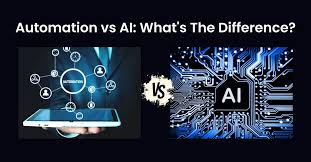
The fundamental difference lies in their adaptability. Automation performs tasks consistently based on rules, while AI can learn and adapt to new situations.
situations.
When to Choose Which:
- Choose Automation when:
Tasks are repetitive, rules-based, and don’t require significant adaptation.
- Choose AI when:
Tasks involve complex decision-making, require learning from data, and need to adapt
Feature Automation Artificial Intelligence (AI)
Use of machines/systems to perform tasks with Simulation of human intelligence in
Definition
minimal human input machines
Adaptive (learns, makes decisions,
Flexibility Rule-based (fixed, repetitive tasks)
handles variety)
Learns from data (machine learning,
Learning No learning – follows pre-set rules
deep learning)
Feature Automation Artificial Intelligence (AI)
ChatGPT, self-driving cars, facial
Examples Assembly lines, auto-emails, bank ATMs recognition
When Automation is Better:
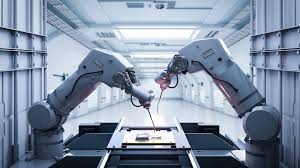
- Repetitive tasks with fixed steps
- g., invoice processing, email sorting, manufacturing lines)
- Cost-effective and reliable in structured environments
Easier to implement and maintain
When AI is Better:
- Complex tasks requiring learning or adaptation
- g., fraud detection, language translation, recommendation systems)
- Situations where data patterns matter or where decisions vary
Personalization and handling unstructured
Benefits of AI:
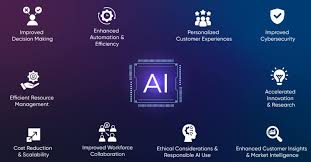
1. Increased Efficiency & Automation
- Automates repetitive or time-consuming tasks (e.g., data entry, scheduling, customer service).
- Increases productivity by allowing humans to focus on higher-level work.
- Works 24/7 without fatigue
2. Improved Decision Making
- Analyzes massive datasets quickly and accurately.
- Provides insights, forecasts, and risk assessments to support better business and policy decisions.
- Helps in real-time decision-making (e.g., fraud detection, stock trading).
3. Advancements in Healthcare
- Assists in diagnosing diseases (e.g., cancer detection from scans).
- Supports personalized medicine by analyzing patient data.
- Accelerates drug discovery and development
4. Transportation & Safety
- Powers autonomous vehicles and traffic management systems.
- Enhances safety through predictive maintenance and accident prevention.
- Improves logistics and supply chain efficiency.
5. Economic Growth & Innovation
- Drives new industries and job roles (e.g., AI ethics, data science).
- Boosts innovation in fields like robotics, finance, agriculture, and energy.
- Enables startups and small businesses to scale operations more effectively
6. Environmental Impact
- Helps monitor and respond to climate change (e.g., satellite data analysis).
- Optimizes energy usage in smart grids and buildings.
- Aids in sustainable agriculture through precision farming
7. Personalized Learning & Education
- Adapts content to individual learning styles and paces.
- Offers tutoring, language learning, and accessibility tools.
- Analyzes student performance to improve teaching strategies
8. Enhanced Customer Experience
- AI chatbots and virtual assistants provide instant support.
- Personalizes product recommendations and content (e.g., Netflix, Amazon).
- Improves user interfaces through natural language processing and voice recognition
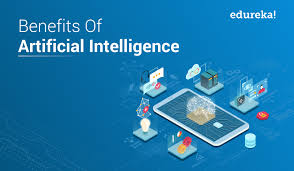
Benefits of AI:
ROLE IN EDUCATION:
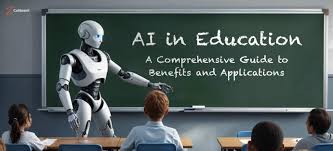
The Cambridge Dictionary defines artificial intelligence as “the use or study of computer systems or machines that have some of the qualities that the human brain has”. Examples of these qualities include “the ability to interpret and produce language in a way that seems human, recognise or create images, solve problems and learn from data supplied to them”. Ultimately, the main objective of AI is to optimise routine processes by improving both the speed and efficiency at which they are usually done.
The Department for Education is keen to understand the views and experiences of generative artificial intelligence (GenAI) of those working in education and held a call for evidence in 2023. They are investigating how GenAI can be used in education to improve learning experiences for students and make teachers’ jobs easier. GenAI is defined as “an artificial intelligence system that generates text, images, audio, video or other media in response to user prompts” by the Alan

Examples of how AI can be applied to education include to:
- Automate administrative tasks, such as the marking and grading of work.
- Provide personalised learning and support. Teachers could use AI to design personalised learning paths for each student, taking into consideration their learning preferences, strengths and weaknesses.
- Provide personalised feedback to students. Education professionals should provide students with explanations of how to improve their work, but this process can be time-consuming. Some students may find that the feedback they receive from their teacher or tutor can be critical and feel embarrassed by it. They may not make use of or engage with the feedback. Instead, AI-generated feedback is more efficient and can be an effective format for students who struggle with responding to constructive feedback.
- Expand online learning opportunities. For example, teachers could use AI to quickly create educational games, quizzes or other activities which assess and teach students. This virtual learning can create a personalised learning experience by monitoring the responses of the student and adapting the task to be easier or more challenging depending on whether they get something right or wrong.
- Create course and lesson plans. AI-generated plans can be created by inputting the information that needs to be covered during a course or lesson. These can be tailored specifically to a class, student or syllabus.
- Identify where students may need extra help. AI can analyse data including assessments and use this to identify gaps in knowledge and skill.
- Provide a chatbot to answer queries. Chatbots may be suitable at universities, where students can ask questions and immediately get the information they need. They may give information about student services, courses or admissions.
- Give education professionals a “virtual assistant” which can complete computer-based tasks and reduce their workload.
- Give students their own “virtual tutor”. This would be personalised entirely to the needs of the individual and provide them with additional support alongside their teacher.
ROLE OF AI IN HEALTH:
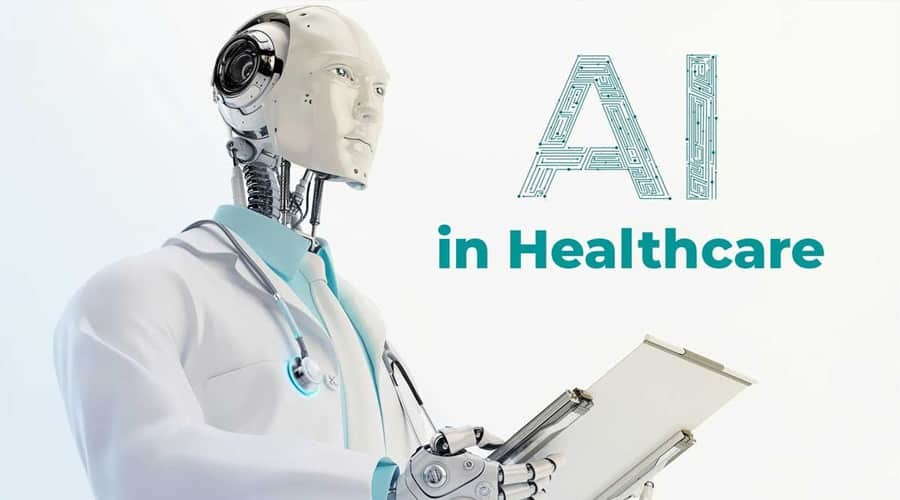
1. Diagnostics and Early Detection:
• AI algorithms can analyze medical images (X-rays, CT scans, MRIs) with high accuracy, detecting subtle signs of diseases like cancer or heart conditions that might be missed by the human eye, according to a study from LPU.
• This early detection allows for timely intervention and more effective treatment, potentially improving patient outcomes and reducing healthcare costs.
• AI can also analyze pathology samples and genetic data to identify disease risks and personalize preventative care

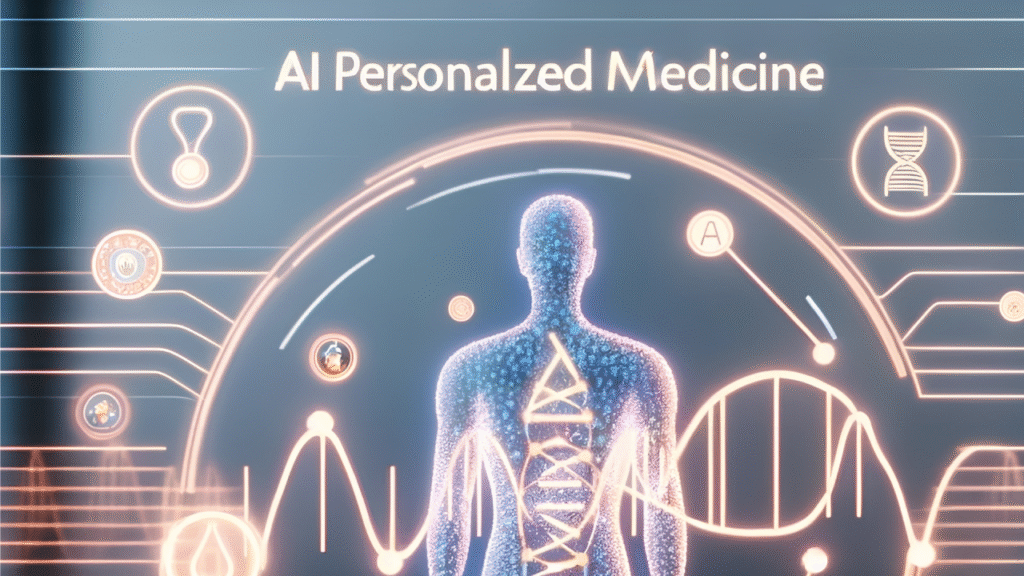
2.Personalized Treatment and Medication:
- AI can analyze patient data (medical history, genetics, lifestyle) to create tailored treatment plans and predict individual responses to different therapies.
- This personalized approach can lead to more effective treatments with fewer side effects and optimize medication dosages.
AI is also used in drug discovery, analyzing vast datasets to identify potential drug candidates and accelerate the development of new treatments
3.Improved Operational Efficiency:
- AI can automate administrative tasks such as appointment scheduling, billing, and record management, freeing up healthcare professionals to focus on patient care.
- AI-powered systems can predict patient admissions, optimize resource allocation (beds, staff, equipment), and improve overall hospital efficiency.
Virtual assistants powered by AI can provide patients with information, answer common questions, and even offer support for mental health conditions
4.Remote Patient Monitoring and Management:
- AI can analyze data from wearable devices and remote monitoring systems to track patient health in real-time.
- This allows for proactive interventions, early detection of potential issues, and reduced hospital readmissions.
AI-powered systems can also facilitate remote consultations and virtual visits, making healthcare more accessible, especially for patients in remote areas
- Streamlined Care Coordination:
- AI can improve communication and coordination among healthcare teams by automating tasks, prioritizing patient needs, and facilitating seamless information sharing.
- This leads to more efficient and coordinated delivery of care, reducing errors and improving patient safety.
- Addressing Healthcare Challenges:
- AI can help address some of the most pressing challenges in healthcare, such as rising costs, inefficiencies, and the growing demand for high-quality care.
- By optimizing resource allocation, automating tasks, and improving treatment outcomes, AI can help reduce healthcare costs and improve the overall efficiency of the system.
- AI can also help address the shortage of healthcare professionals by automating tasks and providing support to clinicians.
- Ethical Considerations and Challenges:
- While AI offers tremendous potential in healthcare, it’s crucial to address ethical considerations and potential challenges, such as data privacy, algorithmic bias, and the need for human oversight in AI-driven systems.
- Ensuring data privacy, maintaining the authenticity of AI-powered tools, and providing proper training for healthcare professionals are crucial for responsible AI integration in healthcare.
A human-centered approach to AI implementation is essential, ensuring that AI tools are designed to complement human expertise and improve, rather than replace, the human
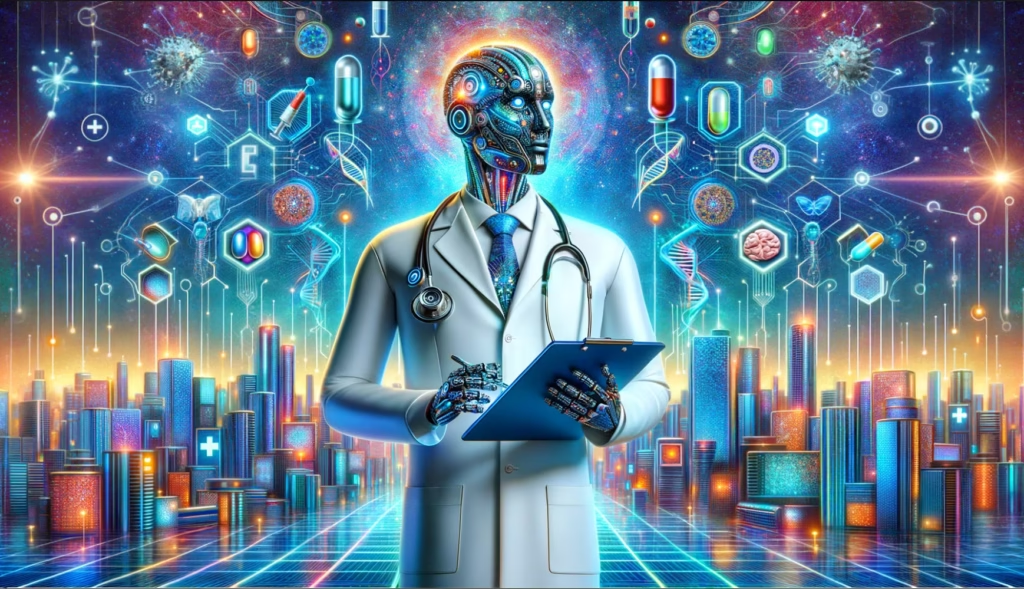
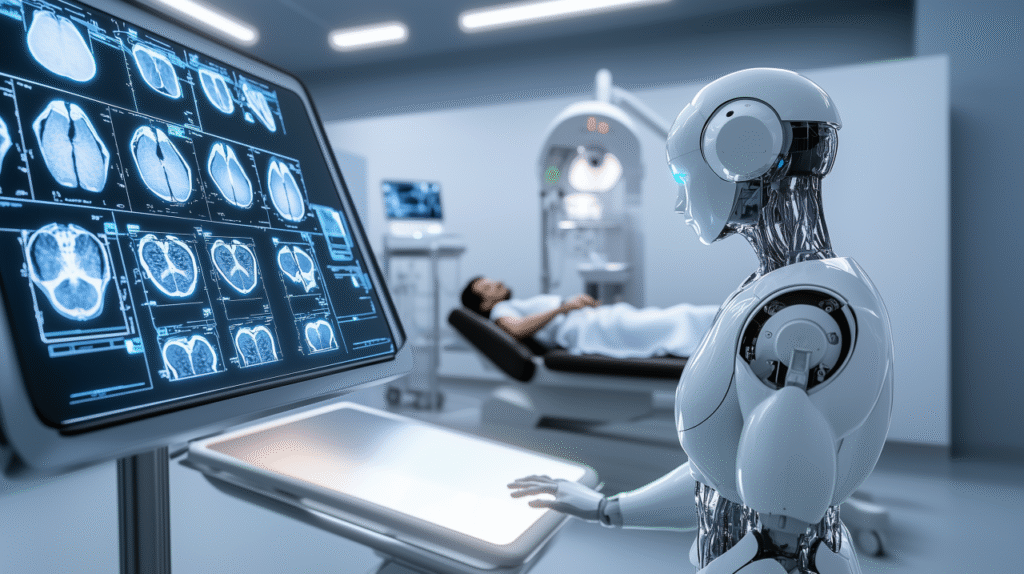
AI In Disease Diagnosis
AI helps doctors diagnose diseases faster and more accurately.
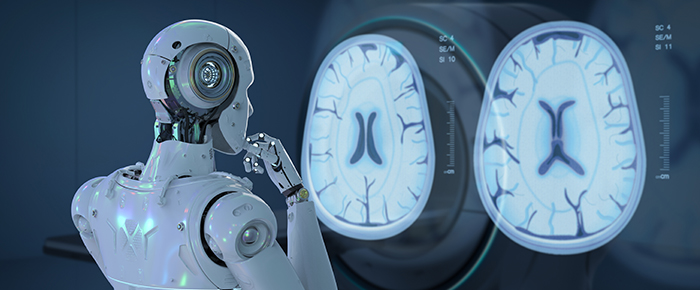
- Medical imaging: AI analyzes X-rays, CT scans, and MRIs to detect cancer, fractures, or brain disorders.
- Skin cancer detection: Apps use AI to identify malignant moles through photos. Pathology: AI scans tissue samples to find abnormalities.
Benefits: Early detection, higher accuracy, faster results
2. Predictive Analytics
AI analyzes patient data to predict risks and prevent problems before they happen.
- Predicting risk of heart attack, stroke, or hospital readmission
- Monitoring chronic conditions like diabetes or hypertension
- Identifying early warning signs from wearable devices
Benefits: Preventive care, better outcomes, lower costs
- Drug Discovery & Development
AI speeds up the design, testing, and approval of new drugs.
- Predicts how molecules will interact with diseases
- Identifies potential drug candidates faster than traditional methods
- Accelerates vaccine development (e.g., COVID-19 research)
Benefits: Saves years of work and millions in cost
- Personalized Treatment (Precision Medicine)
AI creates custom treatment plans based on a person’s genetic data, lifestyle, and medical history.
- Tailoring cancer treatments to an individual’s tumor genetics
- Recommending mental health therapies based on patient behavior
Benefits: More effective, less harmful treatment
- Virtual Health Assistants & Chatbots
AI-powered tools assist patients 24/7.
- Symptom checkers Medication reminders
- Mental health support (e.g., AI chat therapy)
Benefits: Improves access, supports remote care, lowers workload for staff

- Operational Efficiency
AI optimizes hospital management.
- Managing staff schedules
- Predicting patient flow and ER demand
- Automating paperwork and insurance processing
Benefits: Saves time, reduces errors, improves service
Conclusion: AI in Healthcare
Role Impact
Diagnosis Faster, more accurate
Prevention Predicts risks, improves outcomes
Drug development Speeds up research
Personalized care Tailored treatment for better results
Virtual support Increases access, reduces workload
AI future jobs & Courses:
Artificial intelligence (AI) is creating new job opportunities across various sectors, even as it automates some existing roles. Some of the most promising AI-related jobs include AI research scientists, machine learning engineers, AI trainers, and AI ethicists, with roles focused on human-AI interaction and AI cybersecurity also emerging. While some roles may be displaced by AI, particularly in areas like data entry and basic customer service, the overall impact is expected to be a net positive in terms of job creation and economic growth.
COURSES:
Artificial Intelligence (AI) courses cover a wide range of topics, from foundational concepts to advanced techniques and applications across various industries. Popular areas include machine learning, deep learning, neural networks, natural language processing, and generative AI. Many courses offer hands-on projects, practical experience, and focus on real-world use cases.
Types of AI Courses:
- Introductory AI: These courses provide a broad overview of AI concepts, types of AI, and its applications.
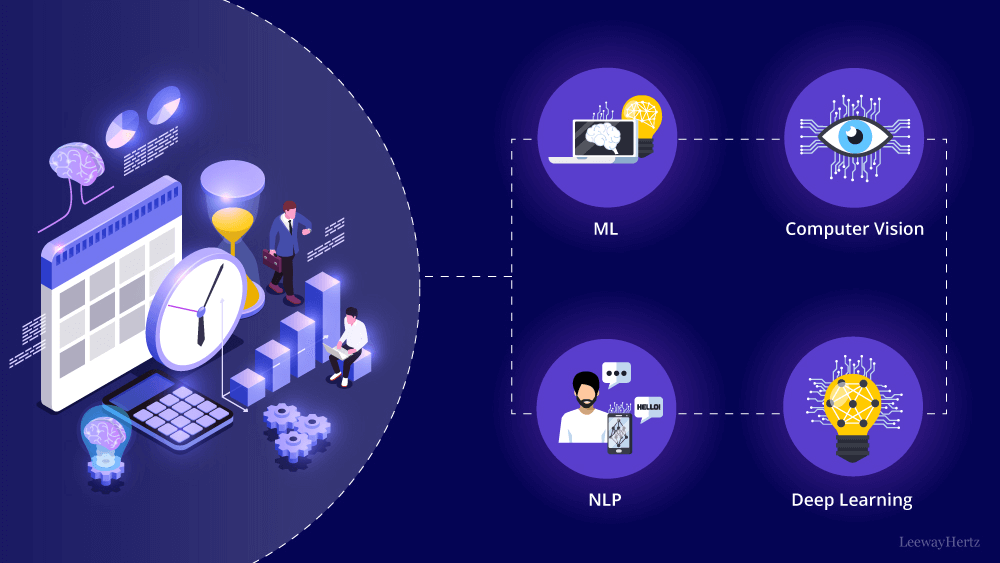
- Machine Learning: Focus on algorithms for teaching machines to learn from data, including supervised and unsupervised learning.
- Deep Learning: Explores neural networks and their applications in complex tasks like image and speech recognition.
- Generative AI: Covers models like LLMs (Large Language Models) and their ability to generate text, images, and other content.
- AI for Specific Industries: Tailored courses for fields like healthcare, finance, and marketing.
- AI Programming: Focuses on using programming languages like Python to build AI models and applications.
- AI Ethics: Explores the ethical implications of AI and its impact on society. Where to Find AI Courses:
- Online Platforms: Coursera, Udacity, edX, Class
Central, Codecademy, YouTube, YouTube, YouTube offer a wide range of AI courses from various universities and institutions.
- Universities: Many universities offer AI courses and degree programs.
- Companies: Companies like IBM, Google, and Amazon Web Services offer introductory and specialized AI courses. Key Skills Covered:
- Programming: Python is the most common language for AI development.
- Machine Learning Algorithms: Linear regression, logistic regression, decision trees, neural networks.
- Deep Learning Frameworks: TensorFlow, PyTorch.
- Natural Language Processing: Techniques for understanding and processing human language.
- Generative AI: Large Language Models (LLMs), RAG (Retrieval Augmented Generation).
- AI Ethics and Governance: Understanding the ethical implications of AI and its
Artificial Intelligence (AI) presents several disadvantages despite its numerous benefits. These include potential job displacement due to automation, ethical concerns related to bias and data privacy, the risk of over-reliance on technology, and the high cost of development and implementation. Furthermore, AI systems can lack creativity, emotional intelligence, and the ability to handle complex, nuanced situations
Here’s a more detailed look at the disadvantages:
- Job Displacement:
- AI-powered automation can lead to job losses in various sectors as machines replace human workers in repetitive or routine tasks.
- While AI may create new jobs in the tech sector, the transition can be challenging, and some workers may not have the skills to adapt.
- Ethical Concerns:
- Bias:
AI algorithms can perpetuate and amplify existing societal biases present in the data they are trained on, leading to unfair or discriminatory outcomes.
- Privacy:
AI systems often require large amounts of data, raising concerns about data privacy and security.
- Lack of Transparency:
The decision-making processes of some AI systems can be opaque, making it difficult to understand why they make certain predictions or recommendations.
- Accountability:
Determining responsibility when an AI system makes an error or causes harm can be challenging.
- Over-reliance and Reliability:
- Over-dependence on AI systems can make individuals and organizations vulnerable to system failures or malfunctions.
- Ensuring the reliability and robustness of AI systems, especially in critical applications, is a significant challenge.
- Creativity and Emotional Intelligence:
- AI systems, while excelling at logical reasoning and pattern recognition, often struggle with creativity, emotional intelligence, and subjective decision-making.
- This can be a limitation in fields requiring human-centered approaches, such as art, design, and certain aspects of customer service.
- Cost:
- The development and implementation of AI systems can be expensive, requiring significant investment in hardware, software, and expertise.
- This cost can be a barrier to entry for smaller businesses or organizations with limited resources.
- Other Concerns:
- Human Laziness: Over-reliance on AI can lead to a decline in human cognitive skills and problem-solving abilities, potentially making people less adaptable.
- Security Risks: AI systems can be vulnerable to cyberattacks and malicious manipulation.
- Environmental Impact: The energy consumption of AI systems, particularly large language models, can contribute to environmental concerns.
Pingback: The Future of Artificial Intelligence in Everyday Life - Fact Hub
Pingback: The Impact of Artificial Intelligence on Jobs - Fact Hub
Pingback: Future of smartphones what to expect in 2030 and Beyond - Fact Hub
Pingback: ELON MUSK`s Bold Ideas That Changed the world. - Fact Hub
Pingback: The Rise Of Quantum Computing - Fact Hub
Pingback: The Rise Of Neuromorphic Computing : Mimicking the Human Brain - Fact Hub
Pingback: 10 Mind -Blowing facts about AI Nobody told you - Fact Hub