
15 Unbelievable Fact About Mughal Empire
The Mughal Empire, despite its well-known history of architectural achievements and political dominance, held some fascinating and often surprising aspects. Here are 20 unbelievable facts about the Mughal Empire:
1.MUGHAL WERE NOT INDIAN
The Mughal rulers of India were of Central Asian Turkic and Mongol origin, but they established a long-lasting empire in the Indian subcontinent and became deeply integrated into Indian society and culture. While their ancestry was foreign, they ruled for over three centuries and their influence is evident in Indian history, culture, and architecture.
Here’s a more detailed breakdown:
- Ancestry:
The Mughal dynasty was founded by Babur, a descendant of Timur (on his father’s side) and Genghis Khan (on his mother’s side). They were originally of Central Asian Turkic and Mongol origin.
- Integration into India:
Over time, the Mughals became deeply rooted in Indian culture. They adopted Persian as the court language and engaged with local traditions, contributing significantly to Indian art, architecture (like the Taj Mahal), and cuisine.
- Indian Identity:
While they maintained a sense of their Central Asian heritage, particularly in the early years, the Mughal rulers also identified with and ruled over the Indian population. Some scholars argue that the Mughals became more Indian than foreign over time due to their long rule and cultural exchange.
- Legacy:
The Mughal Empire transformed India, leaving behind a rich legacy that continues to shape the country’s identity, especially in areas like architecture, language, and administration.
2.AKBAR can not write and read
No, the Mughal emperor Akbar was famously illiterate, according to historical accounts. While he appreciated literature and had books read to him, he
himself could not read or write. It’s believed he may have had dyslexia, which made it difficult for him to learn these skills.
3.TAJ MAHAL CHANGES COLOUR
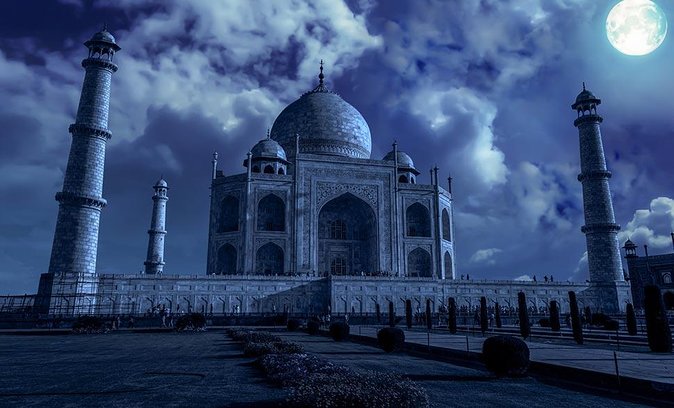
The Taj Mahal appears to change color throughout the day due to the way sunlight reflects off its white marble surface. It can appear pinkish in the morning, milky white in the afternoon, and golden or orange-bronze at sunset. At night, under moonlight, it can seem silvery-blue. These changes are a result of the shifting angle of the sun and the resulting light and shadow play on the monument.
Its morning view:
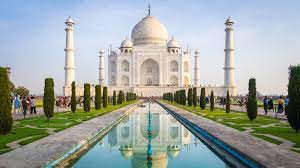
Here’s a more detailed breakdown:
- Morning (Sunrise):
The soft, golden light of sunrise reflects off the marble, giving the Taj Mahal a pinkish or orange hue.
- Afternoon (Midday):
As the sun rises higher in the sky, the Taj Mahal appears bright white, showcasing its intricate carvings.
- Evening (Sunset):
The setting sun casts a golden or orange-bronze glow on the monument.
- Night (Moonlight):
Under a full moon, the Taj Mahal can appear silvery-blue due to the way the moonlight is reflected.
The Taj Mahal’s appearance also changes with the seasons and weather conditions. For example, in the rainy season, the marble may appear slightly darker due to the humidity
Here its night view:
4.MUGHALS WERE FOND OF PERFUMES
Yes, the Mughal emperors and their court were indeed fond of perfumes and fragrances
The Mughal emperor Akbar’s court historian documented the importance of perfumery, highlighting the emperor’s regular use of attar and incense, and even mentioning the existence of a dedicated department to manage the supply and preparation of these fragrances.
- Beyond Personal Use:
The use of perfumed breath through betel chewing was also common, signifying refinement and contributing to a positive atmosphere.
- Fragrance and Social Rituals:
Perfumes were incorporated into social interactions, such as during performances or at the end of gatherings, to enhance the experience and leave a lasting impression.
5. SHAHGHAN WANT TO BUILT BLACK TAJ MAHAL
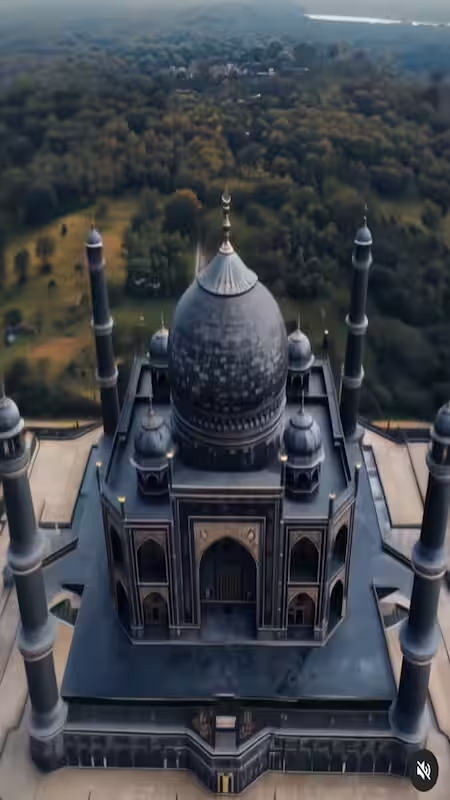
Yes, there’s a popular legend that Shah Jahan planned to build a second Taj Mahal in black marble across the Yamuna River as his own mausoleum This “Black Taj Mahal” was intended to mirror the existing white Taj Mahal built for his wife, Mumtaz Mahal. However, his son Aurangzeb deposed him before this could be realized.
Here is the pics:
Here’s a more detailed explanation:
- The Legend:
The legend of the Black Taj Mahal suggests Shah Jahan wanted a symmetrical mausoleum for himself, mirroring the white Taj Mahal.
- Black Marble:
The idea is that this second mausoleum would be constructed from black marble, contrasting with the white marble of the original.
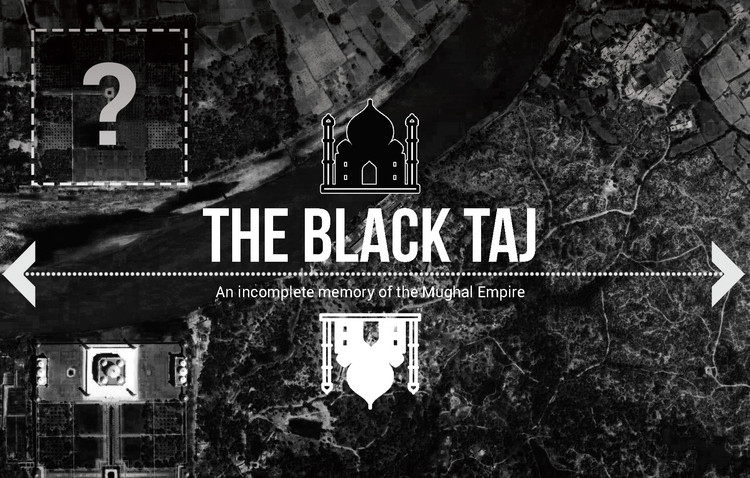
- Mehtab Bagh:
Archaeological excavations in Mehtab Bagh, across the Yamuna, have uncovered what appear to be black marble foundations, fueling speculation about the Black Taj Mahal.
- Historians’ Perspective:
While the legend is captivating, most historians and archaeologists believe it’s more myth than fact.
- Contemporary Accounts:
Contemporary accounts of the time, other than one by Jean-Baptiste Tavernier, do not mention this plan for a second mausoleum.
- No Concrete Evidence:
Archaeological evidence is lacking, and the ruins found in Mehtab Bagh are believed to be white marble that discolored over time.
- Aurangzeb’s Role:
Shah Jahan was deposed by his son Aurangzeb before any such plan could be executed,
Here is the geographic info:
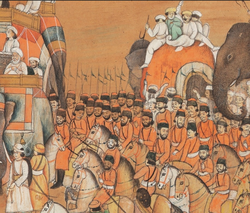
6.MUGHAL ARMY WAS HUGE
Yes, the Mughal army was indeed very large, especially during the height of the empire. At its peak, it was one of the largest military forces in the world. Estimates range from hundreds of thousands to millions of soldiers, including infantry and cavalry
It can be guessed by this image:
Here’s a more detailed look:
- Size and Composition:
The Mughal army was a mix of professional soldiers and conscripts. By the time of Emperor Akbar’s death, the standing army consisted of around 300,000 professional soldiers, which could be expanded to 900,000 with conscripts.
- Mansabdari System:
The army was organized through the Mansabdari system, where officers were assigned ranks (mansabs) and responsible for providing a specific number of cavalrymen.
- Key Components:
The army included infantry, cavalry, war elephants, and artillery.
- Key Figures and Battles:
The Mughal army played a crucial role in the empire’s expansion and consolidation of power. Notable figures like Akbar led the army in numerous battles and campaigns.
- Challenges and Decline:
While the Mughal army was powerful, it also faced challenges. Internal conflicts, rebellions, and external invasions contributed to the empire’s decline. The army’s effectiveness also declined in later periods, making it difficult to suppress rebellions and defend against invaders
7.THE GREAT JAHANGIR HAS A ZOO IN HIS PALACE
Yes, it is true that the Mughal emperor Jahangir maintained a zoo within his palace.
He was known for his keen interest in natural history and collected various animals, birds, and plants. Jahangir even had artists document these specimens through detailed paintings Mentions that Jahangir’s fascination with the natural world might have stemmed from his indolence as a ruler, leading him to focus on personal pursuits rather than imperial expansion.
Almost 400 years ago, Mughal emperor Jehangir acquired a new animal in his private collection or zoo – the zebra. This unusual, striped animal fascinated him so much that he wrote about it in his memoirs as a strange creature. Some even imagined that the animal’s stripes had been painted!
The emperor decided to find out whether the zebra was indeed coloured or not. After much investigation, he made it public that the zebra, too, was a creature created by god. The stripes were natural, they had not been painted upon!
All through history, kings and emperors have kept private collections of animals to please themselves and to increase their status. The first zoo of the kind that we are familiar with today, was built in 1759, from such an animal collection, near Vienna, Austria.
The first zoo in India, too, probably came from the private collection of Raja Rajendra Mallick in 1854. The Marble Palace Zoo, as it was called, still exists in Calcutta.
Not content with establishing the Marble Palace Zoo, Mallick helped found the Alipore
Zoological Garden too, which housed birds and animals of different kinds and attracted people from far and wide, according to an article in a beautifully brought out information and activity manual, appropriately called ‘Wild at the Zoo’.
Brought out by the Ahmedabad-based Centre for Environment Education, the imaginatively designed book is a storehouse of information that makes us look with new eyes at zoos and at the definition of ‘wild’ animals.
Wild at the Zoo’ lists out some of the well-known zoos in India: the National Zoological Park in New Delhi, Venkateswara Zoological park in Thirupati in Andhra Pradesh state, Indira Gandhi Zoological park in Vishakhapatnam, Andhra Pradesh, the Nehru Zoological park in Hyderabad, Arignar Anna Zoological Park at Vandalur, Chennai and the Sri Chamarajendra Zoological Park in Mysore, Karnataka.
8.THE GREAT PEACOCK THRONE WAS PRICELESS
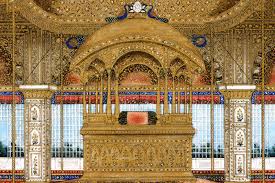
Yes, the Great Peacock Throne was considered priceless due to its immense value in terms of materials, craftsmanship, and historical significance.
It was commissioned by the Mughal Emperor Shah Jahan in the 17th century and was lavishly decorated with precious stones, pearls, and gold. The throne was not only a symbol of royal power and wealth but also a masterpiece of Mughal artistry, costing twice as much as the Taj Mahal.
Here’s why it was considered priceless:
- Costly Materials:
The throne was constructed with vast quantities of gold, precious stones like diamonds and rubies, and pearls.
- Exquisite Craftsmanship:
It took seven years to build, and its design, featuring two peacocks with gem-laden plumage, was a testament to the skill of Mughal artisans.
- Symbolic Importance:
The throne represented the glory, wealth, and power of the Mughal Empire and the reign of Shah Jahan.
- Historical Significance:
The throne was a unique and prized possession of the Mughal emperors, and its loss after Nader Shah’s invasion in 1739 marked a significant historical event.
Yes, that’s correct. Historical accounts state that the Shah Jahan’s Peacock Throne cost twice as much as the Taj Mahal, and. The throne was an incredibly extravagant piece, crafted from gold and precious stones.
IT looks like this:
9.MUGHAL UMPIRE LOSTED OVER 300 YEARS
Yes, the Mughal Empire did indeed last for over 300 years. It spanned from 1526 to 1857, or 1526 to 1858 depending on the specific end date used, This period covers the time from Babur’s founding of the empire to the Indian Rebellion of 1857, which marked the end of the Mughal rule and the beginning of British control.
Here’s a more detailed breakdown:
- Founding:
The Mughal Empire was established in 1526 by Babur, a Timurid prince who defeated the Lodi dynasty at the First Battle of Panipat.
- Peak:
The empire reached its zenith in the 16th and 17th centuries under emperors like Akbar, Jahangir, and Shah Jahan.
- Decline:
The empire began to decline in the 18th century, with increasing internal strife, external invasions, and the rise of regional powers.
- End:
The Mughal Empire officially ended in 1857 (or 1858) following the Indian Rebellion of
1857, also known as the Sepoy Mutiny. The last Mughal emperor, Bahadur Shah Zafar II, was exiled by the British.
10.MUGHAL LIBRARY
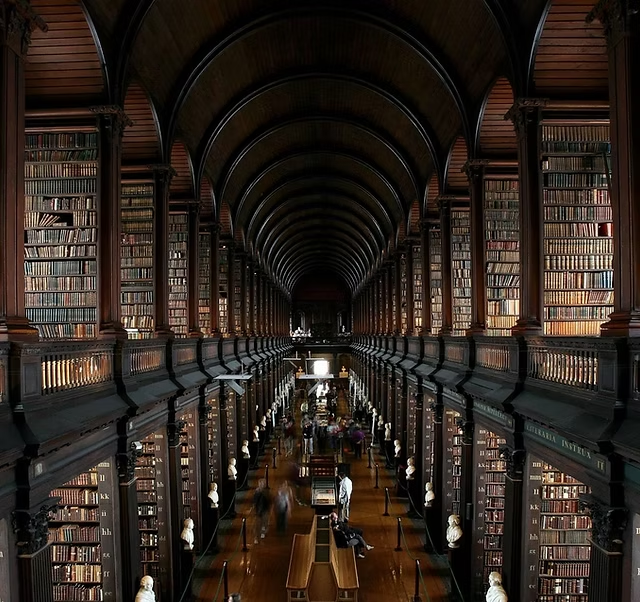
The Mughal libraries were indeed considered priceless due to their extensive collections of rare and valuable books, meticulous organization, and the patronage of emperors who valued scholarship and knowledge. These libraries served as repositories of learning, preserving literary and historical works for posterity and contributing significantly to the cultural and intellectual landscape of the Mughal Empire.
Here’s why Mughal libraries were so highly valued:
- Extensive Collections:
Mughal emperors, like Akbar, Jahangir, and Shah Jahan, amassed vast libraries, sometimes containing tens of thousands of volumes.
- Rare and Valuable Books:
These libraries held not only literary works but also historical chronicles, scientific treatises, and philosophical texts, many of which were handwritten and adorned with exquisite illustrations.
- Meticulous Organization:
Books were carefully cataloged by subject matter and language, reflecting the emperors’ commitment to accessibility and scholarship.
- Royal Patronage:
The emperors actively supported the acquisition and preservation of books, sometimes even offering high prices for manuscripts handwritten by renowned authors.
- Preservation of Knowledge:
These libraries served as vital centers for the preservation and transmission of knowledge, ensuring that valuable texts and ideas were not lost to time.
- Scholarly Activity:
The libraries were not just repositories; they were places where scholars and researchers could access and study books, fostering intellectual discourse and contributing to the flourishing of learning during the Mughal era.
The current picture:
11.Garden Architecture as Botanical Exchange:
Mughal gardens, meticulously designed with Persian influences, were not just aesthetically pleasing but also facilitated the introduction of exotic plants from Central Asia into India, enriching the local biodiversity.
Mughal garden architecture, deeply rooted in Persian garden design, served as a space for botanical exchange and reflected a synthesis of natural and built environments. These gardens, often integrated with pavilions and mausoleums, featured formal layouts, terraces, and water features, embodying both earthly and spiritual ideals. Mughal gardens were not just aesthetically pleasing but also served as settings for social and personal activities.
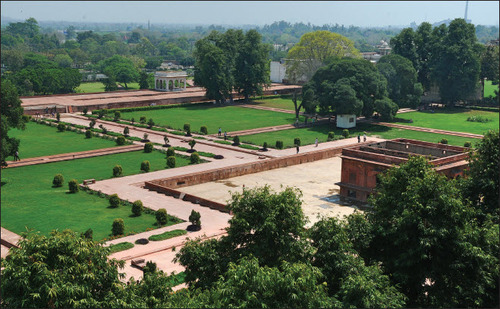
Key aspects of Mughal garden architecture:
- Persian Influence:
Mughal gardens, particularly the charbagh (four-part garden), were heavily influenced by Persian garden design, aiming to create a paradise on Earth.
- Symbolism:
Mughal gardens incorporated symbolism related to the Quranic concept of Paradise, such as four rivers represented by water channels and eight-part divisions symbolized by octagonal pools.
- Botanical Exchange:
These gardens were not just aesthetically pleasing but also served as spaces for cultivating a variety of plants, including fruits, flowers, and medicinal plants.
- Formal Layout:
Mughal gardens were characterized by their formal layouts, with terraces, precise divisions, and intricate water features like canals and fountains.
- Integration with Architecture:
Gardens were integrated with pavilions and mausoleums, creating harmonious settings for various activities and reflecting the Mughal aesthetic.
- Influence on Later Designs:
Mughal garden design influenced later architectural styles and landscape design.
12.Justice Department of MUGHALS
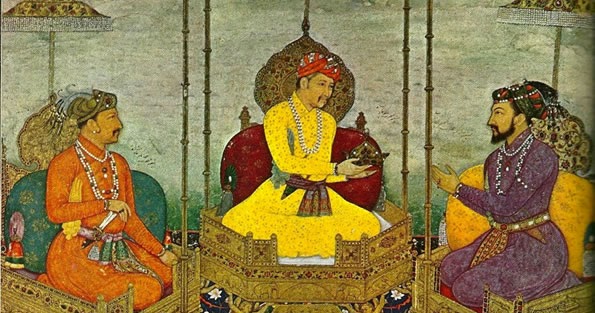
The Mughals established a dedicated department, Mahakuma-e Adalat, to administer justice, which attracted European travelers due to the fairness of the Mughal courts. The Mughal administration of justice was a blend of Islamic law and indigenous practices, with the emperor at the apex of the judicial system. The Mughals established a separate department, Mahakma-e-Adalat, to oversee justice and had a hierarchical court system with varying jurisdictions. Emperors like Jahangir were known for their commitment to justice, with Jahangir famously installing a “chain of justice” for direct access to the throne.
A Hypothetical image:
1. Islamic Law and Indigenous Practices:
- The Mughal administration of justice was influenced by Islamic law (Sharia) and incorporated elements of Persian and Arabic legal traditions.
- However, they also adapted and integrated local customs and practices, creating a unique blend.
- was The Qazi a key judicial official, responsible for interpreting and applying Islamic law.
- Hierarchical Court System:
- The Mughal empire had a structured court system, with different levels of courts for various cases.
- At the top was the emperor, who served as the final court of appeal and dispensed justice directly.
- Higher officials like subahdars, faujdars, and kotwals also held judicial authority and could hear appeals from lower courts.
- Local courts, often presided over by qazis, handled civil, criminal, and revenue cases at the pargana and village levels.
- Emperor’s Role in Justice:
- Mughal emperors were considered the “fountain of justice” and were ultimately responsible for ensuring fair and impartial administration.
- Some emperors, like Jahangir, were particularly known for their accessibility and attempts to bypass bureaucratic hurdles.
- Jahangir’s “chain of justice” was a symbolic representation of his commitment to providing direct access to justice for all subjects.
- Specific Institutions and Officials:
- The Muhtasib was an official with various duties, including public prosecutor, overseeing weights and measures, and inspecting public spaces.
- The Diwan-i-Mazalim was another judicial body that dealt with complaints against officials.
- Challenges and Limitations:
- While the Mughals strived for justice, the system was not without its challenges. The quality of justice could vary depending on the local officials and the emperor’s personal inclinations.
- Corruption and inefficiency could hinder the smooth functioning of the judicial system.
In essence, the Mughal administration of justice was a complex and evolving system that reflected both Islamic legal principles and local Indian traditions. The emperors played a crucial role in upholding justice, and their commitment to fairness, while not always perfectly realized, shaped the legal landscape of the Mughal empire.
13.Architectural Achievements of MUGHALS
The Mughal Empire left behind a rich legacy of architectural wonders, including the Taj Mahal, Red Fort, and Fatehpur Sikri.
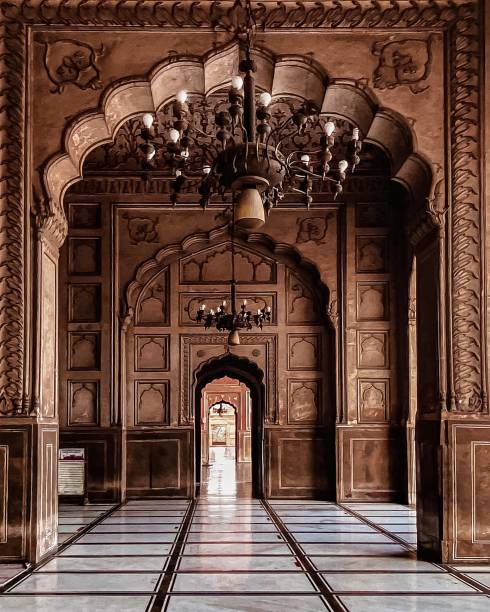
Mughal architecture, a blend of Islamic, Persian, and Indian styles, is renowned for its grandeur, symmetry, and intricate ornamentation. Key features include bulbous domes, slender minarets, massive gateways, and the use of red sandstone and white marble. Notable examples include the Taj Mahal, Agra Fort, Red Fort, and Fatehpur Sikri.
An example of it:
- Blend of Styles:
Mughal architecture incorporated elements from Islamic, Persian, and Indian architectural traditions.
- Symmetry and Geometry:
Buildings were often designed with a high degree of symmetry and geometric patterns.
- Bulbous Domes and Minarets:
Prominent bulbous domes and slender minarets were common architectural features.
- Intricate Ornamentation:
Mughal buildings were adorned with elaborate calligraphy, arabesque, and geometric patterns.
- Use of Materials:
Red sandstone and white marble were frequently used as building materials.
- Gardens and Water Features:
Charbagh gardens, with their symmetrical layouts and water channels, were a distinctive element.
Examples of Mughal Architectural Achievements:
- Taj Mahal:
Considered the pinnacle of Mughal architecture, the Taj Mahal is a white marble mausoleum built by Shah Jahan in memory of his wife, Mumtaz Mahal.
- Agra Fort:
- massive fort built by Akbar, it showcases Mughal military architecture and includes palaces, mosques, and other structures.
- Red Fort (Delhi):
Another impressive fort, built by Shah Jahan, featuring red sandstone walls and intricate Mughal design.
- Fatehpur Sikri:
- planned city built by Akbar, featuring a complex of palaces, mosques, and other buildings.
- Humayun’s Tomb:
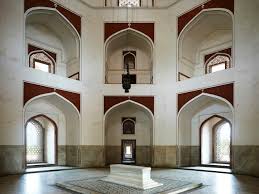
- precursor to the Taj Mahal, this tomb is known for its symmetrical design and use of white marble. IT looks like:
- Shalimar Gardens:
Mughal gardens, known for their symmetrical layouts, water channels, and pavilions, were often associated with palaces and tombs.
- Wazir Khan Mosque:
- beautiful mosque in Lahore, notable for its intricate tile work and calligraphy.
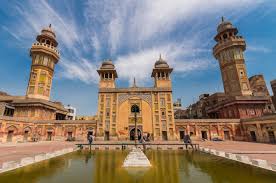
IT is image of wazir khan masjid
14.Mughal Gardens:
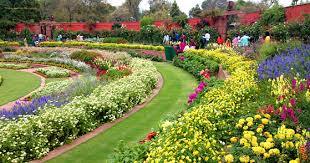
The Mughal gardens, with their intricate designs and water features, were not just for recreation but also symbolized power and facilitated botanical exchange.
Mughal gardens are a distinctive type of garden developed during the Mughal Empire, known for their formal, symmetrical layouts and strong emphasis on water features, drawing inspiration from Persian gardens. They often employ the char bagh structure, dividing the garden into four quadrants, and are designed to be earthly representations of paradise. These gardens, found in present-day India, Pakistan, and Afghanistan, were not just aesthetic spaces but also integral to Mughal life and culture, reflecting the empire’s power and artistic sensibilities.
Key Characteristics of Mughal Gardens:
- Formal Layouts:
Mughal gardens are characterized by their geometric, rectangular designs, often divided into quadrants by walkways and water channels.
- Water Features:
Water is a central element, with canals, pools, and fountains used to create a sense of tranquility and to reflect the surrounding structures.
- Geometric Symmetry:
The gardens are meticulously planned with a strong emphasis on symmetry, creating a sense of balance and harmony.
- Paradise Imagery:
Mughal gardens are designed to evoke the Islamic concept of paradise, with lush vegetation, fragrant flowers, and flowing water.
- Building Integration:
Gardens were often integrated with other Mughal structures like tombs, palaces, and pavilions, creating a seamless blend of architecture and landscape. Examples of Mughal Gardens:
- Shalimar Gardens (Lahore):
A UNESCO World Heritage site, renowned for its terraced layout and intricate waterworks.
- Humayun’s Tomb Garden (Delhi):
Features a classic char bagh design and is considered a precursor to the Taj Mahal’s garden.
- Taj Mahal Garden (Agra):
While the garden is now a more formal English-style lawn, it was originally designed in the Mughal style.
- Wah Gardens (Pakistan):
Also known as Mughal Garden Wah, it is a historical garden with a strong Mughal influence.
Historical Context:
- Babur, the Founder:
The Mughal Emperor Babur, who founded the Mughal Empire, was the first to establish gardens in the Mughal style.
- Imperial Patronage:
Mughal emperors and their families were major patrons of garden construction, commissioning gardens across their vast empire.
- Influence on Landscape Architecture:
Mughal gardens have had a lasting impact on landscape architecture and are often cited in introductory texts on world architecture
15.. Multiple Imperial Capitals:
The Mughals weren’t tied to a single capital. They shifted power between Agra, Delhi, Lahore, and Fatehpur Sikri, sometimes due to political needs, other times for ideological reasons or even simply because of the cost of maintaining a new capital.
The Mughal Empire had multiple imperial capitals throughout its rule, including Agra, Delhi, Lahore, and Fatehpur Sikri. The seat of power shifted between these cities at different times, reflecting the empire’s dynamic nature.
Here’s a more detailed look:
- Agra:
Served as a capital city during the reigns of Babur, Akbar, Jahangir, and Shah Jahan.
- Delhi:
Became a capital under Akbar and later Shah Jahan, who established Shahjahanabad (Old Delhi).
- Lahore:
Was a significant capital during Akbar’s reign and later under Jahangir.
- Fatehpur Sikri:
A short-lived capital established by Akbar, known for its unique architectural style and planned city.
The shifting of capitals was often linked to the emperor’s preferences, strategic considerations, or administrative needs. For example, Akbar moved the capital to Fatehpur Sikri to consolidate his rule and create a new imperial center. Later, Shah Jahan moved the capital back to Delhi, building Shahjahanabad as a grand new city.