10 Most dangerous Islands in the world
The world is full of beautiful islands, but not all of them are paradise.
Some islands are so dangerous that stepping onto their shores can mean facing deadly wildlife, extreme weather, toxic gases, or even forbidden military zones.
From snake-infested jungles to radioactive wastelands, these islands hold mysteries, risks, and stories that most travelers will never dare to explore.
In this blog, we dive into the 10 most dangerous islands in the world — and uncover what makes them so deadly.
1. Ilha da Queimada Grande (Snake Island) – Brazil
Why it’s the most dangerous
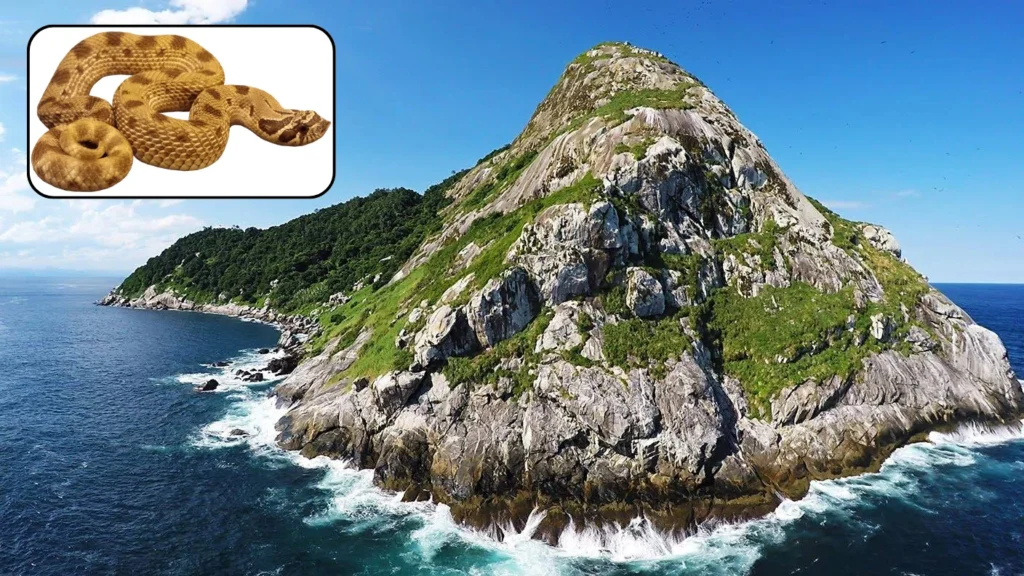
Home to 2,000–4,000 golden lancehead vipers, one of the world’s deadliest snakes.
Their venom can melt human flesh and kill in hours.
Snake density
Up to 5 snakes per square meter in some areas.
Access
Completely off-limits to the public.
Only the Brazilian Navy and a few approved scientists are allowed (with doctors on standby).
Deaths
The last recorded civilian deaths were fishermen who washed ashore decades ago.
2. North Sentinel Island – Andaman Islands, India
Why it’s dangerous
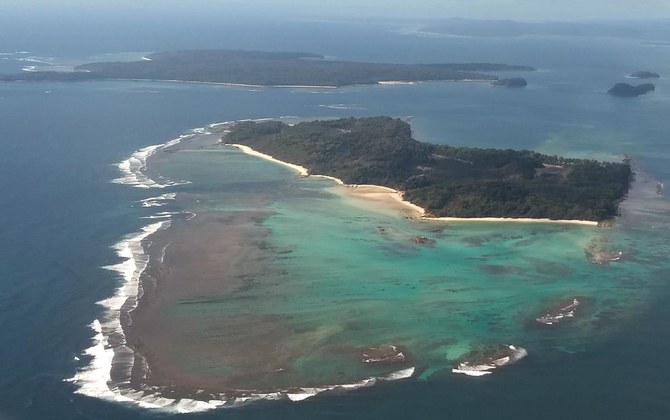
Inhabited by the Sentinelese, one of the last uncontacted tribes on Earth. They violently reject all outsiders.
Notable incident
In 2018, American missionary John Allen Chau was killed by arrows after illegally landing.
Access
Protected by the Indian government with a 5-nautical-mile exclusion zone.
Anyone approaching risks being killed.
3. Bikini Atoll – Marshall Islands
Why it’s dangerous
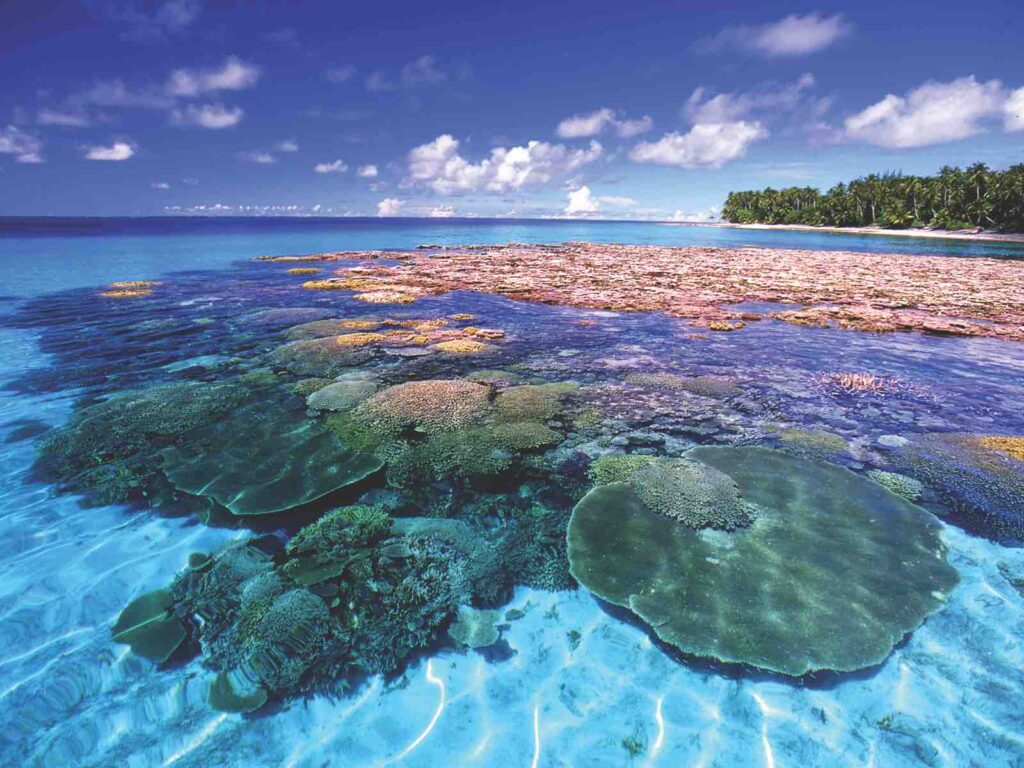
Site of 23 U.S. nuclear tests (1946–1958), including the Castle Bravo H-bomb (1,000 times stronger than Hiroshima).
Radiation
Still highly radioactive in some areas (especially in the sediment). Coconut crabs concentrate plutonium.
4. Gruinard Island – Scotland
Why it’s dangerous
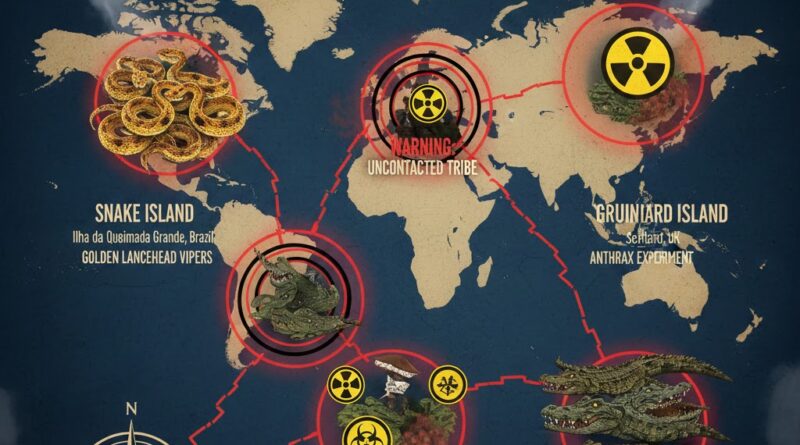
Used by the UK in WWII to test anthrax bombs.
The soil was so contaminated it was quarantined until 1990.
- Status: Officially decontaminated, but many still avoid it.
5. Ramree Island – Myanmar (historical danger)
Why it’s infamous
During WWII (1945), hundreds of Japanese soldiers were reportedly eaten by saltwater crocodiles while fleeing through swamps.
Note: The crocodile massacre story is debated (some say exaggerated), but the island still has one of the densest crocodile populations.
6.Surtsey – Iceland
Why dangerous
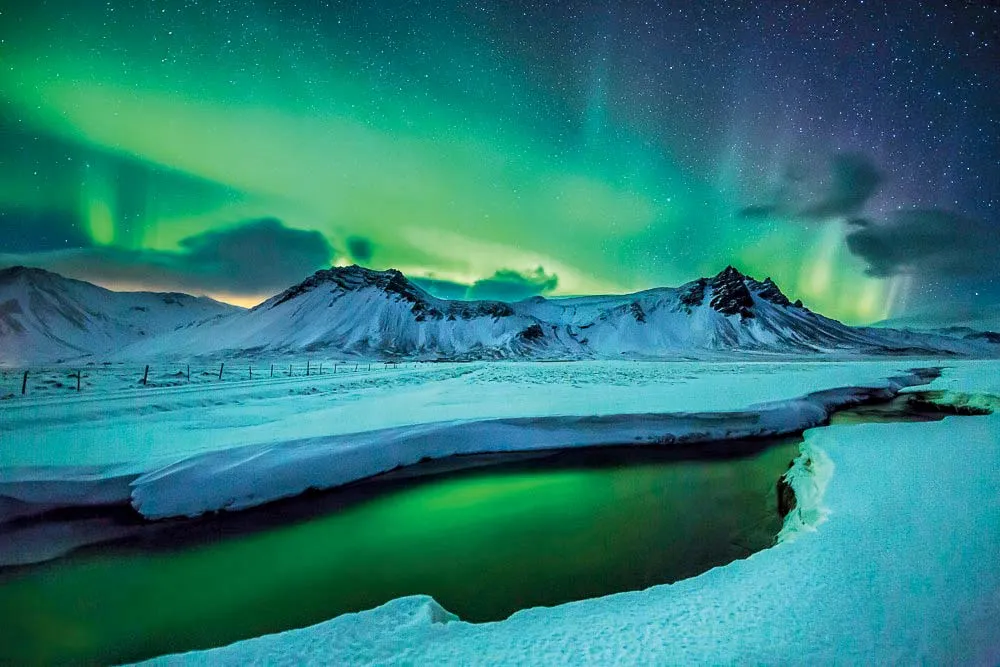
A volcanic island born in 1963, still geologically active and fragile.
Real danger
Sudden eruptions, toxic gases, and unstable ground.
Access
One of the strictest bans on Earth—only a handful of scientists are ever allowed, and they must be sterilized (clothes, equipment, even bowel movements checked) to protect the pristine ecosystem.
Civilians who land can be arrested.
7.Miyake-jima – Japan (Izu Islands)
Why dangerous
The volcano Oyama constantly emits extremely high levels of sulfur dioxide (often >20 ppm—lethal after a few minutes).
Rules
Every resident and visitor must carry a gas mask at all times. Sirens warn when poison-gas levels spike
Tourism exists, but you literally breathe poison air—many people get sick after a few hours.
8.Diego Garcia – British Indian Ocean Territory
Why dangerous
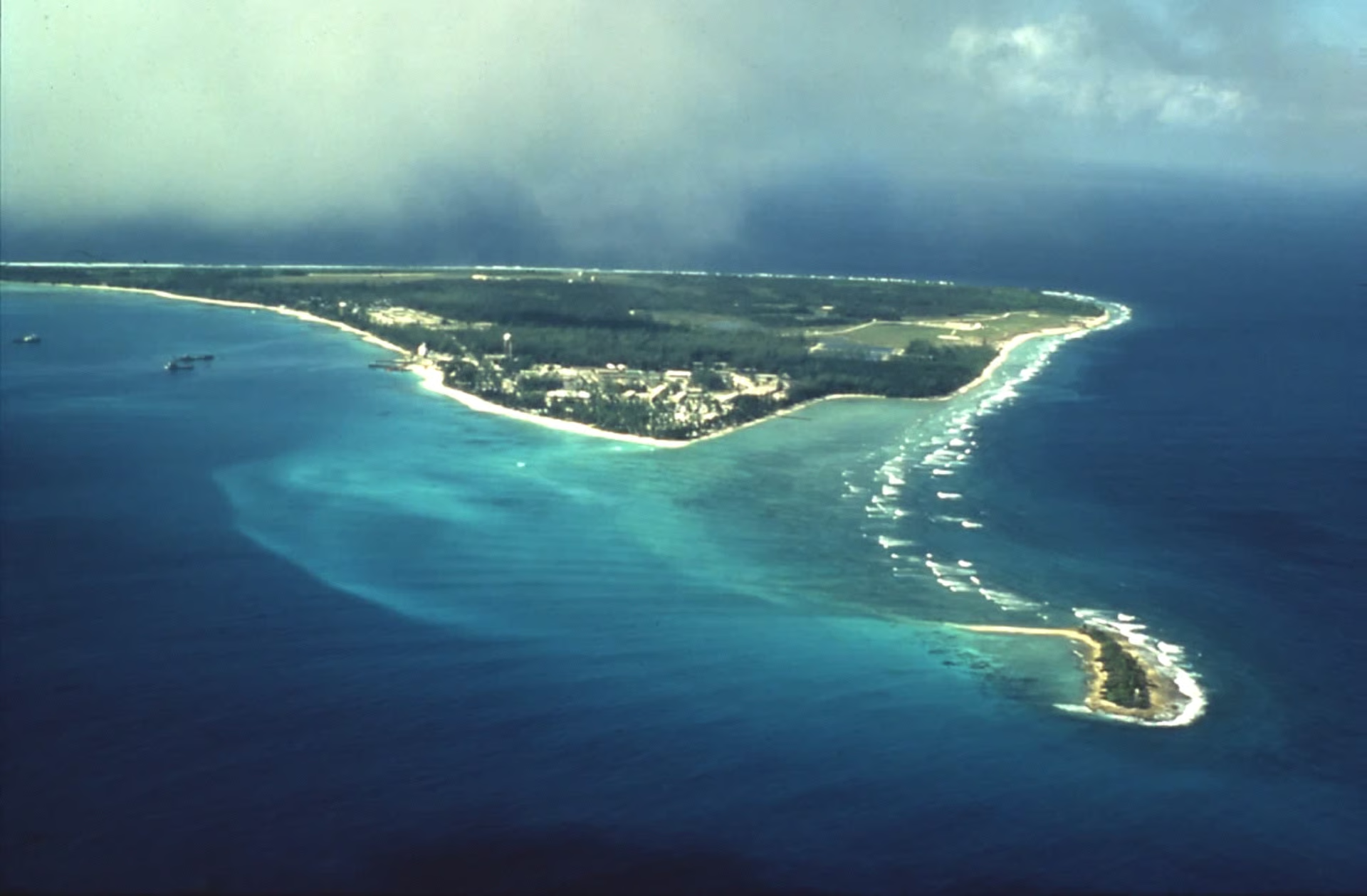
Massive U.S./UK military base (key for bombing runs in the Middle East).
Access
Completely forbidden to civilians.
The original inhabitants (Chagossians) were forcibly deported in the 1960s–70s and are still not allowed back.
If you sail near it, you’ll be intercepted by warships.
9.Vozrozhdeniya Island (Rebirth Island) – Aral Sea (now Uzbekistan/Kazakhstan)
Why dangerous
Former Soviet biological weapons testing site.
They tested anthrax, plague, brucellosis, tularemia, and smallpox here.
Status
In the 1990s the U.S. helped clean up tons of buried anthrax spores, but traces almost certainly remain in the soil.
The island is now connected to the mainland because the Aral Sea dried up—people sometimes wander in and get very sick.
10.Powell Island / Lake Nyos area
Why dangerous
The lake is a limnic eruption time bomb—saturated with dissolved CO₂. In 1986 it suddenly released a 100-meter-high cloud of carbon dioxide that killed 1,746 people and thousands of animals in minutes.
The small island in the center sits directly above the magma chamber that recharges the CO₂. Scientists installed degassing pipes, but another eruption is still possible.